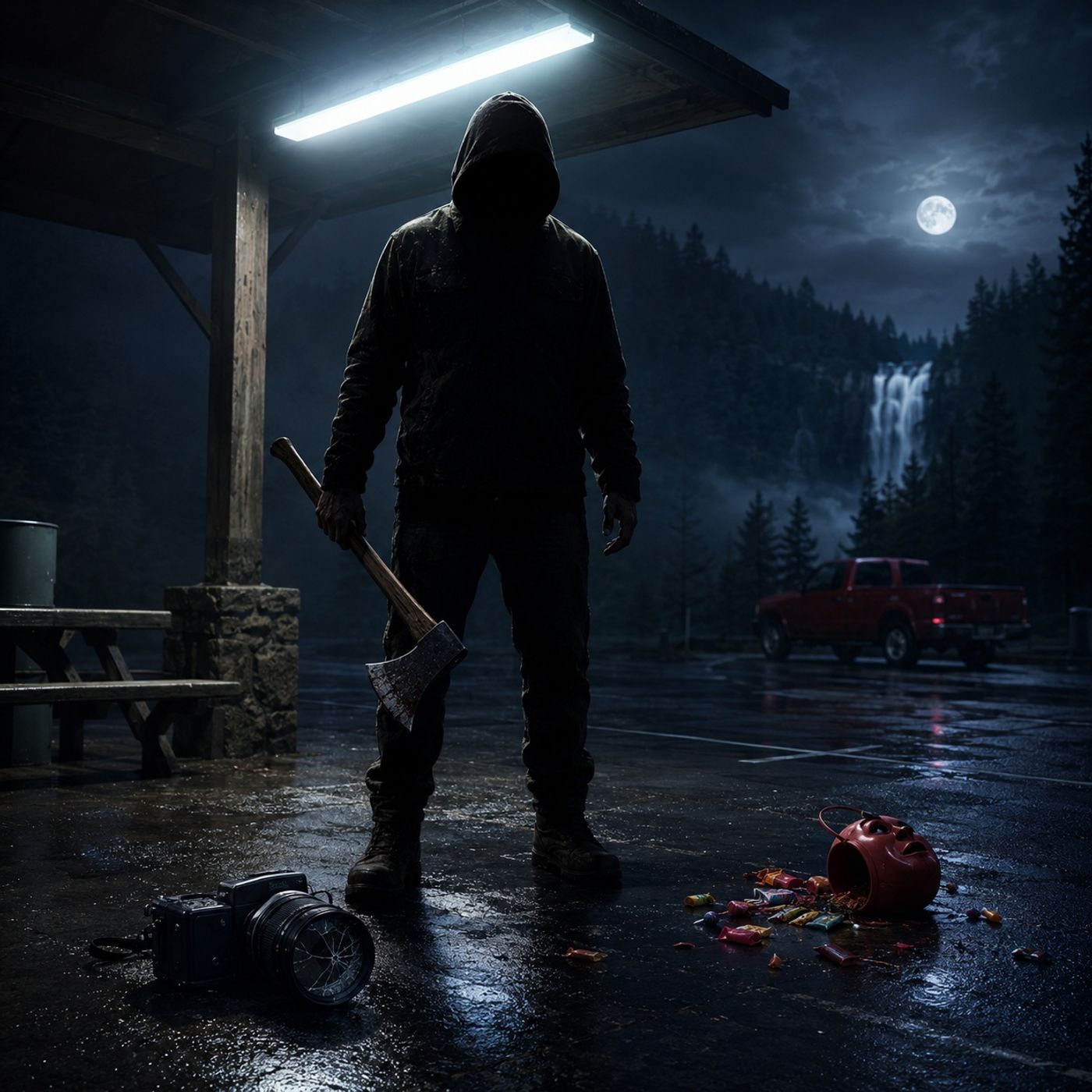
Mastering Evasion: How to Escape Predatory Encounters in the Wilderness
When the rustle in the bushes isn't just the wind, and the feeling of being watched turns into a chilling certainty, knowing how to evade is paramount. This guide focuses on essential evasion tactics for predatory encounters, inspired by harrowing tales of survival. Learn how to slip away when danger lurks.
Key Takeaways
- Understanding predator movement patterns to anticipate their approach.
- The importance of misdirection and leaving false trails.
- Utilizing natural camouflage and environmental cover for concealment.
- Silent movement techniques to avoid detection.
- Recognizing escape routes and blind spots.
- The psychological advantage of controlled movement and stillness.
Understanding the Predator's Mindset for Evasion
The core of successful evasion lies in thinking like your potential threat. Predators, whether human or animal, rely on senses and behaviors that can be anticipated. In scenarios like those hinted at in Weekly Spooky's "Cannibals & Cursed Ground," where isolation is a key element, the predator's advantage is often their familiarity with the terrain and their patience. To counter this, you must shift your perspective from victim to strategist. Instead of focusing on confrontation, focus on disappearing. This requires understanding their likely hunting patterns: they often seek the easiest prey, meaning those who are isolated, distracted, or unaware. By observing the environment for signs of recent activity – broken branches, unusual tracks, disturbed foliage – you can gain insight into where a predator might be, and more importantly, where they are not. This knowledge allows you to plot a course away from their immediate vicinity. The goal is not to outrun them in a chase, but to prevent the chase from ever beginning by making yourself an unappealing or impossible target.
The Art of Becoming Invisible: Camouflage and Concealment
The wilderness offers a natural advantage for those who know how to use it: concealment. When faced with the immediate threat of a predatory encounter, your first instinct might be to run. However, if you are in close proximity to a predator, immediate flight can alert them to your presence and trigger a pursuit. Instead, prioritize blending in. This means utilizing natural camouflage and environmental cover. Look for dense undergrowth, large rock formations, or fallen logs that can break up your silhouette and hide you from view. Even the shadows cast by trees can become your allies. The key is to remain as still as possible, minimizing any movement that might draw attention. Think about how prey animals behave when they sense danger; they often freeze, relying on their natural coloration to blend with their surroundings. While you may not have the natural camouflage of a deer or a rabbit, you can adapt. If you are wearing bright clothing, try to find a darker, more subdued area to remain in. If you have a backpack or other gear, use it to create a more natural shape or to cover your exposed form.
The stories within "Cannibals & Cursed Ground" often feature protagonists who are caught in open or exposed areas. The lesson here is stark: open spaces are hunting grounds. If you find yourself in such an environment and suspect you are being stalked, your immediate goal should be to reach the nearest cover. This could be a treeline, a rocky outcrop, or even a ditch. Once under cover, the focus shifts from rapid movement to silent observation and stillness. The aim is to become a part of the landscape, making yourself virtually invisible to the hunter. This tactic is particularly effective against predators that rely heavily on sight to locate their prey. If they cannot see you, they cannot hunt you effectively. The psychological aspect of this is also crucial; by controlling your own panic and remaining still, you deny the predator the visual confirmation they need to initiate an attack.
Silent Movement and Misdirection to Throw Off Pursuit
When evasion is necessary and concealment is no longer an option, silent movement becomes your next critical skill. This isn't about speed; it's about stealth. If you've been detected or need to move from one hiding place to another, doing so quietly is essential. The crunch of leaves underfoot or the snap of a twig can betray your location instantly. Practice moving with deliberate slowness, placing your weight carefully and stepping on softer ground whenever possible. Avoid stepping on dry leaves or twigs. If you must cross noisy terrain, try to find a way around it or time your movements with natural sounds, such as the wind or the calls of birds, which can mask your own noises. This is a tactic honed by survivalists and is crucial for anyone facing predatory encounters, especially in dense wilderness settings.
Beyond silent movement, misdirection can be a powerful tool. If you know you are being followed, consider creating a false trail. This can involve deliberately leaving a few noticeable, but ultimately misleading, tracks or dropped items in one direction while you move stealthily in another. For instance, a set of footprints leading off a trail into a dense thicket might draw a predator's attention away from your actual path of escape. This requires careful consideration of the terrain and the likely intelligence of your pursuer. The objective is to divert their attention and buy yourself precious time to get further away and seek a safer location or help. Remember, the goal is to break the predator's line of pursuit and make yourself a difficult target to track effectively.
Finding Escape Routes and Blind Spots
A crucial element of any evasion strategy is the constant assessment of your surroundings for potential escape routes and the predator's blind spots. Even the most adept hunters have areas where their vision is limited or where they are less likely to expect prey to move. These might include dense brush that is difficult for a larger predator to navigate, sharp inclines, or areas with poor visibility. As you move, or even when you are concealed, scan your environment for these opportunities. A steep, overgrown ravine might seem impassable, but it could be your best route to safety if your pursuer cannot easily follow. Similarly, identifying the predator's blind spots – areas they don't typically look or where their senses are less effective – can allow you to maneuver closer to them for a better escape path without being detected.
Consider the scenarios in "Cannibals & Cursed Ground" where characters are cornered or surprised. Their lack of foresight regarding escape routes is often their downfall. By actively looking for these paths – a game trail that leads away from the main path, a gap in the treeline, or even a cave or overhang that offers temporary refuge – you significantly increase your chances of survival. These are not just physical routes; they are mental advantages. Knowing you have a way out, even if you don't immediately take it, can boost your confidence and help you remain calm under pressure. The most effective evasion is not necessarily the fastest, but the one that utilizes the environment to your greatest advantage, making you disappear into the landscape itself.
For more chilling tales and practical survival insights, be sure to listen to the full episode "Cannibals & Cursed Ground" on Weekly Spooky. Listen Here.
Frequently Asked Questions
- What is the most important factor in evading a predator?
- The most important factor is remaining calm and using your environment for concealment and misdirection, rather than panicking and attempting a direct flight that could alert the predator.
- How can I use natural camouflage effectively?
- Utilize dense foliage, shadows, and natural terrain features to break up your silhouette. Move slowly and minimize movement, much like prey animals do.
- What should I do if I believe I am being followed?
- First, try to remain calm and assess if your feeling is based on concrete signs. If so, attempt to move silently towards cover. If direct evasion is necessary, consider creating a false trail to misdirect the pursuer.
- Are blind spots always physical locations?
- Blind spots can be physical, such as areas with limited visibility, but they can also be psychological, like an area a predator might not expect prey to venture into, or a moment when their attention is focused elsewhere.
- How can I practice silent movement?
- Practice moving slowly and deliberately in natural environments, focusing on foot placement and listening for sounds you make. Try to move in sync with ambient environmental noises.