WEBVTT
1
00:00:01.120 --> 00:00:04.879
Deep in the frozen wilderness. The legend of the Wendigo
2
00:00:05.080 --> 00:00:09.320
haunts those who dare to listen. From Algonquin folklore to
3
00:00:09.400 --> 00:00:15.279
real life horror, this terrifying creature symbolizes greed, starvation, and
4
00:00:15.400 --> 00:00:19.640
the darkest depths of human nature. Tonight we dive into
5
00:00:19.640 --> 00:00:23.879
the origins of the Wendigo, myth, true paces of Wendigo psychosis,
6
00:00:24.239 --> 00:00:27.120
and how this monstrous legend continues to terrify.
7
00:00:28.640 --> 00:00:32.840
What you were about to titu is spur to bene
8
00:00:34.479 --> 00:00:42.200
Based on witness accounts, testimonies, and public record, this is
9
00:00:44.000 --> 00:00:46.719
terrifying and truth.
10
00:00:53.600 --> 00:00:58.520
As winter comes and the weather turns frigid, human imagination
11
00:00:58.960 --> 00:01:03.840
tends to wander to dark depths, where the trees whisper
12
00:01:03.960 --> 00:01:08.959
secrets and the wind howls like a starving beast. That's
13
00:01:09.000 --> 00:01:13.480
where a legend begins to lurk. It's older than the
14
00:01:13.519 --> 00:01:17.239
first snowfall, older than the bones buried beneath the ice.
15
00:01:17.920 --> 00:01:22.079
The Algonquin tribes spoke of it in hushed tones, a
16
00:01:22.159 --> 00:01:27.239
cursed creature with an insatiable hunger, a monster that was
17
00:01:27.280 --> 00:01:30.640
once a man. They say, if you hear your name
18
00:01:31.519 --> 00:01:35.879
carried on the wind, it's already to layry dag, Well,
19
00:01:35.959 --> 00:01:39.120
that's not a good sign. After this break, we're gonna
20
00:01:39.159 --> 00:01:41.599
dive deep into the story of what happens when greed
21
00:01:41.680 --> 00:01:57.640
takes hold and hunger never ends. In the vast, snow
22
00:01:57.760 --> 00:02:02.599
covered wilderness of North America, a dark and haunting legend
23
00:02:03.000 --> 00:02:08.840
took shape among the Algonquians speaking peoples. The wendigo, a
24
00:02:08.919 --> 00:02:14.280
creature born from greed and insatiable hunger, served as both
25
00:02:14.319 --> 00:02:19.439
a warning and a reflection of humanity's darkest impulses. With
26
00:02:19.520 --> 00:02:24.120
its emaciated frame and ravenous appetite, the wendigo was said
27
00:02:24.159 --> 00:02:28.240
to consume not only flesh, but the very essence of
28
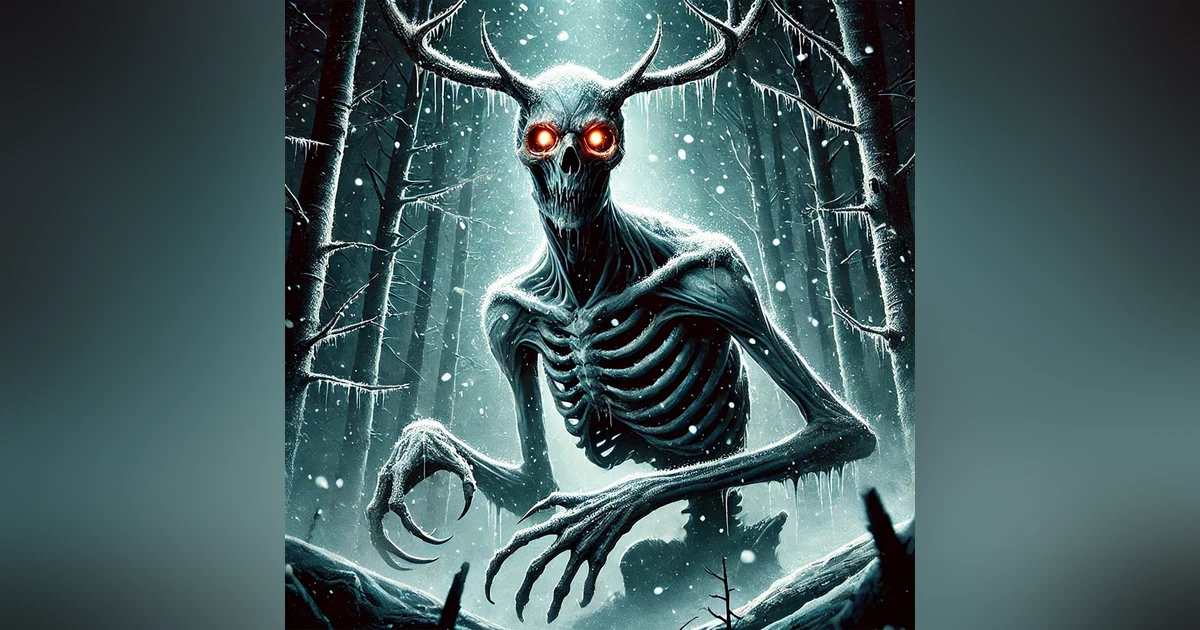
00:02:28.400 --> 00:02:34.960
balance and harmony, leaving destruction in its wake. But the
29
00:02:35.000 --> 00:02:38.800
wendigo is more than just a monstrous figure of folklore.
30
00:02:39.599 --> 00:02:46.520
Over time, it is transformed into a powerful metaphor, representing individuals, ideology,
31
00:02:46.879 --> 00:02:53.319
and forces corrupted by unrestrained greed and selfishness. Its shadow
32
00:02:53.439 --> 00:02:59.479
looms large in stories of colonialism, environmental degradation, and even
33
00:02:59.520 --> 00:03:05.719
the explos of communities for personal gain. From traditional indigenous
34
00:03:05.759 --> 00:03:11.080
tales to modern interpretations in literature, film, and gaming, the
35
00:03:11.120 --> 00:03:17.719
wendigo continues to captivate and terrify its symbolic resonance persists
36
00:03:18.039 --> 00:03:22.280
a chilling reminder of what can happen when humanity's desires
37
00:03:22.439 --> 00:03:28.039
grow unchecked. The Wendigo's story forces us to confront uncomfortable
38
00:03:28.080 --> 00:03:33.199
truths about human nature, asking the question where does the
39
00:03:33.240 --> 00:03:39.759
line between survival and greed blur and what happens when
40
00:03:39.759 --> 00:03:45.520
that line is crossed. The word wendigo has its roots
41
00:03:45.520 --> 00:03:50.919
in Algonquin languages and translates to terms such as evil
42
00:03:51.080 --> 00:03:57.039
spirit or solely for self. This term is significant across
43
00:03:57.080 --> 00:04:03.599
several Native American languages, including Audibly, Creed, and Salto. The
44
00:04:03.639 --> 00:04:08.520
wendigo is a supernatural being central to the spiritual traditions
45
00:04:08.560 --> 00:04:13.520
of Algonquin speaking First nations in North America. Described as
46
00:04:13.560 --> 00:04:17.319
a powerful and malevolent creature, the wendigo is infamous for
47
00:04:17.360 --> 00:04:24.160
its unquenchable desire to kill and devour human beings. Legends
48
00:04:24.279 --> 00:04:30.079
suggest that humans can transform into wendigoes, typically due to greed, weakness,
49
00:04:30.360 --> 00:04:36.480
or moral corruption. This transformation underscores the cautionary aspect of
50
00:04:36.560 --> 00:04:40.319
the wendigo as a symbol of what happens when individuals
51
00:04:40.319 --> 00:04:47.560
prioritize selfish desires over communal values. The Wendigo's existence within
52
00:04:47.639 --> 00:04:52.199
these stories highlights the dangers of greed and the devastating
53
00:04:52.279 --> 00:04:57.319
consequences it can bring to individuals and communities alike. It
54
00:04:57.439 --> 00:05:02.279
is a vivid metaphor for the diruction wrought by unrestrained
55
00:05:02.759 --> 00:05:08.759
human flaws. The wendigo is universally regarded as a dangerous
56
00:05:08.920 --> 00:05:14.439
and sinister force within Algonquin cultures. Indigenous traditions describe it
57
00:05:14.759 --> 00:05:18.279
as not only a threat to individual lives, but also
58
00:05:18.399 --> 00:05:23.399
to the moral and spiritual health of entire communities. The
59
00:05:23.439 --> 00:05:26.759
creature is said to have a thirst for blood and
60
00:05:26.839 --> 00:05:32.399
an ability to corrupt those it encounters, spreading evil and destruction.
61
00:05:33.439 --> 00:05:37.560
Its presence serves as a potent warning about the consequences
62
00:05:37.560 --> 00:05:41.519
of isolation and the loss of humanity when greed and
63
00:05:41.639 --> 00:05:47.360
selfishness are allowed to take hold. Embedded within Wendigo legends
64
00:05:47.800 --> 00:05:51.720
is the theme of caution against isolation and the breakdown
65
00:05:51.759 --> 00:05:56.399
of community. These tales emphasize the importance of unity and
66
00:05:56.560 --> 00:06:02.040
collective well being, warning against behaviours that disrupt social harmony.
67
00:06:03.160 --> 00:06:08.759
By embodying the extreme consequences of selfishness, the Wendigo reinforces
68
00:06:08.800 --> 00:06:14.160
the need for balance and mutual support. The wendigo is
69
00:06:14.199 --> 00:06:17.959
a prominent figure in the belief systems of various Algonquins
70
00:06:18.040 --> 00:06:23.399
speaking groups. While cultural nuances in the creature's description exist,
71
00:06:24.240 --> 00:06:27.560
there is a shared understanding of the wendigo as a
72
00:06:27.639 --> 00:06:34.079
malevolent and cannibalistic supernatural being. This shared depiction reflects common
73
00:06:34.199 --> 00:06:39.519
values and moral principles across these diverse cultures, uniting them
74
00:06:39.560 --> 00:06:45.399
through the universal warnings embedded in the folklore. Often associated
75
00:06:45.439 --> 00:06:52.199
with harsh conditions, the wendigo is closely tied to the north, winter, cold, famine,
76
00:06:52.720 --> 00:06:58.480
and starvation. These elements highlight the environmental challenges faced by
77
00:06:58.519 --> 00:07:02.920
the communities where the legend originated, adding another layer of
78
00:07:03.040 --> 00:07:08.360
meaning to the fable. The wendigo becomes a symbol of
79
00:07:08.480 --> 00:07:15.519
desperation and survival in extreme circumstances, intertwining natural and supernatural
80
00:07:15.560 --> 00:07:21.319
elements to create a powerful narrative. Basil H. Johnson, an
81
00:07:21.360 --> 00:07:27.879
Ojibwe teacher and scholar from Ontario, Canada, vividly described the Wendigo.
82
00:07:28.079 --> 00:07:33.040
According to Johnson, the creature's appearance reflects its monstrous nature.
83
00:07:33.759 --> 00:07:38.639
It is gaunt and emaciated, with ash gray skin stretched
84
00:07:38.680 --> 00:07:43.759
tightly over its bones, and deeply sunken eyes. Despite its
85
00:07:43.800 --> 00:07:49.519
skeletal and starvation like form. The wendigo possesses an unrelenting appetite.
86
00:07:50.079 --> 00:07:54.480
Every time it consumes a victim, it grows larger in size,
87
00:07:54.720 --> 00:08:00.360
ensuring its hunger is never satisfied. This haunting combination of
88
00:08:00.360 --> 00:08:06.199
insatiable hunger and perpetual thinness illustrates the destructive nature of
89
00:08:06.319 --> 00:08:11.839
greed and excess. In various native accounts, wendigoes are often
90
00:08:11.920 --> 00:08:18.360
depicted as giants, vastly larger than human beings. These legends
91
00:08:18.399 --> 00:08:23.279
emphasize the creature's terrifying scale, which grows in proportion to
92
00:08:23.319 --> 00:08:30.000
the people it devours. This trait, unique to certain Algonquin traditions,
93
00:08:30.399 --> 00:08:35.080
symbolizes the endless cycle of greed. The more it consumes,
94
00:08:35.639 --> 00:08:40.360
the greater its need for sustenance. The wendigo is a
95
00:08:40.399 --> 00:08:45.759
relentless predator, forever seeking new victims and embodying an eternal
96
00:08:45.840 --> 00:08:51.279
state of gluttony and starvation. The Wendigo's connection to greed
97
00:08:51.480 --> 00:08:56.559
extends beyond its physical form. It is a creature that communicates,
98
00:08:56.600 --> 00:09:01.480
and in some depictions, retains human like lines, cognition, and speech.
99
00:09:02.480 --> 00:09:06.840
This ability allows it to taunt or threaten its victims,
100
00:09:06.879 --> 00:09:13.159
adding an eerie psychological element to its predatory nature. These stories,
101
00:09:13.240 --> 00:09:18.600
rooted in Algonquin oral history, predate European colonization and reveal
102
00:09:18.679 --> 00:09:23.200
the depth of belief in supernatural beings among indigenous cultures.
103
00:09:24.000 --> 00:09:26.879
The first written account of the wendigo by a European
104
00:09:27.320 --> 00:09:31.840
came from Jesuit missionary Jean Lejeune in sixteen thirty six
105
00:09:32.399 --> 00:09:36.279
in what is now Quebec. In his report, Lejeune described
106
00:09:36.320 --> 00:09:39.639
tales of a wendigo that had killed and eaten several
107
00:09:39.720 --> 00:09:45.519
people and was believed to have plans to devour many more.
108
00:09:52.600 --> 00:09:57.919
Lejeune's account highlights the shared belief in supernatural spirits between
109
00:09:58.039 --> 00:10:04.159
seventeenth century Europeans and First Nations peoples. Interestingly, his report,
110
00:10:04.519 --> 00:10:09.240
written decades before the Salem witch trials, underscores how deeply
111
00:10:09.279 --> 00:10:13.200
embedded these beliefs were in both cultures at the time.
112
00:10:14.120 --> 00:10:18.879
Missionaries in Canada continued to document wendigo legends well into
113
00:10:18.919 --> 00:10:23.279
the twentieth century, demonstrating the enduring presence of these tales
114
00:10:23.600 --> 00:10:28.639
within indigenous and colonial narratives. The wendigo legend remained a
115
00:10:28.679 --> 00:10:35.879
focal point for discussions of morality, spirituality, and survival across centuries.
116
00:10:36.799 --> 00:10:40.480
In the nineteenth century, tales of the Wendigo spread to
117
00:10:40.559 --> 00:10:46.039
the western frontier, where Plains, Indigenous peoples, and Hudson's Bay
118
00:10:46.159 --> 00:10:52.919
Company employees encountered the legend. HBC records recount indigenous spiritual
119
00:10:53.080 --> 00:10:57.960
leaders who fell into states of intense religious fervor, leading
120
00:10:58.000 --> 00:11:05.200
to accusations of being Wendigoes. Community members often reacted with fear,
121
00:11:05.840 --> 00:11:12.679
and in extreme cases, took drastic measures. Suspected Wendigoes were
122
00:11:12.720 --> 00:11:18.320
sometimes killed as a precaution, reflecting the seriousness with which
123
00:11:18.399 --> 00:11:23.919
these beliefs were held. One notable example involved the Kree
124
00:11:24.080 --> 00:11:28.519
spiritual leader, a Bishopus, who was killed by three men
125
00:11:29.080 --> 00:11:34.120
after he became greedy and murdered an indigenous family. This
126
00:11:34.240 --> 00:11:38.399
act led his community to believe he had transformed into
127
00:11:38.440 --> 00:11:43.960
a Wendigo. Such stories highlight the intersection of spiritual beliefs
128
00:11:44.120 --> 00:11:49.039
and real life consequences, demonstrating the profound influence of the
129
00:11:49.039 --> 00:11:55.960
Wendigo legend and shaping cultural practices and community dynamics. One
130
00:11:55.960 --> 00:11:59.759
of the most haunting tales of the Wendigo documented by
131
00:11:59.840 --> 00:12:04.279
life body Chicagua Marsden, an ethnographer of the Chippewas of
132
00:12:04.360 --> 00:12:08.399
Rama First Nation, tells of a young boy abducted by
133
00:12:08.440 --> 00:12:13.440
this fearsome creature. The wendigo, driven by its insatiable hunger,
134
00:12:14.080 --> 00:12:19.960
planned to fatten the boy up before devouring him. Using
135
00:12:20.000 --> 00:12:24.080
a knife, The wendigo cruelly cut the boy's hand to
136
00:12:24.240 --> 00:12:28.200
test if he had gained enough fat, but constant travel
137
00:12:29.000 --> 00:12:33.440
kept the boy thin. When they stumbled upon a nearby village,
138
00:12:33.720 --> 00:12:37.399
the boy seized his chance to warn the locals about
139
00:12:37.399 --> 00:12:42.799
the monster lurking in the woods. The villagers, guided by
140
00:12:42.840 --> 00:12:49.679
the boy's courage, confronted the wendigo, cutting off its legs. However,
141
00:12:49.799 --> 00:12:54.639
the creature's horrifying resilience was revealed as it began consuming
142
00:12:54.720 --> 00:12:59.200
the marrow from its own severed limbs in order to
143
00:12:59.240 --> 00:13:05.720
sustain its lind The villagers returned and ultimately destroyed the wendigo,
144
00:13:06.159 --> 00:13:10.600
ending its terror, but leaving behind a tale of morbid
145
00:13:10.679 --> 00:13:18.159
endurance and a truly unyielding hunger. Some Algonquin traditions claim
146
00:13:18.240 --> 00:13:22.159
that a person consumed by greed or who resorts to
147
00:13:22.240 --> 00:13:27.480
cannibalism transforms into a wendigo, while others suggest that mere
148
00:13:27.600 --> 00:13:32.240
prolonged exposure to a wendigo's influence can cause the same
149
00:13:32.720 --> 00:13:39.240
horrific fate. These stories go beyond supernatural folklore. They serve
150
00:13:39.320 --> 00:13:45.039
as moral lessons, emphasizing the importance of balance, community and
151
00:13:45.200 --> 00:13:52.639
resisting the darker impulses of humanity, Especially in times of hardship.
152
00:13:53.080 --> 00:13:57.240
Rituals and ceremonies played a significant role in addressing the
153
00:13:57.240 --> 00:14:03.759
fear of the Wendigo among certain Indigenos communities. For the Asinebuana, Cree,
154
00:14:03.799 --> 00:14:09.679
and Ojibwe peoples, the Windigo khan zimoen, a ceremonial dance
155
00:14:09.799 --> 00:14:13.879
performed during times of famine, was a striking display of
156
00:14:13.960 --> 00:14:19.799
cultural resilience. Dancers would dawn masks and move backward around
157
00:14:19.840 --> 00:14:25.440
a drum, creating an eerie yet symbolic representation of the
158
00:14:25.480 --> 00:14:31.240
Wendigos taboo. These performances served as both a reminder and
159
00:14:31.320 --> 00:14:38.799
a communal reinforcement of survival strategies during dire circumstances. The
160
00:14:38.919 --> 00:14:43.200
last recorded ceremony took place at Lake Wendigo on Star
161
00:14:43.320 --> 00:14:49.320
Island within Minnesota's Leech Lake Indian Reservation, representing the enduring
162
00:14:49.440 --> 00:14:55.120
presence of this myth in Algonquin culture. The phenomenon of
163
00:14:55.200 --> 00:15:01.679
Wendigo psychosis bridges the realm of folklore and historical acc Allegedly,
164
00:15:01.840 --> 00:15:07.440
during extreme starvation individuals could succumb to a condition that
165
00:15:07.559 --> 00:15:12.879
drove them to crave human flesh. A famous Jesuit account
166
00:15:13.000 --> 00:15:18.559
from the seventeenth century describes individuals overtaken by this ravenous hunger,
167
00:15:19.039 --> 00:15:23.559
attacking and consuming others in their community. The only solution,
168
00:15:23.759 --> 00:15:28.600
as understood by those witnessing such events, was often execution
169
00:15:29.440 --> 00:15:35.320
to stop the spreading of madness. Cree traditions, however, were
170
00:15:35.440 --> 00:15:40.320
count efforts to treat the condition, involving rituals using fatty
171
00:15:40.399 --> 00:15:45.480
animal meats, and a symbolic purging process where afflicted individuals
172
00:15:45.519 --> 00:15:50.279
would expel ice believed to signify the wendigo's icy grip,
173
00:15:50.879 --> 00:15:56.279
leaving their bodies. One of the most infamous true cases
174
00:15:56.840 --> 00:16:02.240
tied to wendigo psychosis is that of swift Runner, a
175
00:16:02.360 --> 00:16:06.639
Cree trapper in Alberta. During the winter of eighteen seventy eight,
176
00:16:07.519 --> 00:16:13.200
as his family faced starvation, swift Runner's eldest son died.
177
00:16:14.559 --> 00:16:17.919
Rather than seeking help from a food supply post just
178
00:16:18.000 --> 00:16:23.799
twenty five miles away, he succumbed to cannibalism, killing and
179
00:16:23.919 --> 00:16:29.720
consuming his wife and remaining children. Authorities determined this was
180
00:16:29.799 --> 00:16:35.440
not mere survival cannibalism, but evidence of a man consumed
181
00:16:35.559 --> 00:16:41.080
by wendigo psychosis. Swift Runner confessed to his crimes and
182
00:16:41.279 --> 00:16:45.600
was executed at Fort Saskatchewan. His story remains one of
183
00:16:45.679 --> 00:16:50.519
the most harrowing intersections of myth and documented history. The
184
00:16:50.639 --> 00:16:55.320
concept of wendigo psychosis has sparked heated debates among scholars
185
00:16:55.320 --> 00:16:58.639
and researchers. Some view it as a product of cultural
186
00:16:58.679 --> 00:17:04.160
misunderstanding by early anthropologists, while others argue it reflects genuine
187
00:17:04.279 --> 00:17:09.960
historical events shaped by extreme conditions. Today, the International Statistical
188
00:17:10.000 --> 00:17:15.640
Classification of Diseases or ICD, recognizes wendigo as a culture
189
00:17:15.680 --> 00:17:20.440
specific syndrome, describing it as a rare obsession with cannibalism,
190
00:17:20.839 --> 00:17:26.519
marked by delusions and uncontrollable hunger. Modern studies suggest it
191
00:17:26.559 --> 00:17:31.319
could be linked to starvation induced mental disorders, nutrient deficiencies,
192
00:17:31.519 --> 00:17:37.559
or social isolation ojibwei. Scholar Brady Dusanti suggests the wendigo
193
00:17:37.759 --> 00:17:42.359
represents a person disconnected from harmony, causing harm to their
194
00:17:42.480 --> 00:17:50.200
environment and relationships. Luis Eerdrich's novel The Roundhouse exemplifies this concept,
195
00:17:50.680 --> 00:17:54.799
depicting a rapist whose actions endanger his community as a
196
00:17:54.799 --> 00:17:59.799
Wendigo like figure who must be stopped. This concept is
197
00:17:59.799 --> 00:18:04.920
extends to movements as well as ideologies. Professor Chris Schidler
198
00:18:05.200 --> 00:18:11.079
compares the Wendigo to colonialism, emphasizing how expansionism devastated indigenous
199
00:18:11.160 --> 00:18:16.200
lands and disrupted natural balance. The nineteen ninety nine film
200
00:18:16.279 --> 00:18:21.519
Ravenous illustrates this, linking the Wendigo to manifest destiny, where
201
00:18:21.640 --> 00:18:26.839
unmitigated hunger for land and resources led to widespread destruction.
202
00:18:27.640 --> 00:18:31.480
In this context, the wendigo becomes a symbol for forces
203
00:18:31.799 --> 00:18:36.200
that exploit and harm others under the guise of progress.
204
00:18:37.000 --> 00:18:42.039
The metaphor also applies universally, addressing broader patterns of greed
205
00:18:42.079 --> 00:18:47.359
and exploitation. Joe Lockhart, an English professor, describes the Wendigo
206
00:18:47.400 --> 00:18:52.440
as a manifestation of social cannibalism, where self interest overrides
207
00:18:52.480 --> 00:18:58.119
communal values. Romantic scholar Emily Zarka ties the wendigo to
208
00:18:58.200 --> 00:19:04.799
winter hunger and selfishness, themes central to survival in harsh climates.
209
00:19:05.599 --> 00:19:10.119
The creature embodies the consequences of succumbing to selfish instincts,
210
00:19:10.160 --> 00:19:15.680
reflecting the struggles of maintaining balance and adversity. In popular culture,
211
00:19:16.079 --> 00:19:20.640
the wendigo has been reshaped, often losing its cultural context.
212
00:19:21.279 --> 00:19:26.000
Algernon Blackwood's nineteen ten novella The Wendigo introduced it to
213
00:19:26.119 --> 00:19:31.720
Western audiences, but altered its meaning, portraying it through colonial stereotypes.
214
00:19:32.079 --> 00:19:36.799
Subsequent works like Stephen King's Pet Cemetery and August Derrilith's
215
00:19:37.039 --> 00:19:42.519
Ithiqua further disconnected it from Indigenous roots, focusing on horror
216
00:19:43.119 --> 00:19:48.279
over tradition. In recent years, Indigenous creators have reclaimed the
217
00:19:48.319 --> 00:19:52.839
Wendigo's narrative, using it to address themes of colonialism, greed,
218
00:19:52.960 --> 00:19:58.200
and identity. Works like Linda Hogan's Solar Storms and Nathan
219
00:19:58.240 --> 00:20:04.160
Adler's Wrist integrate the legend into critiques of exploitation and loss.
220
00:20:04.759 --> 00:20:09.079
In media like Antlers and Fallout seventy six, the Wendigo
221
00:20:09.160 --> 00:20:14.039
appears as a monstrous antagonist, often divorced from its deeper meaning.
222
00:20:14.799 --> 00:20:19.680
Despite this evolution, the Wendigo remains a powerful symbol, reminding
223
00:20:19.759 --> 00:20:24.279
us of the consequences of our actions, even when we're desperate.
224
00:20:25.440 --> 00:20:29.079
The legend of the Wendigo leaves behind a haunting legacy
225
00:20:29.599 --> 00:20:35.480
of fear and introspection. While its roots lie in Indigenous folklore,
226
00:20:35.880 --> 00:20:40.000
the Wendigo has grown to symbolize so much more. Its
227
00:20:40.039 --> 00:20:45.480
haunting presence has transcended its mythical origins, becoming a metaphor
228
00:20:46.160 --> 00:20:50.440
for all of the darkest aspects of human nature and
229
00:20:50.519 --> 00:20:55.559
societal exploitation. The Wendigo serves as a stark reminder of
230
00:20:55.599 --> 00:20:59.880
the cost of consuming more than we need and disrupting
231
00:21:00.079 --> 00:21:05.079
the harmony of the world around us. The enduring fascination
232
00:21:05.279 --> 00:21:09.680
with the Wendigo in popular culture reflects our collective struggle
233
00:21:10.079 --> 00:21:15.160
to understand and confront these darker impulses. But even as
234
00:21:15.240 --> 00:21:20.240
the creature continues to terrify and intrigue, it forces us
235
00:21:20.359 --> 00:21:26.119
to ask uncomfortable questions. What happens when greed consumes us?
236
00:21:26.920 --> 00:21:30.799
How far can we push the boundaries before the balance
237
00:21:30.920 --> 00:21:35.920
is broken forever? The story of the Wendigo remains a
238
00:21:36.039 --> 00:21:40.839
powerful warning, a symbol of the monsters that can emerge
239
00:21:41.359 --> 00:21:47.200
not only in the shadows of legend, but from within ourselves.
240
00:21:49.559 --> 00:21:53.559
Terrifying and True is narrated by Enrique Kuta. Its executive
241
00:21:53.559 --> 00:21:57.640
produced by Rob Fields, Mark Shields and Babletopia dot Com.
242
00:21:57.799 --> 00:22:01.279
It's produced by Dan Wilder with the original music by



 Apple Podcasts
 Spotify
 Spreaker
 Audible
 Castro
 RSS Feed