


 Apple Podcasts

 Spotify

 Spreaker

 Audible

 Castro

 RSS Feed
Terrifying & True | Ghostwatch: The BBC Halloween Hoax and Its Real Fallout
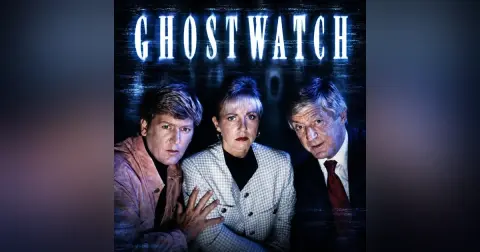
Ghostwatch put a fictional haunting inside the familiar frame of BBC television. On Halloween night in 1992, Michael Parkinson and Sarah Greene helped a scripted drama look like a live ghost hunt. Some viewers believed it. The backlash was real. Explore the hidden appearances of Pipes, the broadcast's unnerving tricks, and the argument over trust that followed. Original program audio and BBC Bite Back excerpts bring the scare and its contemporary criticism into focus. How did a made-up ghost leave viewers questioning the safety of their own living rooms?
We're telling that story tonight.
Bonus episodes & support: https://weeklyspooky.com/join
More scary stories: https://weeklyspooky.com/
Story submissions: WeeklySpooky@gmail.com
0:00 Halloween night, 1991. Millions tuned in to watch the BBC investigate a haunted house. Then the broadcast suggested the ghost could reach them, too. It was scripted, but the frightened calls were real. Just how did a television drama make home feel like danger? What you are about to hear is believed to be real. Based on witness accounts, testimonies, and public record, this is Terrifying and True Truth.
0:55 Tonight, Michael Parkinson is looking at an autocue. that should tell him how to end the program. Instead, it's becoming part of the nightmare. On screen, the studio is losing control. Sarah Green has been investigating a house where two children say something lives beneath the stairs. Now the danger appears to have followed the television signal back to the people covering the story. It's Halloween night, 1992. BBC One is showing Ghostwatch, a scripted drama made to resemble a live investigation.
1:45 The haunted family is fictional. The familiar presenters are playing themselves. For some viewers, those familiar faces make the distinction between difficult to hold on to. When the credits arrive, the argument is only beginning. Frightened and angry viewers contact the BBC. The filmmakers defend their choices. A ghost invented for one evening becomes a controversy that lasts far beyond it. How did a program turn the reassuring habits of television into a reason to distrust the screen. And why do people who know exactly how it was made still find themselves checking the curtains? Tonight, we're returning to the broadcast, its makers, and the audience caught between a fictional haunting and a very real reaction. Not since War of the Worlds has something so Intense infected the public that was pure and admitted fiction. Make sure you're subscribed on your favorite podcast app so you never miss a bit of the spooky or the terrifying and true. Now, we're telling that story tonight.
3:33 Sarah Green arrives at a council house on Fox Hill Drive with a camera crew and a practical assignment. Meet the family, look at the evidence, find out what has been making the noises. Outside, Craig Charles works the Halloween crowd. Inside, a mother named Pamela Early is raising her daughters, Suzanne and Kim. in rooms that have become the subject of newspaper stories. The family says something has moved in with them. The younger girl calls it pipes. Back in the studio, Michael Parkinson is ready to ask the sensible questions. This is how Ghostwatch introduces its investigation on BBC One, beginning at 9.25, on Saturday, October 31st, 1992. The film runs 91 minutes. Its haunted family is invented, its threatening presence is invented, and the program was recorded in advance. What makes this a true story is what happened when the BBC sent that fiction into real homes. First, though, there's the house. It offers very little of the scenery that
5:07 usually gives an audience permission to enjoy being frightened. No ruined abbey separates Pamela's life from ordinary life. There's no inherited mansion with a wing that nobody uses. Her daughters share a bedroom. The Pamela originally tries to explain the disturbances through something a parent might actually blame. The plumbing. That explanation gives Pipes his name. It sounds like something a child could say at breakfast without making the adults stop eating. Before long, it becomes the household's name for a presence nobody can explain away. Sarah listens to Pamela and talks to the girls. She is an unusually effective person to send into this particular house. Viewers know her from Blue Peter and Going Live, programs associated with children and family viewing. She can speak to a frightened child without making the conversation feel like an interrogation. She also brings a small, unspoken reassurance. Here is someone who normally
6:37 helps television remain friendly. Her warmth follows her upstairs. That is more important than any announcement that a fictional reporter is brave. The children are played by real sisters, Michelle and Cherise Wesson. Pamela is played by the actor... Breed Brennan. Without the film, however, nobody introduces them as performers. Sarah uses their characters' names and approaches the visit as a job she's doing that evening. Parkinson appears under his own name, too.
7:20 He has the composure of a veteran interviewer, with a skeptical remark available whenever the supernatural claim becomes true. Too grand. He can listen without appearing convinced. His presence allows viewers to keep their doubts and stay with the investigation. The studio is equipped to help. Monitors carry pictures from the house. A parapsychologist, Dr. Lynn Pascoe, presents the research she says has gathered. Mike Smith manages the phonem. Operators and equipment give Parkinson somewhere to turn when a question requires another piece of information. Smith is Sarah Green's real-life husband. For now, that fact belongs comfortably to the program's familiar faces. He's in the studio, she is on location, and television routinely connects people working in different places. The distance does not yet seem threatening. Outside, Charles supplies a different kind of comfort.
8:36 He can joke with the crowd, find someone to interview and fill the time while the studio prepares its next item. Children in costumes and neighbors curious about the cameras make Fox Hill Drive feel like a street hosting a television event. The house still has a world around it. The program keeps moving between these places. A question travels from the studio to the house. An answer comes back. A presenter waits a little too long for a link. A conversation wanders.
9:17 Those small inconveniences are recognizable to anyone who watches live television. They make the investigation feel as though it has to negotiate the evening while the evening is happening. In 1992, that was a powerful impression. Satellite and cable existed, but much of Britain's shared television life still moved through four terrestrial channels. A scheduled program could gather millions at once. There was no social feed alongside the picture, offering... instant explanations from viewers who had already searched for the answer.
10:06 The program locates Foxhill Drive in Northolt, London. Pamela has tried to sell the house, but without success. That detail gives the BBC visit another purpose. If the family could simply leave the building behind, it would not need a national television investigation to come through the door. The BBC had also called it drama. The Radio Times described a Halloween drama and named its makers. BBC One introduced it within the Screen One drama strand. A writing credit identifies Stephen Volk. The film did not arrive secretly in the news schedule, but the opening passed and Sarah remained in the house. A viewer switching on afterward would find a recognizable broadcaster talking to a family about a problem. A child could recognize Sarah long before knowing what Screen 1 even meant. Someone who understood the framing could still settle into the pleasure of following a convincing investigation. That is where Ghostwatch begins tightening its hold. It gives the audience a job. Listen to Pamela. Examine Pascoe's material. Decide whether
11:38 Parkinson is right to doubt it. Keep an eye on the rooms while the presenters talk. The house has already attracted attention before the BBC arrives. Pamela disputes the way the newspapers have described her family. Research tapes promise something more dependable than a lurid headline. The cameras appear to offer a chance to look for ourselves. Then the tour reaches the space the family has tried to close off. Under the stairs is a cupboard. with its door boarded shut. In the program, the family uses an older British term for such an interesting storage space, a glory hole. The name is less important than the boards. This is a place inside their own home that they no longer treat as ordinary storage. Kim says Pipes lives there. The camera can show us the door. Pamela has to explain what happened on the other side. Pamela's account takes the investigation into the cupboard without opening it. Sarah is listening in the same house, with the sealed space still nearby and
13:11 the children available to questions. Pamela describes an earlier incident when she became trapped inside. She struck the door. Kim called out that pipes had arrived. Then Pamela tells Sarah why being locked in was only part of the terror. The thing is, when I was in there, I swear as God's my witness, I felt this man in there with me. and breathing right up against my face, like strong, like rotten cabbage. I nearly died.
13:53 Now the opening is sealed, but the family still has to walk past it. The staircase remains part of the daily route through the house. Sarah and the crew have brought equipment, lights, and witnesses. None of those things changes where the cupboard is. Pascoe has been investigating the early family for months within the story. She brings recordings and photographs into the studio, giving the night's activity a history. There are earlier claims to compare against anything the new cameras happen to catch. A local television interview shows Kim talking about pipes. Newspaper clippings put the family into print.
14:45 one photograph appears to show the girls suspended above their beds. It recalls an image from the real Enfield Poltergeist case, beginning in 1977, claims from another North London council house, centered on a mother and her children, with knocking, moving objects, and a girl said to speak in a rough male voice. Investigators and skeptics disagreed about the evidence, including incidents associated with trickery. That disputed case supplied a model for Ghostwatch.
15:27 The fictional Early family was not the Enfield family under new names, and the film established nothing paranormal about the real case. What it borrowed was a troubling situation. Ordinary domestic life becoming a spectacle while outsiders argued over whether the people inside were telling the truth. The resemblance gives Pamela's newspaper clippings an uncomfortable weight. Public attention has not solved her family's problem. It's just given strangers the ability to judge her. Sarah can ask a sympathetic question while the same camera carries Pamela into another round of scrutiny.
16:16 Parkinson keeps asking what the material proves. Pascoe sees a pattern. He wants a convincing example. A skeptical expert, Dr. Emilio Silvestri, joins by satellite from New York and challenges her conclusions. There's room in this investigation for someone who thinks the haunting is Nonsense. Then there's someone near the bedroom curtain. The picture does not stop to introduce him. A pale human shape occupies the edge of a room where the camera's attention belongs elsewhere. It could be missed completely. It could catch the eye just before the picture moves away.
17:06 The program allows that moment to remain unsettled If you notice the shape, you have something to wait for. An acknowledgement from Sarah. A question from Parkinson. A reason for a man to be standing there. The presenters continue. Calls eventually bring the sighting into the studio. People watching, the program tells us, have seen a figure. Parkinson and Pascoe examine the pictures again. Here, surely, is the useful part of having everything on tape. Go back. Find the right moment.
17:51 Show everyone what was there. The second look refuses to settle it. On the replay, the figure is gone. The studio's uncertainty leaves the original glimpse hanging over the next scene. Anyone who saw it has to decide whether the experts missed something or whether there was nothing to see. This is where director Leslie Manning's choice of videotape earns its keep. The image has the softness and practical limitations associated with contemporary television. It does not offer a beautifully lit monster.
18:40 for inspection. A face at the limit of the picture can dissolve into fabric or noise before the eye finishes its work. That roughness was deliberate. Manning came from the BBC's film department, but she wanted Ghostwatch to resemble factual television. Shooting it like a conventional movie would have warned the audience with every frame how to interpret it. On tape, a badly placed camera could look like an unfortunate limitation of the investigation. Now viewers have a reason to search those limitations. A corner that seemed unimportant becomes worth watching.
19:29 The curtain remains in the room even when somebody mentions it. Sarah can be asking a perfectly sensible question. while the audience examines the space behind her. Then the equipment catches something much easier to explain. Banging. starts upstairs. Sarah prepares to investigate. The closed circuit views reveal Suzanne getting out of bed and Pasco discovering that the girl has been striking the pipes herself. For a moment, the cameras work exactly As promised, they find the hidden action behind the frightening sound. There's a person making the noise, and that person is one of the children whose experiences the adults have been trying to explain. Parkinson can relax into his skepticism.
20:31 Pascoe has a much more awkward evening ahead. Whatever else she believes has happened, She now has to account for the incident the program has just exposed. The revelation changes how the audience watches Suzanne. It also creates a problem that cannot be solved by staring at her face. One-stage disturbance is evidence about that disturbance. Does it explain the other claims? Has she been making all of the noises? Why produce a trick while cameras are watching? The film doesn't need to answer every question. An exposed fake has already given doubt something solid to hold on to. The viewer who has been resisting the ghost can enjoy a little vindication. The viewer who saw the figure has to fit that glimpse around the new evidence. And Sarah is still upstairs with the children. There's no triumphal departure, no crew packing the cameras away because the evening has become pointless.
21:52 The investigation continues. The cupboard stays boarded. The bedroom still contains places a camera cannot show clearly. Sounds of cats begin troubling the people in the house. They cannot locate the animals that ought to be making them. Later, Suzanne is found unconscious with marks across her face. The child caught making the noise has become the child the adults need to help. Reasonable doubt gave everyone a way to feel safer. The next picture takes that comfort away. The sounds have no convenient source. Sarah and the crew can hear the cats, but finding where the noise comes from proves harder than finding Suzanne at the pipes. The cameras now have an injured child to show Concern for her competes with the investigation's original purpose. A few minutes earlier, catching somebody making a noise seemed like progress. Now establishing exactly what happened is less urgent than keeping the girls safe. Outside,
23:28 the street interviews grow darker. Neighbors describe violence and disappearances associated with the area. A local spiritualist tells of an unsuccessful attempt to help the family. The Halloween crowd is still there, but its chatter no longer supplies the same light relief. Each account adds another piece to a story the presenters cannot finish assembling. Someone knows something about the house. Someone has heard another version. a voice reaches the studio before anyone can go and check its claims. The film's callers have been scripted and recorded, of course. They're actors contributing to the plot, not people interrupting the finished production.
24:25 Alongside transmission, however, a real BBC telephone service is operating. Viewers can use the familiar number on their screens to reach a message explaining the fiction and leave ghost stories of their own. Those two systems sit remarkably close together. Inside the film, a caller may know the missing name. Outside it, a viewer may be dialing because the same room has just supplied a shadow nobody seems able to explain. From the sofa, the telephone appears to offer a way into the investigation. It also gives the story a way to make a revelation without looking as though it was arranged.
25:19 A caller can hesitate, wander through an account, or remember something the expert doesn't know. Information seems to arrive because an ordinary person has decided that it matters. As the evening's calls gradually piece together the cupboard's history, one of the names that comes through is Raymond Tunstall. These details arrive in stages interrupted by the activity at the house. In the drama's invented history, Tunstall was a former resident and a convicted child abuser. He claimed that a dead woman's spirit could take him over. Her story also supplied through the calls, involved the deaths of children. Tunstall later died by suicide inside the cupboard, with cats trapped there beside his body. The sounds in the walls have acquired an explanation, and it is far worse than the noise.
26:28 Pipes begins to seem less like a single intruder with a name, and more like several ugly stories speaking through the same presence. The cupboard connects them. So do the children. Sarah entered the house to investigate disturbances. The information reaching the studio now places those disturbances inside a history of harm. The mythology's sensational associations belong to horror writing, not a diagnosis of a real person or evidence of possession. The callers have made the little boarded door much harder to dismiss.
27:15 The adults try to keep up. Parkinson has pictures and testimony arriving from different places. Pascoe has to interpret them. Sarah has to move through the house itself, where a decision can no longer wait for the studio to finish discussing it. That separation was meticulously constructed. Manning recorded the location material before the studio scenes. The presenters later watched prepared sequences and timed their responses so that images from another day seemed to have arrived seconds earlier. For one exchange, the production made the timing stranger still. Pamela was shown leaving the house for a mobile studio. Later, Brennan sat out of sight at the studio recording and answered the presenters there. The apparent distance between them had been invented, but they could react to one another's actual conversation. That method is important at this stage because the cast rarely looks as though everyone possesses the same script. Someone is always receiving information from somebody else. A presenter can misunderstand a situation without seeming foolish. The necessary picture simply hasn't
28:45 arrived yet. Manning also put working camera and sound personnel in front of the lens. When Sarah moves through a cramped room, the crew has to negotiate it with her. Bodies, cables, and equipment occupy space. There's no invisible observer floating ahead to obtain a perfect view of the threat. Small fixed cameras supply views from inside the rooms. The roving operator offers a different perspective, close to Sarah's movements. Switching between them can reveal something one observer missed or missed. leave the studio choosing between incomplete pictures. As the action becomes more dangerous, that physical limitation begins. to hurt. A camera can follow Sarah or search the space she's indicated. It cannot do both at once. A frightened response may register before the lens reaches whatever caused it. Turning toward a door means turning away from the people behind the operator.
30:01 A figure can occupy the picture without becoming the subject of the shot. Pipes has not confined himself to the curtain. The film places him at the edges of its action, where a viewer may notice something the people searching the house don't discuss. Looking for him becomes almost involuntary. It also means looking away from the people who need help. Then the disturbances stop leaving so much room for debate. A picture frame falls and breaks. Sarah glimpses someone behind a door, but the camera finds no one there when it turns. A mirror falls and strikes the sound recordist.
30:50 The crew is now involved, the people supposedly documenting the danger. have become vulnerable to it. Suzanne cowers behind furniture. When the adults try to reach her, the answer comes in the harsh voice associated with pipes. Suzanne, listen to me, Susie. Susie, can you hear me? Suzanne, do you hear me? Yes. Yes, get out. Get out if you don't want to be here. I don't care. You just mess things up. You mess everything up. I hate you.
31:31 The family's departure cannot happen cleanly. The house keeps supplying another problem before the last one can be resolved. Parkinson and Mike Smith receive fragments of that emergency while remaining unable to reach through the monitor and help. Then the pictures change. Sarah and the girls appear in the living room. The violent interruption seems to have passed. Everyone on the screen looks safer than they did a moment ago. For the first time in a while, the studio has something reassuring to watch. Pascoe keeps looking. There's something wrong with the calmer picture. An object broken during the disturbance is intact again. The room has recovered something it should have lost.
32:37 Sarah and the children may appear to be safe... but Pasco recognizes that the images are from earlier in the evening. The pictures have come back. The present has not. Until now, the studio could turn to the house... whenever it needed to know what was happening there. A bad angle was frustrating, but another camera might help. A disputed sighting could be replayed. Even an interrupted link belonged to a familiar category of television technical difficulties. This is different. The screen is offering an old moment as a new one. Sarah's reassuring presence...
33:24 no longer establishes where she is or whether anyone can reach her. Mike Smith has to watch his wife through that picture. He cannot step into the hallway, ask her what happened, or go looking for the girls. The film has left him in the place where the audience is sitting, close enough to see a familiar face, too far away to help it. Pascoe arrives at an explanation for the spreading disturbances. By bringing cameras into the early house and carrying its story into millions of homes, the program has assembled something it never intended to assemble. A national seance.
34:15 The viewer's attention has become part of the event. Calls have brought more voices into it. Television sets have carried the house into rooms across the country. In Pascoe's account, investigating pipes has increased his reach. The apparently helpful machinery has done the work of joining them together. Even a television set far from London belongs to the network Pascoe is describing. Getting the family out of the house will not, in her explanation... undo those connections. Reports of activity spread.
34:57 The studio's map no longer looks like a distant catalog of other people's experiences. Its growing reach becomes the scale of the problem. Pasco can describe what has happened, but an explanation does not provide a way to reverse it. The house is being evacuated. Pamela, Kim, and the injured sound recordist get out while Sarah keeps searching for Suzanne. The family that occupied the center of the investigation has been separated by the effort to escape it. Sarah cannot complete her part of that departure while a child remains missing.
35:42 The cupboard beneath the stairs has become the center of the emergency. And she goes toward it. The camera follows the search instead of joining the people leaving. The film keeps us inside with her. The audience has been carrying Pamela's account of that enclosed space since the beginning. Now the reporter who listened to it reaches into the cupboard herself. The door slams. Cats cry out on the soundtrack, The connection fails before the studio can establish what has happened to her. Sarah's disappearance leaves an absence that no other camera repairs. The program has used her warmth to make the house approachable. Without her, the people at the end of The Other Link have lost their guide as well as their colleague. Smith's wife is somewhere beyond the picture.
36:49 Then the studio begins to fail around him. Wind moves through the enclosed broadcasting space. Papers lift. Lights die. The monitors return fragments of the evening, but the people working among them are losing the ability to tell the audience what they are seeing. The room that has been explaining the house now needs an explanation of its own. Crew members disappear, into the darkness. Parkinson tries to continue. His composure has served the film for most of the evening. An observation, a skeptical question, a small joke while another item is being prepared. Those habits offer little help when there's nobody left to prepare the next item. He cannot even be certain which camera is working or whether an audience remains at the other end. He keeps describing the studio, trying to turn the failure into a report. The equipment is still around him, but the people who normally make it useful are gone. Every attempt to address the audience leaves him speaking into that uncertainty. He turns toward the autocue.
38:13 The teleprompter offers him a Familiar children's rhyme. A piece of equipment has finally given him something to say. He looks toward the waiting words. He begins to recite it. Round and round the garden, like a teddy bear. Tiffany's a story of a son of tissue. Viva! Viva! The trusted presenter is still facing the camera, but the voice now belongs to the threat the crew went looking for. Then, Ghostwatch ends. There is no rescue scene after the cupboard.
39:07 The film does not take Sarah outside, reunite her with Smith, or let Parkinson return with an explanation. Within its fiction, the final image is defeat. The investigation has carried the danger farther than the people conducting it understood. The credits roll. providing the cast and production information that belongs to a television drama. But they do not offer the emotional relief of seeing the endangered people step out of character together and take a bow. BBC continuity moves to Match of the day. That is an ordinary transition in the schedule.
39:56 After 91 minutes of invented catastrophe, football is next. Anyone who has been enjoying the program as a horror film can appreciate the audacity of leaving it there. For a viewer who still believes some part of the emergency, the change is imminent. harder to follow. A familiar reporter appears to be missing. The studio has apparently been overwhelmed. Now the same channel is discussing what comes next on television. The audience has no shared final moment in which Parkinson explains the trick. Every household has to make its own adjustment.
40:43 Some have already made it. Others are still working through what the ending has asked them to accept, and a telephone number has been available all evening. People begin trying to reach the BBC. The makers have finished their ghost story, but they're about to discover that the end of the film is not the end of the night's events. At a gathering in Chiswick, members of the cast and production team watched their finished work go out. Sarah Green's disappearance had been a performance. Parkinson's final transformation had been rehearsed.
41:34 The people responsible for the nightmare were together on the other side of it. The terrible voice had a thoroughly human source. Manning herself supplied pipes guttural sound after another Recording had failed to give her the effect she wanted. The people who made this ending knew exactly how it had been assembled. The audience receiving it had to find its way back without their company. Producer Ruth Baumgarten was elsewhere, monitoring the response from the BBC. Her absence left the gathering with a little distance from the audience it had just reached. For Stephen Volk, The night was the end of years of hard work. It had begun with a proposal sent to Baumgarten in 1988, a supernatural serial about an investigation of a contemporary haunted house. Conventional dramatic episodes would establish the characters and their own world. An apparent live broadcast would provide the climax. The BBC did not commit to that series. Baumgarten asked whether the idea could become one 90-minute film for Screen 1. Volk's solution was to build the whole thing around the broadcast that had originally belonged at the end. That decision removed the earlier
43:05 episodes in which an audience would have learned who the characters were. Viewers would enter directly into the special. Everything needed to make the family seem established had to be supplied inside it. The research footage, newspaper articles, interviews, and recollections of events that supposedly happened before the cameras arrived. Those artifacts gave the film a past. The broadcasters gave it a present. A broader proposal involving reports from around the country narrowed to one household. Manning helped make that concentration possible. Instead of introducing another location, whenever the drama needed to expand, the film could make the same staircase even more dangerous. Volk drew on television forms that already mixed reconstruction with factual presentation. Crime Watch and 999 brought recreated events into programs that associated with real people and real emergencies. Nigel Neal's The Stone Tape offered a ghost story in which technology helped shape the encounter. Infrared coverage from the Gulf War supplied another recognizable way of seeing through darkness. None of those ingredients required a viewer to
44:36 believe in ghosts. Only familiarity with television. The production could borrow a format the audience understood, then make something impossible happen inside. The national séance reached back to another of Volk's inspirations, the Canadian experiment in which a group invented a ghost called Philip, concentrated on his biography, and reported activity during séances. Whatever one makes of those disputed claims... their dramatic possibility is unsettling. People can gather around a story they created and begin to experience it as something outside of their control. Ghostwatch enlarged that idea until its circle of participants included everyone receiving the broadcast. There was practical work behind the ease of performance. Parkinson could read the opening from an autocue, but Manning wanted the more relaxed manner of his interviews for the studio exchanges. According to her later account, she encouraged him to work through the points he needed to make instead of waiting on exact lines. Jillian Beavan, playing Pascoe, had to respond to that freedom. Her scene partner might reach the required idea
46:07 without delivering the precise cue she expected. The exchange could remain faithful to the story while preserving a little uncertainty between the people speaking. That gave the skeptical interruptions a life a perfectly memorized argument might lack. Parkinson could tease Pascoe without sounding as though a screenwriter had assigned him the next skeptical sentence. Bevan could interrupt. defend the investigation while genuinely listening for where he was taking the conversation. Pipes required a different kind of performance. Keith Ferrari supplied the figure placed at the edge of the pictures. He could be present without receiving the close-up or introduction an actor normally expects. A small placement in a crowded image did more for the film than a long demonstration of what the ghost would look like. Manning later recalled planning 13 glimpses, though the final count remains disputed. Additional placements and editing can complicate the number. That uncertainty has become part of the film's appeal, but the practical principle was simple enough. Let the audience discover something the cameras, does not seem to be showing on purpose. Even the Halloween
47:39 setting involved a gamble. Volk later remembered that the transmission slot was not guaranteed while shooting was underway. Manning decorated the house for the holiday anyway. Pumpkins and apples on strings would look very different if the BBC postponed the film until December. The date held The final approach to transmission was still uneasy, though. According to the maker's later recollections, executives insisted that the drama framing and writing credit be clear. The resulting broadcast contained those signals. Its creators could point to the listing, the announcement, and the name of its writer.
48:27 They believed they had made a ghost story whose unusual form an audience would recognize and enjoy. Their expectations were also shaped by knowing every device from the inside. A hidden performer was someone booked for a day. A frightening voice was a recording. Sarah's disappearance was a sequence the crew had constructed. By the time a film is finished, its makers have lived with its explanations for months. The first audience receives the explanations and the allusions in a different order. At Chiswick, that difference was about to become visible.
49:13 Volk later recalled Baumgarten arriving with news that the BBC's telephone lines had jammed. In one account of the evening, he remembered initially laughing before realizing she was serious. The film had reached far beyond the room where the team was watching it. People were trying to get through to the institution whose presenters had They had just seen, threatened, and possibly worse. Whatever mixture of pleasure, outrage, and fear prompted those calls, it had exceeded what the production anticipated.
49:54 On November 15th, Sue Lawley introduced the controversy on the BBC's Bite Back. Her recap shows how quickly the telephone traffic had become part of the story. On Halloween night, it was Ghostwatch. It may seem laughable now that we know it was all a spoof, but on Saturday, October the 31st, thousands of people weren't so sure. It said it was live. It said it wanted to show us irrefutable proof that ghosts exist. And it gave us a telephone number to ring with our experiences of the paranormal. At one point, 20,000 people were trying to get through to the presenter, Michael Parkinson.
50:37 The people at the gathering could explain how every ghostly effect worked, but they were only beginning to find out what the effects had done after leaving their hands. An engaged telephone line gives very little information. It doesn't tell you why everybody else is calling. It can't say whether the woman you saw disappear is safely at home. It can't explain that the apparent studio disaster happened during a recording with a director deciding when to end the shot.
51:24 For viewers trying to get reassurance after Ghostwatch, that absence was deafening. The program had spent the evening inviting people to telephone, Its fictional callers had supplied observations, personal histories, and reports from other houses. A real viewer making the same gesture could meet a line that would not answer. The telephone service was meant to provide an explanation. Anyone who connected to the advertised operation could be told that the program was fiction and invited to leave a ghost store.
52:04 When the system was overwhelmed, that intended route, leaving the illusion behind, became unreliable. Inside the film, communications had failed as the haunting expanded. Outside it, too many people trying to use the communication system could prolong the uncertainty. No ghost was necessary to make the night's last coincidence unsettling. the volume became a story of its own. Later accounts offered increasingly dramatic numbers, sometimes collapsing at every attempted call, inquiry, response, and formal complaint into one enormous expression of terror. The contemporary categories were more revealing. On the November 4th edition of Points of View, Anne Robinson presented viewers' responses and the duty office tally. The reactions ranged from delight to disgust.
53:08 Did it look convincing? OK, I'm not ashamed to admit it. Ghostwatch totally fooled me and scared me half to death. I've never been so terrified in my whole life. So has Linda Beach of Liverpool and. Absolutely brilliant. So has Richard Stewart of Brentwood. My wife and I sat riveted to our seat, believing it was all truly happening. I'm so pleased we didn't spoil the illusion in advance by looking in the radio times and realising. It was a spook. Or, if you prefer, MP Parker of Dorset. An arrogant and clumsy dissection of the paranormal. Prejudice for the trivial purpose of providing family entertainment. A sick joke. And for the record, there were on the night a total of 835 calls to the duty office. 382 viewers rang to say it was an insult to their intelligence. 275 thought it in poor taste. Another 62 just had a general moan. And 116 rang to say they thoroughly enjoyed it.
53:56 The Broadcasting Standards Council later recorded 35 formal complaints. Lawley's 20,000-figure described people trying to get through. Robinson's tally concerned calls to the duty office. These figures describe different channels of response. They can't establish how many individual viewers believed the events, and they can't be added together as a count of complaints. They do show that the reaction included enthusiasm alongside objections. An audience of approximately 11 million had watched. That gave Ghostwatch an extraordinary reach, but it did not give those viewers a single shared experience. Some recognized the drama immediately.
54:51 Some were briefly uncertain. Some understood the trick and being subjected to it anyway. Volk later recalled a friend who knew he had written a drama for that evening, yet found Parkinson's presence so convincing that she doubted what Volk had told her. The anecdote is his recollection, so take it with a grain of salt. It captures the particular absurdity of this illusion. Advanced knowledge could compete with a familiar television face and and lose he also remembered a woman in a local shop telling him that her son would not settle to sleep until a luminous skeleton was removed from his bedroom door that account concerns one frightened child as recalled by the writer it brings the response down from the scale of a national switchboard to a recognizable household task take the decoration away so bedtime can resume.
55:57 Others found the escalation itself reassuring. A figure in a curtain might belong to an investigation. A studio apparently overtaken by a ghost could announce the horror film more plainly. The point at which a viewer stopped believing would therefore vary, even among people watching the same images together. There was room for fear after recognition too, Knowing how a story was made did not require a viewer to enjoy walking past a dark staircase afterward. The public disagreement was never simply divided between people who understood television and people who didn't.
56:45 Soon the producers were being asked to answer for the broadcast on television. Baumgarten and executive producer Richard Broke appeared on bite back. The format placed them in a real, factual studio, responding to viewers' objections about the fictional one. Clips of the drama became material to examine. The opening warnings and the treatment of the audience were now the subjects under investigation. Baumgarten defended the intention to make an effective Halloween Ghost Story. The production had not, in her account, set out to simply fool the public. The program occupied a drama slot, carried credits and aired after the 9 o'clock watershed. On the November 15th edition of Bite Back, one viewer explained what the BBC's familiar faces had made him believe.
57:48 You saw it, you were taken in, what's your reaction? Yes, thank you. Firstly, I must just say the kind word is that it was actually, theoretically, a brilliant piece of television. That's the nice part out of the way. But I also think that you betrayed the trust that the audience has within the BBC. You toyed with the emotions of the audience because the audience weren't actually sure, or I wasn't, actually sure if it was fact or fiction, if it was live or if it was in fact a drama. There were illusions before the programme and in some of the papers. I don't get the radio times, many people don't either. I hate to say, that it was, you weren't sure because it was Michael Parkinson and the others, whether it was fact or fiction. And as the program went on, it became obvious you were getting sucked in.
58:32 The disagreement was about an experience as much as a label. The makers could identify where they had signaled fiction. The viewer could describe how the next 90 minutes had worked against those very signals. Each answer left something in the other's account unresolved. The critics were not all approaching the film from the same direction either. Maurice Gross, who had investigated the Enfield case, objected to the way Ghostwatch turned material resembling that very case into exaggerated horror. Guy Lyon Playfair, another Enfield investigator, had served as the production's consultant. An interest in paranormal claims did not produce agreement about how they should be used in entertainment. The familiar comparison to Orson Welles' War of the Worlds quickly suggested itself, a broadcast borrowing factual presentation followed by headlines about a deceived audience.
59:41 But treating either story as a whole nation panicking hides the uneven evidence. The comparison could make Ghostwatch sound famous before anyone had worked out the proportions of its actual response. There was also the matter of What had not followed the film? No immediate discussion had brought the audience back into the company of the makers. Baumgarten had reportedly explored such a program, but it did not happen. By the time television offered a forum for explanation, viewers had already supplied their own accounts of the night. Near the end of that discussion, Sue Lawley, put a final question to Richard Brooke.
1:00:30 I just want to say one thing to Richard Brooke. Richard, would you do the same thing again? We'd make the same programme again, but we would frame it almost certainly in a completely different way and we would take the lessons that we've learnt on this occasion to heart because we have. We set it up possibly inadequately and perhaps the criticism that was made about nothing happening at the end of the programme... or not enough happening, I think maybe that is a perfectly valid one. But I believe it was a great drama, and I think that Michael Parkinson and Sarah Green did a sensational job in it. I'm very proud of it. For some, that account was a favourite Halloween fright. For others, it was an evening the BBC should have handled more responsibly.
1:01:14 The argument moved through telephone responses, newspapers and factual programmes. accumulating more weight each time the original pictures were shown as evidence. Eventually, some of that evidence would come from outside television altogether. Families, clinicians, and the Broadcasting Standards Council would ask questions that could not be answered by explaining where the man behind the curtain had stood. For the Denham family in Nottingham, the argument about Ghostwatch belonged to the last days of someone they loved. Martin Denham was 18.
1:02:06 Contemporary newspaper reports described him as a young man with learning disabilities. Five days after the broadcast, he died by suicide near his home in Bestwood Park. Later accounts identify him as a factory worker. Beyond those sparse details, the public record tells us little about his everyday life. Most people who encounter Martin's name now encounter it through a television controversy, with almost everything else about the young man left outside the story. At the inquest, his father, Percy, described how absorbed Martin had become while watching the program. Afterward, the family said, he worried about ghosts in their home.
1:03:02 Noises from the central heating troubled him. The harmless explanation that had given the fictional ghost its name had become frightening inside a real house. April and Percy Denham believed the BBC was responsible. For their son's death, their complaint would continue long after the newspapers moved beyond the original broadcast. The coroner recorded suicide and made no attribution to Ghostwatch or television in general. Martin's parents connected the broadcast with the fears they had witnessed. Neither the inquest nor the later broadcasting ruling established causation. Suicide is complex. We can't reconstruct an explanation for Martin's death from one television program, his disability, or the few details preserved in newspaper reports.
1:04:05 The distinction mattered as the family tried to have its complaint heard. They argued that the BBC had misled viewers about the nature of what they were watching. the Broadcasting Standards Council initially refused to consider their complaint. In September 1994, the High Court granted the Denham's permission to challenge that refusal through judicial review. It was a procedural opening rather than a judgment against the makers of Ghostwatch, but it kept the family's objection before an institution with the authority to examine the broadcast. Halloween 1992 was receding. The question of what the BBC should have anticipated was still waiting for an answer. Meanwhile, another part of the aftermath had entered a very different kind of record. In February 1994, clinicians D. Simons and W.R. Silviera published two case histories in the British Medical Journal, Separate referrals had brought two 10-year-old boys to their child psychiatry service about four months after the broadcast. The clinicians diagnosed post-traumatic stress disorder using the criteria then current. One boy had been so frightened
1:05:38 that he had refused to watch the ending. Afterward, he would not go upstairs alone. Nightmares and intrusive images troubled him. Separation from his mother became difficult. His difficulties eventually required admission to a child and family unit. After eight weeks of treatment, the report described him leaving happier, more confident, and free of symptoms. The second boy feared his bedroom and began sleeping in his parents' room. He received outpatient care After three weekly appointments, with telephone support between them, he was sleeping in his own room again, and the family seemed more relaxed. Those endings deserve a place in the story alongside the symptoms. The children received help. Their lives began moving beyond the fears for which they had been referred. For clinicians, that movement was the work. They were dealing with bedtimes, separation, reassurance, and the ordinary routines that had become difficult. In the broadcast, a staircase was part of a carefully staged horror set. In these accounts, the challenge was helping a child move comfortably through his own home again. The article prompted a professional argument. Subsequent
1:07:11 correspondents said, described other children with severe anxiety after the program and considered how personal or family vulnerabilities might affect its persistence. Another physician challenged the PTSD diagnosis itself, arguing that watching fictional television did not meet the necessary trauma criterion. Serious distress could require care, even when clinicians disagreed about its classification. These were individual case reports, never a survey of the entire audience. They offered no reliable count of how many viewers experienced comparable problems. Their value lies in their specificity, particular children, particular difficulties, and the effort to help them recover. Expanding them into a claim about a permanently damaged generation would erase the limits that made the reports useful in the first place. On June 28, 1995, the Broadcasting Standards Council issued its adjudication on Ghostwatch. Its focus was the BBC's handling of the program. The council criticized inadequate advance warnings and the deliberate cultivation of menace.
1:08:40 It considered scenes involving the children's marked faces and references to violence against an animal excessively frightening and distressing. The timing after the nine o'clock watershed also mattered, as did the presence of the presenters associated with children. television. Their familiarity had taken some parents off guard when deciding whether their children should continue watching. The last point reached back into the design of the show. Sarah Green's presence had helped make the early house approachable. Viewers already knew her.
1:09:23 The program could begin with that relationship already in place. The council was examining what happened when parents used the same familiarity to judge the evening's suitability. This was a criticism of the precautions surrounding a particular broadcast. The ruling did not prohibit frightening drama, order a ban on the program itself, or establish responsibility for Martin's death. It required the BBC to confront how the presentation had affected the audience's ability to understand what was being offered. The conflict had traveled a considerable distance from the television studio. Viewers had sought explanations by telephone, A family had pursued a complaint through the courts. Doctors had treated children and debated their diagnoses. A regulator had examined warnings, scheduling, and content.
1:10:27 Each stage asked something different of the same 91 minutes. An artist's explanation of intention could illuminate the production without resolving a parent's objection. Identifying a program as Fiction could settle whether its ghost existed without settling whether its presentation had been responsible. The broadcast could be examined in a hearing or discussed in a doctor's office. There was one obvious place, however, where British audiences would not find it again. Back in the television schedule. For years, there was no repeat to wait for. Someone who missed Ghostwatch could hear about it from someone who had seen it. Someone who remembered the curtain could argue with someone who remembered a different part of the room. Unless a recording was available, neither could settle the disagreement by turning the program back on.
1:11:38 Copied videotapes circulated according to later accounts. The film survived until the ordinary routine in which a successful television drama might return to the schedule. Its absence helped give it the reputation of something forbidden. The familiar claim is that the BBC banned Ghostwatch for ten years. Manning has used that very description. Volk has questioned whether a formal order existed and said he never saw one. The accessible record does not settle every internal BBC decision. The clearest history is that the complete program received no British television repeat and no official home release for a decade. During that gap, its images kept moving in people's memories. Documentary maker Rich Loudon later encountered viewers asking about scenes the program had never contained. Pipes dancing on the lawn was one of them.
1:12:48 An audience that had been encouraged to search the picture could carry away a much more elaborate picture than the one the BBC had transmitted. It's easy to understand how the argument could feed itself. A friend remembers something you missed. A copied tape is hard to make out. The version everybody discusses becomes the one you expect to see, even before you have another opportunity to watch it. In 2002, the British Film Institute released Ghostwatch on VHS and DVD.
1:13:29 The broadcast could finally be revisited through an official edition. A viewer could pause at the curtain, examine the replay, or start again from the opening credits. the makers returned with it. A commentary brought Volk, Manning, and Baumgarten into the home viewing experience, able to discuss choices that had disappeared beneath the film's apparent accidents. The work could be examined alongside the people who had constructed it. That changed the kind of question a viewer could ask. Instead of relying on a frightening memory, someone could compare a remembered scene with the actual frame. The discussion could include performances, editing, and the handling of the cameras. The scandal no longer had to stand in for the film. Repeated viewing also offered a new pleasure, looking for pipes while knowing perfectly well who put him there. The hidden figure became an invitation to search again. Finding one appearance could send a viewer back through another scene, wondering what else had escaped notice.
1:14:48 The documentary Ghostwatch Behind the Curtains, completed in 2012, gathered participants from the original production. Anniversary screenings and discussions brought the story into rooms where the audience had deliberately come to see it. In 2022, The BFI included Ghostwatch among 100 programs it identified as BBC television game changers. The makers were still willing to play with that audience. Manning described anniversary events in Sheffield and London, where screenings were followed by a question-and-answer session designed to go wrong and frighten the room. Even a discussion with the director could become part of the performance. the audience had come to examine the illusion, and the people explaining it had another trick prepared. The film's place in horror history became easier to discuss without pretending it had invented every technique that followed.
1:15:56 The Blair Witch Project arrived seven years later with a related documentary illusion, but co-director Eduardo Sanchez has said his team learned of Ghostwatch after their own film's release. Similar methods do not, by themselves, prove a direct line of influence. Other connections are more explicit. The creators of the 2020 screen-based horror film Host have named Ghostwatch as a reference. Vogue described Darren Brown crediting it as an inspiration for the seance, and reported Reese Shearsmith calling... Live Halloween inside number nine, episode deadline, a love letter to it. Those connections are fascinating because Ghostwatch's method can survive the disappearance of its original equipment. A new film can use the waiting, interruptions, and failures familiar from another kind of screen. It can let audiences recognize the ordinary inconvenience of before revealing why this particular interruption is dangerous. But the most fitting response came from viewers who wanted the original evening back. Beginning in 2010, fans organized an annual event called the National Seance.
1:17:25 On Halloween, people in different places synchronized their own copies around the original broadcast hour, and commented together online. They supplied the shared appointment that British television had never repeated. The ritual could be surprisingly attentive to the ordinary details. The event's instructions offered original continuity and identification material for people who wanted to recreate the transmission's very framing. An announcer and a familiar BBC introduction became Part of the pleasure, rather than obstacles to the scare. That is a wonderful turn for a film whose controversy centered on how it had been introduced. These viewers knew exactly what they were summoning.
1:18:19 They chose the date, found the recording, and brought the missing context with them. In the drama, an audience becomes part of a national seance without understanding the consequences. Years afterward, fans knowingly linked their screens to bring the same program back, almost speaking from the grave. The collective ritual became real without requiring anyone to believe in Pipe. The cupboard could open again. Sarah could walk into the house again. Parkinson could begin another viewing of sensible questions with the people watching already aware of where his confidence would lead. That foreknowledge changes the experience. It doesn't remove the suspense of waiting for the curtain, the false comfort of the recovered picture, or the pleasure of noticing a shape someone else has missed.
1:19:22 For returning viewers, the evening can contain two overlapping stories. The film the makers recorded and the strange history of what happened when it reached its audience. We can know both stories and still, Come back for more. The lights fail. The monitors flicker. Parkinson searches for the words that will let him finish the broadcast. This time, we know what is waiting on the autocue. Pipes did not escape through the television. Ghostwatch did. So, my spookies, I ask, this Halloween season, why not give it a watch? Trust me, it'll creep you out. It creeped me out all alone, without any idea of this history. So I think it'll bring a great Halloween time to you too. As of this recording, it's available to stream with your subscription to Shudder or AMC +, but I'm not sponsored by them.
1:20:30 You can also rent it wherever you get your movies online. It's so worth your time. Consider it a little generous. Halloween gift from me and all the fine folks who put it all on the line creatively back in 1992 to you. Terrifying and True is narrated by Enrique Couto. It's executive produced by Rob Fields and bobbletopia.com and produced by Dan Wilder with original theme music by Ray Mattis. If you have a story you think we should cover on Terrifying and True, send us an email at weeklyspooky at gmail.com. And if you want to.
1:21:11 Support us for as little as $ 1 a month, go to weeklyspooky.com slash join. Your support for as little as $ 1 a month keeps. The show going. And speaking of, I want to say an extra special thank you to our Patreon podcast boosters, folks who pay a little bit more to hear their name at the end of the show. And they are Johnny Nix, Kate and Lulu, Jessica Fuller, Mike Eshkewi, Jenny Green, Amber Hansford, Karen Wemet, Jack Kerr, and Craig Cohen. Thank you all so much, and thank you for listening. We'll see you all right here next time on Terrifying and True.
