


 Apple Podcasts

 Spotify

 Spreaker

 Audible

 Castro

 RSS Feed
Cutting Deep Into Horror | Halloween (1978): Why Michael Myers Still Scares Us
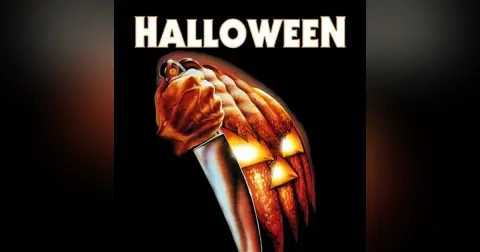
John Carpenter’s Halloween (1978) turns a quiet neighborhood into a place where Michael Myers could be hiding anywhere. Henrique Couto and Rachael Redolfi revisit Jamie Lee Curtis as Laurie Strode, Donald Pleasence’s obsessive Dr. Loomis, Debra Hill’s teenage characters and Dean Cundey’s use of shadows and empty space. Why does the Shape’s slow, silent pursuit still get under our skin? From Carpenter’s unforgettable score to the final-girl debate, this spoiler-filled horror movie review explores the craft and psychology that make Carpenter’s slasher classic a Halloween-season essential.
Bonus episodes & support: https://weeklyspooky.com/join
More scary stories: https://weeklyspooky.com/
Story submissions: WeeklySpooky@gmail.com
0:00 Sheriff, you must listen to me. He's purely and simply beautiful. Oh, you want to... Those eyes, when they would look at me from across the room, they were like the devil's eyes. A handsome devil's eyes. Okay, you want to run that path? His eyebrows could do that little kind of a wiggle. This isn't... Sheriff, this isn't a sexual thing. I'm talking about appreciating something that's purely and simply... Beautiful. I begged them not to release Michael, but they did. They did anyway. Now, it only makes sense that I stop him.
0:41 Yeah, it kind of seems like it's on you. You should have tried harder, dude. I could see why your wife left you. This podcast is about why horror scares us. What deep, dark, secret, scary cinema shines a light on. The discussions are frank and involve conversations about abuse, trauma, and mental health. There are also spoilers, so keep that in mind too. Now, sharpen your machetes and straight razors, because this is Cutting Deep into Horror.
1:25 Welcome back, my spookies, to Cutting Deep into Horror. I am, of course, your host, Enrique Couto, here with my co-host, Rachel Rodolphe. Rachel, how are you? I'm doing good. Yeah? Yeah. You sure? I'm pretty sure. I'm feeling nice and spooky. Why? All of the haunted houses we've been going to. We've only been to three. That's a lot more than I generally go to. I mean, by the end of tonight, it'll be five total. Yeah, it'll be five total. That's almost double. Almost. We're getting, we're getting up there. Oh yeah. So, but we've had some fun times at the haunts. Uh, I, I've been trying really hard. I think we mentioned that last, last show that I, I used to never have the money to go to haunts cause they're not horribly expensive, but they are expensive. Uh, I mean, if you're, if you're working, uh, you know, working paycheck to paycheck, it's, it's not always easy to come up with, um, 25 bucks, 35 bucks, uh, To go out and have fun. Although now I guess that doesn't sound like as much money as it used to.
2:30 Yeah, that's taking the family out or two people out to Burger King, man. But now I, you know, as is the tradition, I have money and no time because that's the way it works. Yeah, well, they're competing ratios. Yeah. So it's like, okay, now I can get the fast passes and everything, but where the hell do you find a weekend? So luckily I'm, you know, making time. Yeah. Like they said in Star Trek. Well, if it's important to you, you make the time. That is exactly what Sulu said in, well, no, that's exactly what James Doohan as Scotty said that Sulu said in Star Trek Generations. So, but yeah, yeah. So we've been, we've been having fun. We've went to, we should shout them out a little bit. I mean, we don't have a ton of listeners in Southeastern or Southwestern Ohio, but.
3:19 We got enough. Yeah, probably. I mean, it depends on your definition of enough. But we checked out, where did we go first? First, we went to Cincinnati Fear Fest. Fear Fest, yeah. Which we had been to before, back when it was all Hallow's Eve terror town. Yeah, so it's been like four or five years. Yeah, I think the last time we were there was three years ago. Okay, yeah. And it was fun. I could tell they weren't quite ready. for the season because one haunt was frigging boffo and then the other two were all right. Like they seemed like they didn't have enough actors in there. Yeah. One of the actors that were there were great. Oh yeah. They were so game. Well, one of them, they let us in and I literally kind of was like, was this, is this even open? Cause like there was so little happening in it. Yeah. But, uh, but that first one we went to, uh, was really the burn yard.
4:07 Burn yard was scary and good and fun time. The end of it was phenomenal. Yeah. Yeah. Scared the hell out of me. I mean, not that that's that hard to do. And, uh, and then the following weekend, uh, we went to, um, uh, Dayton screen park, which it's funny because living in Dayton, Ohio, the Paris of Ohio, um, I've never been to Dayton screen park, which is the only point that you can see from one of our major highways. Yeah. And somehow I never ended up there. I think that part of it really is that for years they didn't have online tickets and I'm, I'm awful. Like when I, like, okay. For people who don't know what it's like, I think most people do, but if you don't know what it's like to, to, to decide something's too expensive and then 15 years later, realize it's no longer too expensive for you to do it. You, I don't know, you get kind of. You overcorrect a bit and I wanted fast passes and stuff because I just wanted to zoom in also to be honest. And this, I may be alone in this, but the other reason I like to buy fast passes is I like to pay the haunts more because I want them again. I want them to go nowhere. I want them to grow.
5:24 I want them to be back next year. I like going to the ones I've been to before and seeing the changes they've made. Yeah. It's really fun. So Dayton screen park was a blast. That was super fun. Yeah. And when they said 54 minutes of pure terror, they weren't joking. They said 45, but yes. Oh. I was close. Just a little dyslexic there? Yeah. Just the one with numbers. Just the one with numbers. Numbers. I couldn't even think of how to say just backwards. Just the ones with numbers. I don't know. I don't think that makes any sense, but I'm okay with it. We're going to roll with it anyway. So we had a great time with that one. And. That was the one where I was trying, I was walking up the VIP line and I was looking at my ticket and I was like, I believe I'd be, I paid the most you could pay for a ticket.
6:09 So I'm pretty sure it's VIP, but mine didn't say VIP. It just said like general with fast pass, which is the exact same price as a VIP ticket. So I was like, what, what, what's going on? And I walked up to the line and the guy walks up, he goes, Hey, my name is bone daddy. I run this place. And then he was like, I watch you on Tik TOK. Come on in. And I was just like, what? So he pulled us right in, told us, you know, 45 minutes of terror, go on. And we had a great time. And then a bunch of the haunt actors recognized me too, which was really unusual. I'm not trying to brag. It's really just bizarre. There was the one clown that followed us like three times and then finally figured out who you were. He said something that nearly killed me with humor. Because it was the second time he saw us. He was the hillbilly clown. One of the two hillbilly clowns. He got close to me. He was like, I thought I recognized you, but I wasn't sure. And then he leans up to me and he goes, I always wanted to kill a niche celebrity. And I nearly died. Because just using the term niche celebrity is perfect. But in that context, I was like, I wanted to roll on the ground and laugh like a niche celebrity. So that was really, really fun. And I definitely, that's on the short list of like, I have to go back next year. Yeah.
7:26 For sure. Yeah. And tonight, after we're done recording here, we're heading straight to the Brimstone Haunt, which is the haunt that is connected to our Renaissance Festival out here. Yep. And that one's one that's become a favorite of mine. It's fun. Yeah. Oh, and the other one we went to when we were done at Dayton Scream Fest is we went to what I think might be my favorite haunt of the entire area, though. Yeah. For sheer haunt factor. Yeah. Because when you have things like Brimstone Haunt, which is super fun, it's three haunts in one, which rhymes. You know, they've got like a little midway. They got food. They got whatever. You know, they have a little midway at Cincinnati Fear Fest as well.
8:10 When we go to Land of Illusions, it's like a theme park, but with haunts instead of rides. Yeah, it's great. Which is awesome. Yeah. But Face Your Fears Hotel of Terror is, I mean, they have a few vendors or whatever, but it's really just a really, really dedicated scary haunt that's done really well. Yeah. That's, and that's the big thing that I, I want to say about them is that I've been to haunts where they're like, we're going to go extreme and they're always lame. I mean, it's not that they're lame. It's just, I don't know. They like, The sense that they want to like really upset you. I don't know. It just sounds, it's just cringy to me. Yeah. But when you go to Face Your Fears Hotel of Terror, I mean, it's really scary. They put a lot of effort into some big scares. And this go around, we were leaving the Dayton Scream Park and it was still pretty early.
8:56 Yeah. So I was like, you want to go to Face Your Fears? Because it's one of the other, those are the two haunts that we, or that's one of the few haunts we'd been to that's just one attraction as well. Which means, because when you go to like those other places, you're going to be there 90 minutes to two hours minimum. Exactly. Because they've got a bunch of, well, Land of Illusion has six attractions. I think it takes four hours easily. Oh, yeah. To really get through everything. But so I was like, hey, do you want to run to Face Your Fears? Because it's another one-off. Because we'd done that before and we knew we'd be in and out in an hour tops. So you said yes. And then I was like, good, because I got us touch passes. And I was like, what? Yeah. For those who don't know, touch passes, you pay extra for... not only a fast pass and yada yada, but also for the haunt actors to be allowed to touch you physically.
9:42 Well, but you also become like a part of the haunt at that point. Yeah. So they make you wear these glowing necklaces that tell the haunt actors that you're fair game and they have things they'll do to you uh other than just touch you but they do touch you and i had always wanted to do a touch pass so i said figured what the hey um so we went and it was hilarious too because there was the regular line the fast pass line and the touch pass line and there was literally nobody ahead of us on the touch pass line And I want to mention it was for a whopping, I think, $ 12 on the top of the ticket. Maybe it was less. It might have been $ 10. So, I mean, it's not like it's insanely expensive compared to the FastPass.
10:25 Which you're already paying, yeah. Well, yeah. So, if a FastPass is in your purview... But I also understand why some people don't want to be touched. We went in there and yeah. And anywhere we went, people were, were like, oh yeah, they'd like come at you because, because you, they get to scare the audience, the other people in the crowd even more when they grab you, it makes them feel more in danger. Yeah. But also, I mean, you're right. It actually makes you feel like, or it makes them, it makes you, yeah, kind of part of the haunt. Because what happened with us is we were barely in there. We were maybe three minutes in, four minutes in. Yeah, at most. And these Grim Reaper, this Grim Reaper guy grabs me and just puts me through a trap door. Yeah. And it dumps me like, I don't know, maybe 20 feet back from where we were. I don't know where the hell I am. So I'm trying to get around. And one thing that haunts are is they are basically mazes, but they're badly designed mazes. And when I say I mean because they aren't meant to actually get you lost, they're just meant to make you take forever to get where you're going because they round about you a ton.
11:29 But there's no, you know, there's no dead ends. There's no loops that take you nowhere. It's but it's a maze. I mean, it's literally make how many how far can we make you walk in this one room? Exactly. So I start trying to find you. And all of a sudden I felt like I was in a horror movie because I'm like running through this haunt looking around and also the scare actors are there. And sure enough, I get up to where we were and frigging the guy grabs me again and puts me through the same trap door again. So now, and the best part is you scare the other people coming through because the trap doors don't let you out just anywhere. They let me out, like, by where the scares are and stuff. So I'm literally a guy just running out from where the, like, it was the automated scary old lady was jumping out. That's where I came out. So I come out and all of a sudden I'm with another group that I don't know.
12:26 And I start going, have you seen a girl, like a short girl? And I stop and I'm like, I'm not a haunt actor. I know how this looks. This looks like I'm trying to scare you guys, but they did take me away from her and I can't find her now. And I ended up walking with them for a while. And. Finally, I found you when we got to the basement. Yeah. So that was interesting. And then Rachel got really terrorized by the chainsaws because she is very afraid of chainsaws. Chainsaws are very scary. They're loud and they're stinky. And you like to say my name very loudly so that the haunt actors chase me screaming my name. How else are you going to hear me if I don't say your name?
13:08 And then you'll say things like, it's okay. They won't come at you with the chainsaws. And then, of course, that means the chainsaw guy is immediately, like, got to go after her. For the record, I didn't do that at that haunt. I did that last year. I'll do that tonight as well. I did that last year. I went, she really hates chainsaws, doesn't she? And he just kept chasing him. But, yeah, there at the end, we're, like, in the second-to-last room. Something like that. And then they were with a small group of other people. And a guy with a chainsaw is like chasing us all down. And you're screaming to the people like, just run. They'll come after us because we've got the touchpad. It was this one lady who was really scared. And I had been walking with her already because I was with her group. And I'm not trying to be funny.
13:55 I don't think this is embarrassing. I don't know her name. I couldn't. But she peed herself. She admitted it at one point. She was like, I'm really sorry, y'all. I peed myself. I can't even lie about it. Like, I peed myself. But she was the one that was afraid to go by. And that's why I yelled at her. I was like, just go. They'll grab us. Like, that's who they really want. Which you said that. And then as we're running away, this immediately grabbed me. This guy grabs me and flings me like a sack of potatoes into a chair. And then just starts chainsawing me up and down the body and chainsawing my legs. Yeah, it had like a vibrate thing on it. Yeah, so it like really gets you. It startles you for sure. Yeah, and people would like run past and he'd go to, you know, chainsaw them. And I'd try to get up and then he'd push me back down. And like, yeah, they really go at it.
14:42 Yeah, it was really fun. We left it with our hearts pounding. So, and they always, that haunt in particular, I've been there, I think this is my fourth year in a row going there. I believe, or third, but I think it was fourth. And they change it a lot at the, especially toward the ending. Cause the first year I went, we didn't even go in the basement at all. Yeah. I'm guessing cause they were remodeling it or something. Cause it is an old hotel. And so every year I feel like it ends and I never know where it's going to end because they redo the ending so much, but, uh, but it was super, super fun, super scary. I was amped. So yeah, we've been having a great time going to haunts this year. Cause Rachel's not working weekends mandatorily anymore. It's so nice. So we can go to the haunts.
15:24 Yeah. And so, yes, we're going to Brimstone tonight, which has three haunts, including the brand new Boogeyman haunt, which. That's kind of appropriate for tonight, too. Yeah, because the Boogeyman can't be... You can't kill the Boogeyman. That's what I meant to say. I did a bad job. We're talking tonight about John Carpenter's Halloween. So also we're going to swing by Hell's Dungeon, another Dayton native... Yeah. Haunt. I'm so amped about that one. Yeah. I'm curious. I've heard about it, but I've never been there. So, but yeah, we're talking about John Carpenter's Halloween classic from 1978. I feel like if you haven't seen this one, that's really, really weird. Yeah. Like what are you doing? And I don't know how to, how to react to that.
16:05 Yeah. But if you haven't seen it somehow, it's very easy to get your hands on. You can watch it free on AMC Plus with your subscription. You can watch it on Zumo Play for free, Plex free with ads. And of course, it's available anywhere you rent your movies. It's an absolute fall time classic. And the funniest part is they didn't really even know they were making a Halloween movie. I mean, they knew, but they didn't. Because it was originally titled Babysitter Murders and it was just set on Halloween. And then they, you know, they moved things around, they changed some stuff, but they just picked a setting. Okay. You know, because the idea of big seasonal movies, horror movies, wasn't really that much of a thing. I mean, Black Christmas had happened two years earlier. That was the closest thing.
16:53 And some people have claimed that they stole a lot from Black Christmas. I mean, no. Well, they're both claimed to be the original slasher movie. Well, yeah. You know, so. But we're going to talk about that a ton. There's all kinds of things to talk about with Halloween. And, you know, from the cinematography, the music, the performances. I mean, it stars, obviously, Jamie Lee Curtis beginning her massive career. It was written by John Carpenter and Deborah Hill, who is often the undersung hero of Halloween. But the funny thing is John Carpenter would not tell you otherwise. He says he has always said that Deborah was like one of the defining forces of the Halloween films he was directly involved in, which was one, two and three.
17:34 Yeah. So. Um, but yeah, as well as like PJ souls, Donald Pleasance, of course. Um, so we're going to talk about that and a ton more right after this. So of course this is the, the immortal classic that that is Halloween, which literally is what they called it in like the re-release trailers and stuff. I was like, When I was growing up as a young horror fan in my teens, this was the film that like it, it had just the first one had just enough class that parents liked it. That didn't mean they'd immediately show it to your kids, but they liked it. Like the first time I got to really watch Halloween, the first one, cause the sequels were on cable, like crazy when I was a kid on AMC, mostly. The first one was because my friend who lived a few blocks down, his mom owned a tape of it. So whenever spooky season would come along, we would pop that bad boy in right away. And eventually we watched it so much. She gave it to me. Oh, it was one of those blockbuster cheap tapes. I mean, I'm not, I mean, I get why she had, it's not like she paid, you know, 59 99 for it in 1991 or something, but, but it was still very thoughtful. They had like a blockbuster logo on it. It was a picture of Jamie Lee Curtis looking scared with Michael Myers behind her or whatever. Uh, any horror nerd around my age is going to be like, oh,
19:04 I totally remember that tape. Cause it was everywhere. Cause again, it was, I think it was like $ 15 or nine 99 or something. Okay. So people were, it was, it's like people going, oh, I know exactly the, um, Adam's family tape. You're talking about, you bought it burger King. Cause it was only nine 99. Right. Yeah. It's like, of course we all remember that, you know, from that era. Everybody had one. Yeah. Except you, but yeah. But no, uh, so it was always around. We always loved Michael Myers. Now, when I was like 14, 15 range, That was when Halloween Resurrection was coming out and stuff, which was not great. I think it's aged really well because it's so dated. But as with any time we're talking about a film that spawns a boat ton of sequels, we're going to look at this film as if there are no other sequels. Yeah. Now, you know, if I go on a tangent or whatever, we will mention, like, if we talk about the sequels and say this and this and this. But overall, we're talking about this movie as if the boogeyman disappeared. If you've not seen this, my God, what's wrong with you?
20:02 At the end, when the boogeyman disappears, our version is that, like, we never know what happens next. That's it. That's all we ever get to know. Which is a scarier ending. It really is. But at the same time, I mean, I want Myers to come back a million times because one of my ultimate fall comfort movies is Halloween 4. I love that one. The Jamie Lloyd character played by Danielle Harris was like exactly my age. Yeah. Maybe two, she might be like a year or two older than me, but when, by the time I saw it, we were like the exact same age. Yeah. And that means that like the Halloween that's depicted in there with the cutouts of the black cats and the skeletons and all this, that was literally the Halloween I saw because the, you know, the designers were going to Kmart and buying the decorations that my mother would go to Kmart and buy, you know? So that was always a delight, but the original Halloween always had this this bravado, this, this depth that was understood to be there in my generation of like, no, this is a masterwork of horror. Like you like slasher movies, you know, you like Freddie and Jason and Chucky, but that first Michael Myers movie is not like those. It's, it's, it's like Hitchcock. Yeah.
21:23 Yeah. Which Carpenter would love to hear because he loved Hitchcock. So yeah, Yeah, so the first, I couldn't tell you the literal first time I saw it because it was around a bunch in different ways. Also, when you're a kid, if you saw Halloween 2, you probably wouldn't know if it was Halloween 1 or 2 because they basically are like one movie. Yeah. In that, you know, it picks up, it's like Bride of Frankenstein, it picks up like the moment after. Because in Bride of Frankenstein, literally, the end of Frankenstein is him like falling away from all the villagers. And then Bride of Frankenstein is him like rolling away in like, he's like, it picks up immediately. Okay. It's like the movie just keeps going, which is oddly enough how Halloween 4 and 5 work, too. Oh, yeah. Yeah, it picks up immediately where the last one left off. Oh, yeah.
22:07 So I think that the whole series is a phenomenal autumnal addition. I mean, even 3 without Michael Myers. I mean, it's a great movie on its own, but it also is very Halloween-y. It is. It has a ton of those. I mean, it's got the whole song. Yeah. No. To London Bridge is falling down. And speaking of music, so John Carpenter did the music on this film, which he always did the music on his movies, but this was his, I believe, third feature. Okay. I'm almost certain. It was Assault on Precinct 13, then Someone's Watching Me, which we've done on the show already, his made-for-TV movie, which I really think, did you notice when you rewatched this after having seen that movie? It's okay if you didn't. You're like, I don't remember that movie at all. But did you notice anything?
22:50 I remember, or I noticed, kind of like thematically how similar it was. Oh, I thought that they used like the, the camera movement and stuff was just like super similar. Like they use very similar language. Okay. Like a visual language. Yeah. Yeah. I could see that for sure. That was what I noticed after watching someone's watching me, which was he made, that was a made for TV movie. He literally did the summer before he filmed Halloween. It's why I, In a lot of the behind the scenes stuff, you'll hear they say John wasn't really around. It was mostly Debra and Tommy Lee Wallace doing everything. He was literally filming every day on a TV movie, which was shot on sets and stuff. And when you shoot on sets, like wholly to where, you know, you have like three days of exterior shoots and then everything else is on sets.
23:41 All of those scenes in those apartments were all sets. There were no, I mean, the exteriors were real, but everything else was on sets. You just film literally nine to nine. Oh, yeah. Or more like 6 to 6, but 6 a.m. to 6 p.m. because it doesn't matter what time of day it is. So they film it like a regular job. Yeah. You know, you go home at dinnertime and come back the next day first thing in the morning because nothing else matters. Yeah. As opposed to when you're filming outdoors or you're filming in real houses, you have to think a lot about what time of day it's going to be or hopefully going to be and what the weather will hopefully be like and things like that. Because the sun exists. Yes. Yes, it does. Or at least sometimes you hope. Much to our chagrin.
24:22 The music became so memorable, which is why I took the liberty of making this just for today. So that's on our soundboard. It's ready. It's ready whenever we need a little Michael Myers feeling. I love that sting. Yeah. I only, I held back and only pulled one. I didn't pull like 10 of them. Okay. So, cause I didn't have time, but it's been a busy month with weekly spooky. It's been an awesome one. And I'm so glad everybody's enjoying all the content we've been putting out, but I am beat. I mean, when they're listening to this, I will, I think still be in Philadelphia. Yeah. Checking out some haunts out there and, and hanging out with my monthly spooky cohost, Michelle. I think that's going to be really fun. Better be. Yeah. So, so, What was your first viewing of Halloween?
25:12 It was with you. It was shortly after we'd started dating and you were floored by the fact that I'd seen so little horror, but especially by the fact that I'd never seen the classics like Halloween. So it was getting up on Halloween season and you were like, well, we need to fix that and watch all of them. So we started with the first one. And I remember, as it was unfolding, thinking that this was way different than what I had ever imagined. Really?
25:52 Yeah, because everyone had always talked about, like, how scary it was. And it being, like, the progenitor of the slasher movie, it had always been relayed to me, like, how... Well, it's always related to me how high Michael Myers' body count was. But no one ever explained to me that really in the first movie, it's only like, what, six people? I think so. It's very low. Because it's Judith and then the 14. So, yeah, it's only like five or six. Judith and then the guy that he steals the car. Truck. No, it was a car. Sorry, he steals a truck in part four. Okay. Steals the car and then the 14. So yeah, it's like five or six people.
26:37 Five on-screen human kills. Okay. But throughout the series, he kills a lot of people. So that's kind of what had always been relayed to me. So if you count Judith Myers at the opening and the mechanic, which you see off screen, most people say five to seven deaths. Okay. It depends on which ones you count. Okay. So even that's not fully confirmed. Well, and then it gets worse because you've got to remember that there are the sequels. We could do an entire show just talking about the entomology of the sequels of Halloween. Because you have Halloween 1 and Halloween 2, which are direct sequels to each other.
27:20 Yeah. Then Halloween 3, which is a totally different movie. Has nothing to do with anything. And then Halloween 4 is a direct sequel to 2. Halloween 5 is a direct sequel to 4. And then Halloween 6 is a direct sequel to 5. But then you get Halloween 7 H2O, and it's a direct sequel to 2. It's a direct sequel to 2. Yeah. And then you get Resurrection, which is a direct sequel to H2O. And then that ends. And then you get Halloween 2018, I believe it was. Yeah, 2018, which I love. But that's a direct sequel to 1. So that leaves two out again entirely as to where nothing else had ever left to out. They'd left tons of other stuff out, but never to.
28:03 Yeah. So then you have that one and then it has its own trilogy in there too. So there's a lot of timeline breaks in there. So if you wanted to get his, his onscreen kill count, it is argued at 155 to 161. If you just count kills that he did. Okay. If you do just the original timeline, it's between 58 to 72 kills. If you count just Halloween up to Curse of Michael Myers, which is part six. H2O timeline, it's 30 to 52 kills, depending on how you count. Oh, God, I totally forgot. And the Rob Zombie remakes. But those are not canon at all. I mean, I don't like them very much. I think if you like them, that's totally okay. But they don't canon into anything other than themselves.
28:45 That's why I didn't think of them. Okay, yeah, yeah. In that one, 31 to 41 kills. And then in the David Gordon Green trilogy alone, it's 20 to 30 deaths in a single night. Oh, wait, I'm sorry. Sorry. That's just Halloween kills, which makes sense because they're called kills, which brings the modern timelines total kills to 60 plus. So he has one of the higher body counts competitive only with like Jason Voorhees. Yeah. But yeah, so that's that's interesting. I mean, because when it comes to slasher movies in particular, you've got to remember that for the longest time. The way you saw them was, are they on cable or do you have an older family member who is either loaning you tapes or taking you to the theater or you're relying on your local Hollywood video, family video, movie? gallery, or mom and pop video store that may or may not be a tanning salon. And that's not a joke. You probably don't remember that. I don't.
29:47 It was not just here, but we had tanning salon video stores, and they were very common throughout the United States. Do you remember when they had little video rentals in Kroger? Oh, absolutely. I remember that all the time. Yeah. I rented my first... viewing of mystery science theater 3000, the movie at Kroger. So when they had that little video section, so, or maybe around here, accent video, West coast video, those were two that were around, but you, there was no guarantee that every movie was there. Like I, I didn't see Friday the 13th part seven until I was like, like, really sit down and watch it until I was like 16 or 17 when it came out on DVD, because none of my rental places had all the tapes. All of them had that combined.
30:34 Yeah. Like, so there'd be ones missing as well. So my point is I could see people having a fractured memory because people would, would remember, you know, they'd remember Jason Voorhees having a chainsaw. Right. Or they remember, you know, Michael Myers killing a bunch of people really aggressively. It's actually very similar to Rambo. Rambo barely kills technically one person, if you want to say two, in First Blood. But everybody remembers Rambo in 2 and 3 where it was berserk. So people will be like, oh, Rambo's so crazy. It's like, not that first one. It's kind of like that. People can only remember so much because back then you couldn't marathon them every single weekend unless you had the kind of dough and willingness to buy the tapes or whatever. Which is why I was such an immense Nightmare on Elm Street fan because I had all of the original six on tape.
31:22 Yeah. So I was able, I was watching them all the time and they really, I really remembered them, you know, super well because of that. So, so that's why I'm not surprised that you kind of had been fed like a different concept. Yeah, yeah, it was. And it wasn't, I wouldn't say it was an entirely erroneous concept because I'd still like managed to catch through the zeitgeist stuff about like Michael Myers or Laurie Strode or, you know, the boogeyman or the shape. It's pronounced poltergeist, not zeitgeist. But as you and I watched it the first time, I realized it was about, like, halfway through the movie. I was like, I like this so much better than the movie that was described to me. Because it is so psychological and you really do, like, it's so intense because of how much is happening, like, behind the scenes and, like, the way it's all set up and everything. It's like watching a chess game unfold in front of you. That's fair.
32:23 That's a good way to put it. Yeah, I was really impressed the more I watch it. And yeah, I think every time I watch it, I find something new to appreciate about it. I would agree. I think that, especially since I didn't, you know, the first time I got to see it was only like, what, 10 years ago. So I don't have the lifetime of experience of like having it on cable or anything. Well, I think that's not an unvaluable element. I mean, I think that there is something to be said for not having nostalgia for something. It can give you a very different view. I always believe that that's why Wes Craven had such a fascinating understanding of movies, because he grew up in a type of almost Quaker home.
33:06 Oh, yeah. I don't think he was literally a Quaker, but it was something similar to that. And he didn't see a movie, aside from religious cartoons, until he was 20. Okay, yeah, yeah. So he saw The Wizard of Oz for the first time at 20. But that's going to be very different. You're going to have a much more analytical mind. You're going to have a lot more understanding of things. But we'll figure it out together right after this. Obviously, one of the things I think stands out with the film more than just the mastery of the craft which is there. I'm not, I'm not denying it. When I once saw at the drive-in, they did a showing of Halloween, Friday the 13th and Nightmare on Elm Street all together, right?
33:55 Oh man. It was awesome, but it also made me really realize how great Halloween looked while costing about $ 300, 000. How awful Friday the 13th looked having cost maybe I think 150 to $ 200, 000. And then everyone else really looked great, but it cost multiple millions of dollars. Right, right. It was just kind of funny, but I did blow my mind. I was like, but Halloween was really a small movie. Yeah, yeah. And it looked much, much bigger than it had any right looking. And a lot of that was due to Dean Cundy's cinematography. Absolutely. Dean Cundy went on to do things like Jurassic Park and Back to the Future. And of course, Halloween 1, 2, and 3. He was a genius cinematographer and he, kind of invented the concepts that made Michael Myers, AKA the shape. So scary. He spent the whole movie trying to use composition and lighting to make you afraid of negative space. He made you look for Michael all the time. And, uh, he was John Carpenter's go-to for a really like for at least almost a decade after this movie. Oh, wow.
35:02 I mean, I can see why. Well, and I mean, Cundy had shot, I think one or two other movies and they were not the kind, I think he'd shot like a silly sex comedy before that. Like he hadn't really had a chance to like do anything that really he could show off. Yeah. And Halloween was just like one giant show off reel. Yeah. So, and it's funny, you know, of, of these films, Halloween and Texas Chainsaw Massacre, two films that could not look more different from each other. As far as visual language and craftsmanship and nothing against Texas Chainsaw. It's just, it looked grainier and grittier, had immensely less money. And that was the goal. But both of those cinematographers, Daniel Pearl from Texas Chainsaw Massacre and Dean Cunningham from Halloween became two of the most sought after cinematographers in all of Hollywood.
35:53 So it's just kind of, it's just kind of funny. They're both, well, I think Dean has slowed down quite a bit. I think he was quite a bit older. Uh, but Dean, I mean, his most recent, he was a shooting on a TV series in 2023. Oh man. And I know that. Well, and the other thing is it's hard to know what all he's really doing because cinematographers bread and butter is commercials and those aren't on IMDb and stuff like that. And I really learned that how much that was true because Dan Pearl, who is still working constantly, the DP, I follow him on Instagram and he is always on like an American express commercial or something. Okay. Flying to like, you know, Serbia to shoot a series of ads. Yeah. So there's gotta be dough if he's always flying in planes and stuff. But, uh, here are just a few Dean Cundy films. Actually, wow. I was totally wrong. He, I apologize. He shot a lot before Halloween. Oh, really?
36:47 Or am I looking or am I crazy? What am I looking at? That's why am I wrong? Cause Halloween was 1978. Yeah. So why am I not seeing it on his list? Oh, there it is. Because, okay, so yeah, he shot a lot of movies before Halloween. I was totally wrong. Okay. But they were not like that. Like he shot the No Mercy Man, which exploitation movie, Brother on the Run, another exploitation movie, Where the Red Fern Grows, which was pretty. He shot So Evil, My Sister, exploitation movie. Oh, shoot. He shot The Witch Who Came from the Sea, which actually is a very underrated exploitation movie. Creature from Black Lake, Black Shampoo, which is an exploitation movie. Satan's Cheerleaders, phenomenal exploitation movie. These are all before Halloween. So then he did Halloween. Then he did Angel's Brigade, exploitation movie. Rock and Roll High School, exploitation movie for Roger Corman. The Fog, John Carpenter. Without Warning, great horror movie. Halloween 2, Jaws of Satan, exploitation movie. The Thing, Halloween 3, Season of the Witch. Psycho 2, very underrated. And it just keeps going.
37:53 And then by, I think, where is his big break? And then 89, he shoots Roadhouse. Oh, wow. Big deal. Then he shoots Back to the Future 2 and 3. Oh, he shot Back to the Future 1 at 85. So yeah, Back to the Future was really when he started to do huge movies. Yeah. Because he did Back to the Future and then Big Trouble in Little China. And then Who Framed Roger Rabbit in 1988. Then Roadhouse. Then Back to the Future 2 and 3. Then he shot Hook. He shot Jurassic Park, Death Becomes Her, the Flintstones movie, Casper, Apollo 13, Flubber, Krippendorf's Tribe, Parent Trap. That was in a row. Good God. I was reading that in the order they came out that he did them. Good God. Man, Hook and Jurassic Park?
38:36 Yeah, he did Hook. I guess Hook was how he and Spielberg got fully hooked up, but I mean, didn't mean to do that. But also remember that Spielberg produced on Back to the Future. Oh, that's right. So that's how he would have gotten on his radar, especially. Well, thank you, Dean Cundey, for like just filling my childhood and adulthood with great movies. Same here. And Murdered Teenagers. Oh, yeah. Oh, and Who Framed Roger Rabbit. That was in there and it just. Yeah, no, I mean, he had his fingerprints on on so much. Dean Cundey is definitely worth celebrating in the film. Yeah. And the reason one of the reasons that Halloween one, two and three look so amazing on their every Blu-ray edition and then the 4K editions. Kandi has personally overseen all of the transfers to make sure that they look the way he intended them to look so really brilliant guy and one of the reasons the film works so well.
39:31 The other element is the seasonal element, which is extra funny because it's in the fall, right? It takes place in the fall, obviously, because it's called Halloween. Yeah. They had to buy leaves from Or take like rip leaves off of trees and paint them. It's not that funny. Jeez. And they had like these big sacks of leaves and they would have to dump them out, film, and then scoop them up. Yeah. And then put them somewhere else. The other thing you'll notice is the quality of pumpkins that they had access to vary a lot. Some of the pumpkins look totally like pumpkins and they're totally cool.
40:12 And some of them you're like, what is with that pumpkin? Yeah. And some of that is also because the pumpkins were being lit with insanely bright lights in order to photograph on 35 millimeter film. But so you have the pumpkins, you have the leaves, which, cause I believe this was shot in the summer, the end of the summer. So, but also they set this in Illinois, Haddonfield, Illinois, fictional town in Illinois, but it took place or it was filmed rather in California. Yeah. Yes. And much like in Nightmare on Elm Street, you occasionally see palm trees, if you really look. Yes. Because Nightmare on Elm Street was also supposed to be unknown Midwest. In the first film, they never said Springwood, Ohio.
40:55 That came later. But it was just supposed to be some random Americana town. Now, Carpenter did not know Illinois, because Carpenter's from Kentucky. Oh, really? I'm almost certain. Or he went to school in Kentucky. See, now I don't trust myself. Because for some reason, I thought Dean Cundy had done, like, two movies and now i'm like oh. Boy maybe i don't even know anything at all. I mean i probably don't but no so you have that that that autumnal experience which i know um you had a very different understanding of yes then oh he was born in carthage new york i'm stupid see although carthage was upstate which is more like illinois than california is But anyway, but I know he went to school in Kentucky. Okay. Regardless, but you were a no Halloween household.
41:44 That's correct. Yeah. We did not celebrate Halloween because it's the devil's holiday. I mean, kind of. Yeah. He's got to have one. Well, sure. But like, he's the bad guy. So you don't celebrate. Yeah, so keep him in his place. You know, you got to know where he is. That's better than not knowing. Yeah. It's better to know where your enemy is. Do you know where the name Halloween came from? Isn't it like All Hallows' Eve or something? Yeah, All Hallows' Eve. And it just kept getting compressed and compressed as we love to do in English. Yeah, just smoosh it. Compressed and compressed until it was, because it was really Halloween, apostrophe E-N, as in Halloween evening. Okay.
42:25 Or Hallows' evening. All just. Okay. So Halloween. I mean. Halloween. Halloween. And that's, I want to say that phrase was like from 1920. It's very new. One of my favorite parts about reading Halloween Party or whatever, the Hercule Poirot's mystery, is that they are like explaining, they're like, what are we doing here? It's like, oh, it's a wonderful game I read in a book or in a magazine about bobbing for apples. It's like people were like, wait, how do I celebrate Halloween though? Because it was brand new, you know? So it was like a fad at that time that caught on. Kind of like our modern Christmas was like maybe 20 or 30 years earlier. The kind of the version that we really do now had started. Yes.
43:08 With people kind of like, yeah, pushing it out there. Yeah. Anyway, so for you, I mean, well, you were homeschooled, so you didn't get to see like all the decorations go up at school. Yeah. What was Halloween to you as a kid who didn't get to celebrate it, but you had to see it around? So, yeah. Yeah, I saw it around, but it's like, well, we weren't, like, my parents had to vet, like, Halloween specials on TV. So, like, you know, we'd have to ask them, are we allowed to watch this? Because they'd have to check and make sure if it was too scary or too demonic for us. Which is the best kind. And then, like, you know, as far as, like, Beggar's Night.
43:55 For those not from the Midwest. Yeah. Beggar's night is the night you trick-or-treat. Yes, trick-or-treat night. And out here, until really the last four or five years, it was generally speaking not Halloween night. So that's something that when I lived in Jersey, I'd be like, what night did the kids come for trick-or-treat? And they were like, Halloween. And I'd be like, yeah, but what night is the candy? And they'd just look at me like, Halloween? And I found out later, I was like, oh, that's a Midwest thing. Yeah. In part to keep kids from out of trouble. Mm-hmm. Cause we had like really bad issues with delinquency. Cause there was a period of time where it was the, it was mischief night. It truly was mischief night. So anyway, so beggar's night is when, for those who don't know, that's when trick or treating comes out. I love the term beggar's night.
44:41 Oh, I, yeah, I think it's a great term. I think it's cute. Um, and as, as an adult, like the more I know about the history of Halloween and like the history of like going to door to door and like asking for treats and different, uh, European cultures. I just think it's fun. I think the funniest part is that the tradition really comes from Christmas. Yeah. There's way more Christmas begging at the doors, you know, figgy pudding and stuff like that. But what my, we, we tried handing out candy for, for beggars night, but my parents would get upset. Cause like, uh, how scary the costumes would be sometimes. Uh, So they would let you kids hand out candy? Or just the house was handing out candy?
45:22 Just the house was handing out candy. But she didn't like how scary that costume should be? So finally it became, for Beggar's Night, we would like turn off all the lights, pull up in the basement and like heat up a pizza and just wait for everyone to stop ringing the door. It should be mentioned, you had a very large family. Yes. Yes. Yes. At that point, how many kids were in there, in that house? So my two older sisters and then me and then my two younger brothers. Yes, that's a lot of kids. That's five kids. That's five kids. Now, to be fair, my two older sisters, since they have their mom, they would often choose to do what any self-respecting child would do.
46:02 Often as in always. Always. They would spend Halloween with their mom so they could go get the candy. Yeah, they would. Because she'd be stupid not to. Yeah, what the hell? But yeah, so we would not get candy. We would just, like it was the zombie apocalypse, hole up in the basement and wait for it to pass over. Or like Passover. Or like Passover. Wait for it to pass over. Yeah, my family's church did that a couple times too. The Passover. Occasionally there would be like a fall festival like at the church or the civic center or something that we would go to, but very specifically like It was not Halloween because that's the devil's holiday. It's a fall festival or a harvest festival, which is basically Halloween.
46:49 I mean, yeah, that's really what Halloween is, is a part of the harvest festival. So did you resent not getting to go out for treats or did you just not understand it so you didn't really care? Oh, no, I resented it. And I also resented the fact that I couldn't dress up much. Yeah. Because, like, at the church things, they would occasionally let you do, like, a costume, like a costume contest, but it had to be a character from the Bible. Like it had to be a Bible thing. So my go-to was always Noah's Ark. You could be an animal. Yeah. Well, you know, what's funny is I was like my first, my first instinct being a man of 40 born in 1986. So I'm trick-or-treating through the nineties. My first thought was like upset by the costumes that came to the door.
47:33 And then also me remembering all of the blood capsules I bought that I would buy it. And have blood just gushing out of. My mouth every door. Yeah, you were one of the kids, my mom. I guarantee I was. I guarantee. Probably not literally, but maybe. But yeah. But no, no, but that's the other funny thing is when I look back and really think about the costumes, like I was Dracula for multiple years, I always had blood all over me. Yeah. Feels kind of funny that like, you know, you'd be like seven years old, you're just drenched in blood going door to door. Like, yeah, okay. It's a little bit twisted, but. you know, but what are you going to do? I mean, uh, uh, everyone's entitled to one good scare.
48:17 One of my favorite things about the introduction to Halloween is obviously the jack-o'-lantern. Oh yeah. That they're just moving towards the jack-o'-lantern. Slowly pulling in. And it's, Even the first time that I saw it with you, I was like, oh, this is, like, sets the creepy tone perfectly because it's perfectly innocuous and that's what makes it threatening. It also settles into Carpenter's less is more mindset. Yeah. Because it's just a jack-o'-lantern and a really, like, you know, a really in-your-face theme. But that's simple, though. But it does, it is bigger, you know. But it's, yeah. And it's just moving in. And kind of making you feel this kind of sense of dread almost.
49:06 Yeah, absolutely. It's kind of like when you're having a nightmare and you look at something and there's no rational reason it should be scary, but it is. That's kind of the feeling that you get. Yeah, I could see that. And of course, the first scene of the movie kind of setting up the backstory of Michael Myers. So, I mean, it's a great introduction to the character. It's a great introduction to the story. But I also really like what they did with... the killer point of view and how it makes it so much more startling that Michael's just like a seven year old kid.
49:46 It's easy to forget when you've seen that movie a million times that the audience doesn't know. I mean, they hear Michael, you know, my brother, Michael, and then they hear go Michael, you know, and all that. But at the end of the day, we only know it's a little kid and not like a 12 year old or something or 13, 14, 15, 16, 20. We don't really know. I think she might've called him as her little brother. That's it. Yeah. So no context. Yeah. So when they, when he stabs her and the only critique I really have when he looks up at his own hand stabbing, I was like, why would you do that? But, um, cause the POV is really cool. And it was very trailblazing for the time because of the steady cam, which I don't think may have even been called a steady cam yet. It had been sort of invented for the shining.
50:33 Yeah. Cause wasn't it like either steady cam or like Panaglide or something. No, that was what it was originally called. Yep. Yeah. Okay. Panaglide. So Dean Cundy was like operating this thing, which is hard on your back. It's very, very heavy because it has to have a counterweight. That's the secret is it has a counterweight and then it has like a cushion spring arm holding the camera to help reduce, um, you know, movement shake. So if you have a, on the light side, 28 pound, 35 millimeter camera, then you have to have a counterweight the same. And then it's connected to a vest. You're not carrying it. It's like hooked to your body and you're carrying it. So that's to help relieve the tension on your body.
51:14 Yeah. And it's funny too because it's not even a perfect pantoglide or whatever shot there. It's not that steady. But it's much more steady than we were used to. Yes. So it does give it less of a feeling of a guy walking up the stairs holding a camera. And I think that that works. I also love the way they hide the edits, it's very reminiscent of Hitchcock's rope, which is a film that's meant to look like it's all one take. Yeah. Yeah. But yeah, when they, when they reveal Michael being a little boy, his parents are at the front of the house and, and then the camera pulls back and we get more of that dread music and they, they stand in tableau as the camera pulls way, way, way, way back.
51:58 I've always thought that when I was younger, I always thought it was funny. I mean, not funny, but I mean, I thought it was kind of funny. Like, wow, they really pull super far back while they stand there. As I got older, I realized, you know what that's doing? Really? It's saying, look at this horror, and then it's pulling back. And this is something that's hit me a lot about the first Halloween movie, The Older I've Gotten. The neighborhood, Haddonfield, is a character. When it pulls back, what it's saying is, to me, is, Look at this really horrible thing that happened. And this is where it happened. It happened in a little town on a nice neighborhood street with nice houses, big houses. People make money here. Because if you watch the rest of the movie with that in mind, you realize that a lot of the movies about how suburbia doesn't protect you.
52:46 Well, yeah. Yeah. Like, because this is an era in American history when the suburbs were becoming what they became. Yeah. People were leaving. It was called, I hate this term. But they were calling it White Flight. Yeah. Because they believed that all the rich white people were just leaving the cities. And it bred a lot of interesting art. Not really slasher movies so much, but mostly the horror boom that came from White Flight was haunted house movies. The Amityville Horror Book was a hit right when tens of thousands, probably hundreds of thousands of people were moving to the country and the suburbs for the first time ever after living in the city their whole lives because it used to be the city had those little track neighborhoods and now there were less of those or they were seen as too dangerous or they wanted bigger houses or whatever it was, whatever reasoning they wanted to get out. I don't personally believe it was strictly to get away from minorities. I just don't buy that. But, you know, I could digress on that forever. But so...
53:49 you get this new home in a place you don't really understand. And then the horror is like the anxiety of buying a new home. The anxiety of not really knowing where you live becomes ghosts instead of like a cracked foundation or a leaky roof or whatever, or bad pipes, which is, you know, the real horror of home ownership. I mean, is that you never know what's going to be a problem next. You got to deal with it. So with Halloween, I feel like it was kind of a hip thing. of the idea of the, like, super safe Americana. Yeah. That it was kind of representing, you know, it even showed Halloween, the holiday, as a very all-American holiday, which it kind of is. Yeah. So... That's kind of what I take from that way big pullback is it's showing you the neighborhood. It's like, no, no, you need to see where this happened. This didn't happen in some field in the middle of nowhere. This didn't happen in some dank, dark, scary street in, you know, Detroit or, you know, what? No, this happened by where you live.
54:50 Yeah, exactly. Exactly. And that's what I think makes it work so well. Oh, yeah. Yeah. Well, and that's one of the things that I like so much is, yeah, Haddonfield has a palm tree here or there. There's some things that are definitely not Midwest, but for the most part, they do a really good job of making it feel like... It certainly feels like a small town. Yeah, it feels like a small town. For lack of a better phrase, it feels like your neighborhood and i'm using you in like the royal you um and and that's something that i like is even even in that that uh tableau where they pull back the whole point is saying this is your neighborhood like this happened right down.
55:40 The block from you and who was the audience that was going to see this at the drive-in and the new and the brand new multiplexes literally that were new suburban young people. It was literally their neighborhood. Yeah. And that I think is one of the reasons it connected. But the other element that I think really put, I have never really went into this this much. Honestly, this is the first time I've really thought about it a ton. What is Loomis's part? You know, Dr. Loomis, the guy who was trying to keep Michael locked up and everything. All, what does he do? He tries to stop Michael. And meanwhile, he, His, his, his, uh, you know, his girl Friday is the sheriff who doesn't really believe him, but is trying to like help anyway.
56:29 He was like, do you really think he'd do this? Do you really think things like this don't happen in Haddonfield? That is my point. Yeah. You know, it like is a perfect point. Like, and he literally, what is it? Death has come to your town sheriff. He says that to him. Yeah. It's like, and Haddonfield is completely unprepared for this kind of horror. But then even when, you know, when Pleasance, when Dr. Loomis is back and he's trying to find Judith Meyer's grave and he's talking with the gravedigger, it's a pretty funny little scene, but he starts saying like, Oh, things like this. Oh, there's always one that happens in towns like this, you know, two towns over in Russellville. A man, he starts telling a story about a guy who apparently murders his family, but he gets cut off by Loomis who has no desire to like chat, but like stuff like that though. It's, that's funny though. Cause it's true though.
57:14 And as a person who, especially in the last year or so has been really diving into folklore, even if those stories aren't true, they are out there though. Yeah. I, I, I've found so many like, Houses that used to exist that don't exist anymore or old foundations out by dams and stuff where the stories, even if I can't find a shred of evidence to happen, or a family got murdered there or a father hung a guy who he caught in bed with his daughter. They're all like that. And that has to be because those were the kinds of tragedies that did happen. Now, I'm not saying right there. Yeah. But around. Yeah. In general. Yeah. They became a part of, to steal your word, the poltergeist.
57:58 But I like how I made it like you said poltergeist wrong, but that was actually a joke about me hearing wrong. No, but. But yes, that's kind of the other thing I think that, yeah, it's like really about suburbia not being as safe as you think it is. Yeah. Which is a great way to rug pull your audience, who, by the way. So I, like I said, where, where does the audience live? Where the movie takes place? Who is the audience? Horny teenagers. Who's everyone in the movie? Horny teenagers. Yeah. And in a lot of ways, that was the first of its kind. Cause you, there are a lot of debates and I think they're all fair about what was the first slasher movie or what yada yada black Christmas, Texas chainsaw massacre Halloween. But Halloween was the one that really put in like the whole, like teenagers are just trying to do teenager stuff and they're being murdered. Because, like, Texas Chainsaw Massacre, they're not just trying to do teenager stuff.
58:48 They're all a bit older anyway, but, like, they're traveling somewhere they're not supposed to be, you know, or whatever. They are kind of, like, being little shits. Black Christmas is about college sorority, so that's, like, a bit different, too. It's not quite as hormonally charged. But after Halloween, they were all hormonally charged. They were all about teenagers being teenagers and then something awful and evil happening to them. Yeah. No, no, you're absolutely right. It's kind of like one of the things that definitely cemented Halloween as an archetype of the slasher films is the way that the teenagers are portrayed in this. And it's a really... I personally feel like it's a pretty honest and I guess caring look at teenagehood. Because I feel like, you know, Lori and, oh God, is it Lori and.
59:49 Ashley? What's her friend's name? Annie. Annie and Linda. I feel like they all have great chemistry together. And when they all kind of like rib each other or, you know, try to bust each other's chops, like it really feels like that's how high school girls act. And John Carpenter said that that was all Debra Hill. Debra Hill was like, we're going to make these girls talk like girls talk, like teenage girls talk to each other. Yeah. And I think that's one of the things that endears the characters. And I also think it's why you can watch it as a teen and dig it and you can watch it as an adult and dig it because you're just kind of like, yeah, that checks out.
1:00:29 Yeah. So, yeah, it's got that feeling to it from the moment the film starts. Like, the atmosphere is perfect. Not just for Halloween, but also for, you know, Midwest town. Just kind of has that perfect vibe. And Carpenter would have been exactly 30 when this was being made. I just decided I wanted to check it. And Deborah Hill would have been, she was born in 1950. So, and he was born in 48. So she would have been about 27, 28. So not super far removed from being a teen. Yeah. Yeah.
1:01:10 So, yeah. Sorry. I just was curious about that. But yeah, that's one of the things the characters are surprisingly believable, even in their one-dimensionality. Yeah. Because, I mean, if you want one-dimensional people, teenagers are a good spot to look. Because, I mean, because, you know, at least in the immediate understanding of They're going to be a bit that way. Well, you got to cut them some slack. They've only been people for like a week. Don't worry. They'll get cut. So, Rachel, that's not funny. I have a list here. Okay. How many films, just ballpark, do you think ran with the halloween concept like halloween did now when i say halloween concept i mean like slasher movie where the title is like a date everybody knows like what do you think like.
1:02:04 Ballpark oh at least 50. Oh okay that's way more than was yeah that's there's nowhere near that oh okay oh okay well you ruined my joke because i figured 10 10 would be a lot 50 is insane the slasher boom didn't even last 10 years gosh no we have friday the 13th These are in the order of years. Friday the 13th, Mother's Day, Prom Night, New Year's Evil, Christmas Evil, To All a Good Night, My Bloody Valentine, Happy Birthday to Me, Bloody Birthday, Graduation Day, Hell Night, Saturday the 14th, the parody, Don't Open Till Christmas, Silent Night, Deadly Night, April Fool's Day, Bloody New Year, Rush Week, Pledge Night, and Happy Hell Night. Okay, that is quite a few, though. Yeah, and then if you want to go even deeper, Trick or Treats, Sweet 16, Trick or Treat from 1986, and Slaughter High, which was originally titled April Fool's Day. Okay.
1:02:48 Okay. So those are all films that are like very obviously inspired by Halloween to have like a known date and then that be the horror. So there you have it. It's quite a few. It's not 50. So I guess it's not that many. Geez. I don't know. You're extreme like that. So there you go. I just thought that was an interesting way to show the effect it had on the marketplace. Oh, absolutely. But you were telling me. That when Carpenter was originally kind of conceptualizing the idea, he didn't title it Halloween. The initial title, I believe, was The Babysitter Murders. And it got changed, I think because they honestly I think they wanted it to not come off as like one of those exploitation movies. Okay. But I don't know. I don't know exactly why the title changed. But yeah, Babysitter Murders was one of the original, which makes sense because it's about a bunch of babysitters.
1:03:46 Yeah. And they do, in fact, get murdered. Well, some of them do. Well, a percentage, which is more than in most movies, I feel. Maybe. Depends. Yeah. But you were also telling me about Erwin Yablonz. And you mentioned that he had kind of helped. form what Halloween would become. Well, I mean, he, he, no, he, he was the producer. I mean, he developed the concept. He's the one who hired John Carpenter. Okay. Um, so, but there was a big to do because Mustafa Akkad, who was a, uh, a wealthy businessman.
1:04:27 Yeah. He came in and supplied the around about $ 300, 000 budget for the film. And he, There were a lot of sour grapes because Erwin Yablans really did come up with the whole thing. He just went to Mustafa Akkad with the money. And legendarily, the way that Yablans got Mustafa Akkad to do it was he actually said to him, like, ah, you probably wouldn't want it this way. 300 grand's a lot for you to risk. You'd probably be afraid. You know, like, I don't think you could handle it anyway. And supposedly that's how he went. He was like, I could do it. Oh no. He was known, unfortunately he passed away, but he was known for having like, I wouldn't say a temper, but you know, for being a bit emotional, like a bit easy to rile up. But where it really started to kind of sour was that Mustafa Akkad was not really interested at all. I mean, he handed the money over and he just kind of nothing else happened for a while. But then he showed up demanding that it say Mustafa Akkad presents at the beginning of the film, which it does. Yeah. And Yablon says he regrets giving in to that demand. Well, then there were massive disagreements about like Yablon's salary and, uh, his business partner, uh, eventually contributed, uh, uh, like to the collapse of, of their little company, which I believe was called Compass International. Um, so in 1986, Akkad then sued Yablon's over, um, allegedly withholding Halloween royalties, totaling in the millions of dollars. Because
1:05:57 Halloween was a runaway hit. Okay, yeah. When it came out, its box office total was $ 70 million. That sounds like a lot. I don't know if that's just from the first run, because it's always hard to know. But that's still an incredible amount. Even if it had done $ 13 or $ 14 million, it would have been amazing. Yeah. On that invested budget. So Akkad sued Yablans over it. Yablans blamed his former business partner and... on like any accounting issues. And then this, the dispute was settled out of court. So then at this point we have Halloween two happens. Halloween three happens. Halloween three was a big bomb. Yeah.
1:06:39 We're very unhappy. So Mustafa Akkad managed to consolidate control of the Halloween concept. At that point, uh, he bought out, uh, John Carpenter and Deborah Hill. He bought out your blondes. And that's why Halloween four even happened was Mustafa Akkad. It was like, we're bringing Michael Myers back. It's what the people want. And supposedly from that point on, Mustafa Akkad was like, loved being Mr. Halloween. Okay. He was Mr. I made Halloween. I did this and I did that. But Erwin Yablons kind of got shafted, even though it was literally him that was like, I want to make this horror movie. I want it to be about babysitters and a scary guy. I'm going to get this guy who did Assault on Precinct 13. You know, we're going to do this whole thing. We're going to put this team together. We're going to do it really, real cheap. And, but Akkad got a lot of the, um, a lot of the praise.
1:07:28 Yeah. They did later reconcile publicly and, and kind of like acknowledged that they other did a lot. But, um, in, I think it's the TV series, the movies that made us on Netflix. It's one of my favorite documentaries about the making of Halloween because they interview Irwin LeBlanc as one of the main interviews. Oh, cool. So we get to hear his side. Cause you hear you, or you hear Mustafa Akkad and more so his son who took over the company after Mustafa had passed away. you hear their side a ton because they're still behind the Halloween movies. I mean, to this day, the Akkad family is who works with, you know, that worked with David Gordon Green and then to make it happen. So, but it's always been a very interesting element of Halloween, how Mustafa Akkad kind of retroactively was like, actually, I love this and want every, want every part of it.
1:08:14 It's like, okay, fair enough. Hmm. Kind of, kind of funny how that can go. Yeah. Well, and, and, but a cod came in at the right moment. I mean, John Carpenter didn't really want to do a Halloween too. I mean, he wrote it, he didn't direct it and he wanted to do Halloween three. He was all about Halloween being, uh, an anthology where just every year there was a new Halloween movie about something spooky. Uh, you know, they want to do a witch one and a werewolf one and a vampire one and all this stuff. Yeah. And it just, people wanted more Michael Myers, especially since they did two, which had Michael Myers in it. Yeah. So season of the witch doesn't do what people want. So now Carpenter's really burnout. He really doesn't want anything to do with the movie and he doesn't really doesn't want to bring Michael Myers back at all.
1:08:59 Yeah. So that's the perfect time to buy everybody out and take the, take, take the show to Utah and film three of the sequels in Utah. Why not? So, and I mean, and they're all legendary. So there's, yeah, there's always a lot of lore, especially when a series started so long ago. Yeah. Well, it, you know, the further back it happened, the more chance it has to, uh, develop some history, I guess. That doesn't sound right, but I guess. I don't know. I don't know about all that. But, no, but, uh, thank you to Mustafa Akkad and Erwin Yablans for working so hard to get this out there, because it is, yeah, just having watched it again with you, like, it really, it, it withstands the test of time, um, Every moment, just, you know, like I said, every time I see it, I see something different or I absorb something different. I feel like there's something new to kind of like glean from it.
1:10:00 Yeah, there's a lot going on, a lot of interest and a lot of room for interpretation. Yeah. Which, you know, is a part of making kind of the shadows and the dead space a character almost in the film. Yeah. So what... Hmm. So, okay. So we, I mean, we, we've, we've talked about a lot of this stuff. I will. Another thing that I think doesn't get enough love in this film is the immediate scene after the big opening, where we see that Michael's a little kid, which is the, you know, the 15 years later and Loomis is in a car with that nurse and they're driving out to the insane asylum to transport Michael Myers. Yeah. And we get a lot of really great Donald Pleasance being Donald Pleasance and chewing the scenery. And, He's starting with the whole thing about like, this guy should never be released ever. I told them we should keep him locked up forever, but it is the law that he needs to have his whatever. But he also says like, we're going to inject him with Thorazine. She's like, he'll barely be able to sit up. And he's like, that's the point. Yeah. So they show up at Smith's Grove and it's in the middle of a thunderstorm, a big old nasty thunderstorm. Very, very spooky. And we have, you know, Myers popping up out of nowhere after they noticed that all of the Insane asylum residents seem to be like out and loose in the rain.
1:11:20 Just kind of mulling about. Yeah. He breaks the window, steals the car, drives off leaving the nurse and Dr. Loomis standing in the rain trying to figure out what to do. And Loomis is terrified because the evil has escaped. Yeah. And Loomis seems to be the only one who understands that Myers is going to go home to Haddonfield. He is certain of it. Yeah. Yeah. Like without a doubt. And I'm glad you brought this scene up because something I hadn't I hadn't really honed in on until this viewing is how often Loomis uses like dehumanizing language about Michael. Like he doesn't refer to him as him. He refers to it as it. You know, and, and Marion, the nurse, she even like challenges him. She even says like, don't you mean him? And he's like, if you say so, which is great. Because if it is your first time viewing this, Loomis is kind of like your Sherpa, your guide into who Michael Myers really is. Because the contrast to Loomis's certainty is Tommy Doyle talking about the boogeyman.
1:12:34 And he's super certain, but he has absolutely no details about the boogeyman other than he does certainly exist. Well, but here's the interesting side of Loomis. What if you're wrong? Like, what if we're all wrong? Like is in general in life, it would not be reassuring for the ultimate expert in a circumstance to abandon any human explanation and go this way. And they do tease it a little bit that he seems obsessed and they go further into it in the sequels, but he does come off a little bit obsessed, a little bit cracked. Oh, absolutely. Yeah. So that's the other kind of interesting element as well is just, you know, is Loomis, does Loomis have all of his dogs barking? Cause he is very obsessed. He's very angry. He's certain that this is not a man.
1:13:25 He literally says that this isn't a man. It's purely simply evil. I spent five years trying to reach him in the next 10 years, trying to make sure he never got let out ever again, because what I saw behind that boy's eyes were purely and simply evil. That is kind of nuts. Yeah. Now, it's a horror film. So if we take what Loomis says at face value, I believe it is believable and terrifying. The idea that like, it's like, no, he's been looking at psychotics his entire life. And when he saw this boy, he was like, this is not anything like that. Yeah. That is terrifying. Yeah. This is evil. This isn't insanity. And that is really, really scary. So I'm just, that's more of a devil's advocate point though, is like, what if Loomis is just projecting a lot of insanity on Michael? But granted, Michael is crazy and. Oh yeah. And another interesting element when you watch the first film without any thought of the sequels is if you watch the first film and try to forget about all the sequel stuff, Michael has the only reason he's interested in Laurie is that he happened upon her.
1:14:28 Yeah. And was following her after that. Yeah, that's really the only connection because the first time he sees her and the only, again, if we ignore all the other sequels, the... The only reason we can see that he fixates on her is because the first time he saw her is when she was dropping off the key at his old house. Right. Right. Exactly. That's the only connection they have. Yes. And so on the one hand, that does make his singular obsession with her that much more terrifying because it's like, wow, look at this person is so far gone that such a small, minuscule. connection is still enough to make him hunt her down.
1:15:14 Yeah well and she led him to a ton of victims i mean he just kept he was just like a shark he would just yeah follow and then stop along the way to do whatever else he's gonna do exactly and in a way it's kind of a fate thing you know but it's funny because in part two they established this idea that she's his sister and that he's there for the other sister and then i remember when they in david gordon green's halloween from 2018 they Um, they, so I said, I heard he was there. She was his sister. He's like, that's a, that's a like urban legend. People started saying around town. It's not true. And it's, it's kind of funny. Cause then in Gordon greens, which is supposed to be a direct sequel to the first one, they literally mentioned that like, he is not back to get Lori. He's just back for the town.
1:15:56 Yeah. He's just back to be the boogeyman of Haddonfield. And I always loved that though, that she realizes like, he's not after me, but I'm making him intersect with me because I'm after him because I won't let go. And, But we're not here to talk about David Gore Green's Halloween, but I really like those movies. But so I just love the idea that like Laurie did nothing other than exist. Yeah. And he's out there, you know, and I mean, and there are probably a lot more interpretations you can run with. But overall, I mean, you know, bad luck, bad things happen to people. Good people is kind of running through the whole film. Yeah. And I think it's interesting, too, because there's that scene where Laurie is in the classroom. And it's a really creepy scene because we notice that Michael is in the car, like, outside the classroom watching her. But what makes it even more potent is they're in, like, their philosophy class or whatever, and she starts talking about Milton's concept of fate and how, like, it's pretty much like your fate is predetermined from the moment that you're born. Like, there's no getting out of it.
1:17:02 And then you have this teenage kid who cannot escape her fate. It has already been sealed because she accidentally caught Michael Myers' attention. Yeah, or Michael was going to go to the school next because he remembered the school and she's just there too. Yeah, it just happens to be there. It's just as coincidental and just as fady. I've always found that one of my favorite things about the original film is something the movie fails to do, not something it does. It fails to ever give us a reason why he's doing this. And I've always found that to be the most scary. Yeah. Yeah.
1:17:48 So we've got this little kid, Tommy. Tommy Doyle. Tommy Doyle. He gets bullied by the other kids telling him that the boogeyman's going to come get him. And what's great about that scene is Michael Myers is right there. Yeah, watching. Watching. And Tommy, like, bumps into him while he's, like, trying to run away. And then we go back to Sam Loomis on the hunt for Michael Myers. He's found a crashed car, which I love. I love the scene where Loomis is, like, arguing with somebody at the... asylum about um about Myers escape yeah yeah and says like he drove away in the car and they're like how would he drive away he's like well he was doing just fine.
1:18:39 Last night perhaps someone gave him lessons. And that's been one of the things fans always point out. When did Michael Myers learn to drive a car? But it works well for this movie. It really does. So Loomis is there investigating a getaway vehicle. And we, as the audience, we see one of Michael Myers' victims that even Loomis doesn't see. But we get the sense that... he really does understand how dangerous this person is and no one else is willing to believe. Well, I hate to correct you. I don't think it's that Loomis didn't see the victim. Loomis doesn't care. There you go. I mean, once they're gone, like Loomis did want, like later on, I don't think Loomis was, uh, like against saving Laurie Strode and those kids from Michael. But I think that once Loomis is like, Michael's not here, I have to keep finding Michael. There's not, it's not like, I'm going to go check on, What's going on over here?
1:19:40 Yeah, yeah. He just doesn't care. He's singular focus. The police and the paramedics and stuff, that's their job. Yeah. My job is Michael. Exactly. Yeah. And Pleasance does just such a great job getting that through. He makes the film in a lot of ways, which is extra funny because he was not the first choice that John Carpenter wanted at all. Carpenter wanted Peter Cushing. Oh, man. And Peter Cushing was approached and he turned it down because his agent considered the salary too low. Oh, they were they were offering twenty thousand dollars, which was four thousand dollars per shooting day. But I should pull up the inflation on that because but that's still a good amount of money. I mean, 20 grand on a movie that cost thirty thousand or three hundred thousand dollars. Still a lot of money. I'm sure they had to fly him in and put him up, too. Yeah. But then Carpenter wanted Christopher Lee, again, another famous British hammer horror guy who also declined, although Lee later said that passing on Halloween was probably his biggest career mistake.
1:20:51 I am now just sitting there thinking about Christopher Lee as Loomis. You know, he recorded a metal album. I think I remember hearing about that. Well, and then, you know, guess who? So, um, oh, wow. Inflation. So, uh, his pay would have been the equivalent to $ 103, 000 today. Wow. For the whole shoot. Wow. A lot of money. So Erwin, your blondes said, why not Donald Pleasance? Although initially Erwin wasn't that, uh, had a lot of reservations about using any British horror film veteran, but I guess he was a fan of Donald Pleasance and had heard that he was relatively easy to get. Okay. So Pleasance accepted partly because his daughter Lucy liked Carpenter's music from Assault on Precinct 13. Which is pretty funny. But another great bit of Pleasanceness is the first meeting that John Carpenter had with Donald Pleasance was apparently very uncomfortable. Pleasance was known for being a little unpredictable. Okay. He liked to drink.
1:22:02 Apparently Carpenter had said at a convention in Chicago about 10, 15 years ago that they met at a restaurant at the Hamburger Hamlet in Los Angeles, which is kind of a famous spot. And Carpenter was already like a big fan of Pleasance and he was very nervous. Because Pleasance was honestly more of like the film nerd choice of the British horror veterans. Because Cushing and Lee were the biggest guys. And Pleasance was a little bit lesser, like less up in your face. known which is funny because then he gets this gig and it makes a total resurgence in his career and he worked right up until his death mostly being known as dr loomis so they meet and apparently they sat down and and carpenter was already super super nervous he'd never sat down with somebody like this to work with them and pleasance looked right at him and said quote i don't know why i'm doing this movie i don't understand this movie.
1:22:58 That is not what you want to hear her. Then he explained that his daughter was a musician in England and had praised the music on one of Carpenter's movies and that that was why he wanted to do it. There have been supposed retellings that he said he needed the money for alimony. That could very well be. But Carpenter said that upon reflecting decades later, Um, that he realized that what he had seen Pleasance really wanted was reassurance that the director genuinely valued him and wanted him to be in the film. Cause he was like, if I walk in and just like throw at him, like, I don't get this. I'm not sure why I'm even here. If the guy went, then, then go home. Then it could be like, good. I'm not wasting my time. Okay.
1:23:43 I get that. So, because he did say, like, I don't know why I'm doing this movie. I don't understand this movie. And he was like, but my daughter thinks you're really talented. You know, so there is a compliment in there. There is something in there saying, like, something good. He's not being a total, like, shithead. No. And Carpenter said that as far as his work on the set, they became close friends very, very quickly. And that he was always funny and very self-deprecating. And truly a wonderful actor, like that he would just throw himself into every take, which I've always heard is a very British style is you just, it's like action. You just immediately stop joking and you're crying, you know, just do it that way. But apparently also he changed Loomis's character a bunch.
1:24:26 Really? Which is hilarious because he started saying, I don't know why I'm doing this. I don't know what it's about. And then he's like, I'm going to rewrite the character. But Loomis was originally supposed to have a wife. That was like, like not on camera, I don't think. Yeah. But during his trip to Haddonfield, Loomis was stopped when he stopped at the payphone, which you were just talking about. Originally in the script, he calls his wife and expresses concern about his own safety. And Pleasant said, no, Loomis shouldn't have any established family life and he shouldn't have any personal backstory because it would soften the character and detract from his singular focus on Michael Myers. He is absolutely right, though. What's funny is that's exactly what works for Michael Myers as well, is that his only backstory is when he kills his sister and then he's in Smith Grove where he basically, according to everybody, sat in a chair and stared at a wall.
1:25:16 Just waiting. Yeah, just waiting. So Carpenter admitted later that he was so intimidated by Pleasance that he didn't argue with him. So the scene was rewritten to him warning authorities that Michael was coming to Haddonfield, which makes way more sense anyway. Yeah. And a lot of people think that that really helped because that decision established a something that went on for many more films that Loomis only cares about Michael Myers, like that he has a singular obsession in his entire life. His life revolves around Michael Myers. In some of the Halloween comics, they actually established that Loomis's family fell apart because of Michael Myers, that like his wife left him because he stopped He would come home later and later and then sometimes not come home at all.
1:26:00 Oh, man. Because he would just be at his desk at his office trying to figure out what to do and how to understand this and stuff like that. So that's another great Pleasance bit. But then there's the the wine incident. Oh, oh, yeah. This is another one that's been around for a while. And take these as you will. There's no. These are all stories that were told after the fact captured on the Internet. I'm pretty sure these are legit. You know, I tried to check them before I, because some of these I had in my mind, old memories, and some of them I had to kind of double check on. But during the sanitarium escape sequence we were talking about, reportedly Pleasance consumed at least one bottle, maybe two bottles of red wine in his trailer. Uh-oh. So Carpenter became concerned about whether the guy would even be able to walk down the steps to perform the dialogue with Nurse Marion Chambers. So apparently Pleasance challenged Carpenter over the scene, complaining that made him look foolish and that the writing was just too melodramatic, which is wild. Cause I mean, that character is very melodramatic, but, uh, so then despite the drinking and the tension, the scene was completed and I would say Pleasance was coherent.
1:27:18 Yeah. But, uh, but apparently the alcohol amount has bounced around from lots of different, lots of different sources. Um, And then one of my favorite things that Pleasance brought to the film was the ending. And I mentioned that when we rewatched it. Yes. So originally, when Loomis looks over the edge at where Michael had fallen after he shot him six times, he's gone. Right? Right. It's one of the most exciting parts of the entire film, which is smart. In a film that is exciting, one of the most exciting moments is right before the credits. Right. You know, because we see the field and now it's empty and you're do-do-do-do-do-do-do-do-do. Well, apparently, so Pleasence has a reaction to not seeing him there. And Pleasence told Carpenter that he himself had two interpretations of how Loomis would react.
1:28:09 One would be surprise, like he genuinely couldn't believe anyone would survive being shot six times and falling off of this balcony. But the one that he liked more for Loomis was recognition, was the way he described it. So he knew, he realized... oh my God, I knew it. He can't be destroyed because you can't kill the boogeyman. Yeah. Although, I mean, to paraphrase, because he wasn't talking about the boogeyman. That was Doyle, Tommy Doyle. But of course, you know, there's a part right at the end, the famous part where Laurie says, was that the boogeyman? And Loomis has very dead serious as a matter of fact, it was. So chilling. I know.
1:28:51 I didn't. And that didn't hit me when I was younger. I didn't didn't click with me that. I mean, it was kind of a cool line. But when I got older, I was like, no, he's saying like the boogeyman is real and he's realizing it in this moment, too. He's like, this is what the boogeyman is. It is. Michael Myers is what the boogeyman is. I got little chills, too. So but they ended up, of course, going with the recognition take, which Carpenter said he originally didn't think would be the better one. But he said that in post, yeah, they were watching. It was like, oh, it's way scarier with him just recognizing that this has happened. Like, I knew it. Shit, I knew it. He can't die. And that leads into another element of this movie that I love so much. I mean, we're talking about the credit, the ending right now, but it doesn't matter. We're just really, like, there's so much to praise in this movie. So many interesting elements, so many interesting factoids. At the end, after he realizes that Michael is gone, and then it cuts to all those shots of just empty... the houses around the living rooms around everything's empty. That wasn't in the script and that wasn't planned. Those were all the, the takes before or after scenes that, um, footage that hadn't been used. So like shots of the house before people were supposed to walk through or, or right at the end after they'd already exited frame, the editor and carpenter, he was like, dude, I have all these shots. Like we could make it look like we're looking for him everywhere.
1:30:14 Yeah. What's weird is. So when I was younger, not even younger, like even just a few years ago, I interpreted that as like all the places he had been, um, And, you know, he's not in any of those places. And then as I got older, I realized, no, these are all the places he could be because you never see him. You never see him until it's too late. Yeah. And then I got so much more scared. Yeah. Yeah. Because, well, that's the movie does a very good job of teaching you that the shape will appear. It's not a question of if it's a question of when. Yeah. And so you do very, very quickly get paranoid and you're looking at the shadows and you're looking at the negative shapes and, you know, the bushes themselves become threatening, you know, because, you know, Laurie sees Michael hiding behind the bushes. And then when she looks again, he's gone, you know, and they go to try and find him and he's like totally gone. So that that makes that final scenery interesting. So much more threatening.
1:31:22 Yeah. And then also take into account, like you said at the beginning, the beginning shots really, that pullout really establishes the neighborhood as a character. Yeah. So it's almost like you're kind of seeing that character totally transformed at the end of the movie. Yeah. No, I couldn't agree more. And you can't. You just, you really can't kill the boogeyman. One thing I have always loved about the story of making Halloween is how there were some people who were disinterested, like Donald Pleasance initially, who ended up bringing an immense amount to the film and then to the franchise. And then Mustafa Akkad, we were talking about earlier, how he threw some money in and kind of whatever, but he wasn't really hands-on. And then When he saw like, oh my God, they captured lightning in a bottle. He was like, hell yeah, I've paid for all this. Like I'm a part of this.
1:32:28 And on one hand you'd be like, oh, now you care. But on the other hand, it's like, well, what would you rather him do? Like still disown it? Be like, well, then I want someone to buy me out for $ 20 million because, you know, I financed this turd and now you all want it. No, he loved it. That's awesome. Yeah. And it's funny because that's like on Friday the 13th, the original investors, there was an investor group from the Northeast that And one of them was a guy named Phil Scuderi, I believe was the name. He owned like five or 12 something. He owned a bunch of theaters in New England. Okay. And he put in a ton of money because he was like, I could totally show these and make my money back, you know, that I put in. And he ended up, he never got to be like a public face of Friday the 13th or anything, but he was like throwing ideas in for like the first two or three sequels. Because he was one of the guys who still owned a little chunk of it, even while Paramount was kind of buying everybody out.
1:33:20 Yeah. And I always loved that too. I was like, man, if I had had a bit of input on a frigging movie that became legendary and successful and stuff. Yeah. I would want to own it. I just think that's really cool. It is cool. It is cool. Yeah, it is cool. So, but I mean, Halloween really is the gift that keeps on giving. Oh, absolutely. So, but, uh, but yeah, so. I just love that ending. I love the, the whole, you can't find the boogeyman. I love the whole that you're always looking in the corners of the screen, which I think has later on become a major element of found footage movies. I've talked about this idea that like, cause you can only see the little bit in front of them. Therefore you're always wondering like what's the left, what's the right, you know, it's a different way, but it's the same result.
1:34:02 Exactly. When I shot my first or second found footage movie, uh, we had these led lights that had like a focus. And I took all of those flashlights that were handing the actors and I focused them to about a 40% narrow beam and then taped them in place. Yeah. So the flashlights only had a short field, like a really tiny field of view, not like painfully tiny, but noticeably a little bit smaller, just so you wouldn't get to see much at any given moment. So anyway. It's just a, it goes to prove that in film, in film, Sometimes the less you show, the better. Often. I mean, that's one of the things about Jaws.
1:34:42 I don't know if you know about that. Like the shark would not work. Oh, yeah. I've heard all about that. Yeah, yeah. So they had to play with your expectations instead because they were supposed to have this incredible animatronic shark that would just like do all kinds of cool stuff. It was state of the art. And it was just a piece of crap. It just would never work. It turns out machinery and saltwater don't mix. I mean, you know, if they just talked to a single Portuguese, they would have known that. Yeah. But, uh, but yeah, no, I, I very, very, I just love, uh, I love Halloween. And I remember when I put it up, we put it on the screen to watch it, to get ready for the show. I mentioned, I was like, this has to be like, we have to do something extra. Cause like the first viewing of Halloween one in October is always gotta be a special.
1:35:24 Oh, absolutely. Cause it's that moment where you're like, it is now Halloween. Now the next big one will be watching four and five and six. I don't watch all of them every year. I sometimes I do. I try to. I've become more in love with watching H2O every year, which that one was special because my mom was excited about it. Well, that was like at the perfect time for your mom to be excited about it, too. Because that was like you were old enough for her to kind of really be into it. I know she was always kind of a bit into. The horror movies. She's always liked horror movies, but she was never like a fan fan. But she would not like hide from them or anything. If they were on TV, she'd watch them. No, no, she was excited because she loved Jamie Lee Curtis.
1:36:06 That's what I was getting to. Okay, I want to make sure that was clear. I was like, no, that's because. She loved Jamie Lee Curtis. She still loves Jamie Lee. We all do. Well, yeah, I mean, you can't not. But, I mean, my mom loved Jamie Lee. Jamie Lee was around her age. Yeah. She was cool. So, no, my mom was just amped because Jamie Lee was back in Halloween. So, she was like, I'm going to rent this because my son will watch it, too. So, I like that one. I think that one gets... Overall, I think it gets enough. It gets love. Yeah. I think people have gotten a little bit kinder to it. Well, it's not like, you know, either. I can see why people just hate six. Fine. It's got some stupid stuff, but I think it's got great atmosphere. It's kooky. And the producer's cuts even weirder. Part five. Yeah, it's a little hokey. But, you know, but like H2O has great performances.
1:36:54 They treated it like a bigger movie. Yeah. I mean, it's got major actors in it as well as LL Cool J. Um, you know, it's got, it's got a lot going for it. And as I watch it, I'm like, time is being very kind to this and resurrection time is very kind to it because it's become so dated because it's about live streaming back when dial up was the way. So it's very, very like, it's like half a found footage movie because they're wearing cameras on their heads and stuff. It's very, very silly. But in theaters, I remember when I actually went and saw it with my mom and when we were leaving, I was like, that wasn't very good. My mom was like, no, it was not. Yeah. she didn't relish it. She was like, no, because she would, sometimes you go to those just to, you know, because I desperately wanted to go and they wouldn't let me in without, without a parent.
1:37:39 Yeah. Yeah. Yeah. Cause she'd get mad too. She'd be like, if I walk up to the ticket booth and buy his ticket in front of you and then hand him the ticket, why can't you let him go in? You know, they're like, you gotta go in with them. And she's like, okay. And so she's like, well, give me a ticket. And she'd go in. So I remember when we went to see Freddy versus Jason, my mom was trying to, cause at that point I was like 16 or 17. I wasn't like 11. Yeah. And they were like, sorry, you can't like do that. Like, so my mom was like, oh my gosh, she buys herself a ticket. And there were three kids that I vaguely knew from high school who were standing to the side. And, uh, and I was like, what, what's your guys' deal? And I was like, he won't let us in. Our parents bought us tickets. They won't let us in. And my mom was like, All right. And she walks up to Freddy and she's like, they're with me. And these three unrelated kids came in with us and we all went to see Freddy versus Jason.
1:38:27 Yes. Yes. I mean, we weren't 11, you know, we were 16, 17 years old. So, but yeah, it's just, it's just funny. Oh, that's great. Well, one of the other things that I really, I mean, Going back to everyone loves Jamie Lee Curtis. Darn tootin'.. But Laurie, in this movie, more and more, I just love her as a character. Yeah. And watching this back-to-back with Hellraiser was, for me, a really good comparison contrast between Laurie and Kirstie. And you start to see some similarities. They're both... very resourceful and very observant and very caring. One of the things that's different, though, is, you know, obviously, Kirstie's a little older. She's in college.
1:39:30 The movie kind of makes a point of kind of showing that, you know, she's not some petite flower. She's dating a guy. She goes, you know, goes back over to his place. In Halloween... There's kind of this trope that Laurie's, like, kind of a stick in the mud. But watching it through again, like, she's got a crush on a guy. Ben Schramer. Ben. Yeah, Ben Schramer. She just doesn't really want to pursue it. You know? Yeah, well, she... She does say, guys don't like me. They think I'm too smart. Yeah. Which, you know, on one hand, but on the other hand, cope.
1:40:11 I mean, but we all say, like, you know, it's good to have an excuse for why you're not going to do the thing you don't want to do because you're scared. Yeah. That's all I'm saying. Exactly. Yeah. But I love how our friends are just like, we want you to, you know, live a little and stuff. Yeah. You know, Ben Tramer wants to talk to you, especially after I told him how attracted to him you were. I love that she says it like that, which is perfect. It doesn't sound unnatural at all. It sounds like that's the best way to taunt her. Since I told him how attracted to him you were. Not how hot you are for him or how cute you think he is. No, attracted to him. This makes it so much more demeaning. I know, I know. It's just like it feels way more like a betrayal. Yeah, yeah. No, Laurie's a very likable character and that's an element of Halloween. I would love your opinion on, um, which is why those shoes? No, um, which is like, do you look at, like, do you see the movie as kind of a straight, like, uh, morality conundrum where like everybody who's out partying and having sex dies? Or do you see it as, as more complex than that? Cause that's kind of a, That's one of those things that's big in slasher movies. The whole idea of sex gets you killed. So is Laurie being rewarded for being good? Or is it just that she recognizes Michael because she's paying attention or, or if you wanted to get heady, um, like they kind of share
1:41:41 a level of isolation. They're kind of similar in that way. Like nobody gets too close because Laurie, the reason I like Laurie is are things like she actually wants to have fun with Tommy Doyle. Yeah. Like she actually wants to do something fun with him. She actually wants to make popcorn and carve the jack-o'-lantern. And, you know, she does seem to enjoy it. But they do make that reference where they say, gosh, you must have a fortune stashed away with all the babysitting you do because she doesn't go on dates. Yeah. Yeah. No, well, I think it's nuanced. I think it's a bit more toward the second one. you were saying, where she's observant. Because, again, she's not totally morally pure.
1:42:25 I mean, she goes off with Annie and they get stoned. Yeah, yeah, in the car. In the car. So it's not like she was totally, you know, she had vices. It's just that she was way more into, like, saving back some money and, you know, studying, getting good grades and hanging out with Tommy Doyle. then she was, you know, asking out Ben Schramer. Well, and Carpenter actually hated the idea that it was about killing sexually active girls and guys. He said that in a way, Michael and Lori were both repressed. Okay.
1:43:05 And that was kind of their connection that made them perfect enemies or foils or whatever you want to say. That, that, But I always took it more, what you were agreeing with, I always took it more as like she was more aware because she had less, she had so few distractions. And to an extent, if I, in my reading, yeah, if you're a little bit more air quote pure, you, like a child, you see the boogeyman. Yeah, yeah, yeah. You grow out of seeing the boogeyman. So if I wanted to have like fun with that interpretation, I would throw that into the, into there as well as like, but also she sees the boogeyman. Yeah. You know?
1:43:45 And, and I think that is an interesting, that's a very interesting point because she and Tommy really are the only ones who recognize, uh, uh, everyone else seems totally oblivious. Um, And even, and I think it's great, like, when we learn that Annie's dad is the sheriff. Yes. And it's right after the- I said, aren't you going to be late? He yells, too. Annie's a great character. I love her. It's just a great character. I forget the dog's name, but he's barking again. Lester's barking again and getting on my nerves again. So great. It's so great. But it's, so somebody's broken into, like, the town- the general store. And they've stolen knives and rope and a mask.
1:44:36 Yeah, a couple kitchen knives, a rope and a Halloween mask. Which we know how threatening that is. But to a small town, that just seems like some kids getting into trouble. But again, Lori's the only one who really seems kind of like bothered by that list of objects that has been stolen everyone else seems to be like it's just the way it is it's odd okay go go out go about your business um so that was kind of like the comparison you know what i was seeing that was very similar between her and kirsty as kirsty was the one who was kind of like there are some things going on around here that just don't quite yeah feel right um And then the other thing that it really made me think about is, you know, it was very it's very socially acceptable and expected for a young woman to just like take care of kids and be the babysitter.
1:45:38 Sure. But it made me really consider how different Kirstie's care was because the person that she was ultimately trying to take care of was her dad. And so it's kind of like a reversal of that protector role. That we generally see in storytelling is like generally we see the older character, the father, being the protector. But in Hellraiser, we saw the daughter being the one being, you know, way more into protecting or conserving the people around her. Oh. So it's just it made me think about that. Responsibility, the scariest thing of all. So here's a question.
1:46:25 Laurie is one of the original final girls. Right. This whole concept of the one girl who's left at the end of the horror film that has to kind of defeat the monster. Yeah. And there have been some interesting arguments over the years. Halloween has been dissected a lot academically, critically, every way there is. Right. And it's interesting because some people see the final girl as misogynistic or puritanical because it's often the girl who You know, do all the drugs and have all the sex or whatever. I have heard that argument. It's not just my argument that it's because they're not drunk and they're not distracted by boys or whatever. So they see the killer coming and get away, which is fair though.
1:47:06 Cause a lot of the kills are like, they're making out in the car and then somebody gets stabbed through the seat. Yeah. Lori ain't sitting in the car, not paying attention to anything, you know, like she's not, she's not getting in the car with other things on her mind. Doesn't notice the windows are all fogged up, you know, like that's what literally what happens to Annie is she's all excited. She wants to get in her car and go see her boyfriend. Yeah. She doesn't even notice. Yeah. Which, and literally like, um, when I was in driver's school, uh, the teacher literally made a reference about like teenage boys often get in car accidents on their way to go on dates. And then he like took a beat and he was like, I wonder what they were too busy thinking about instead of the road. You see, that's life. That's life though. But she said, but Carol J. Clover, a academic, she said that slasher movies aren't really that bad of a thing, aren't really bad toward women because what slasher movies actually tend to do that a lot of work doesn't or fails to do is it takes a film that is knowingly for male spectators mostly and tells them, hey, Identify emotionally with this terrified girl.
1:48:10 Yeah. Yeah. So she's not just an object. You're afraid she's going to die. You're hoping she's going to whoop butt. Yeah. She is a stand-in for you. You. Yes. But then if you want to hear another scholarly attitude, Kelly Conley wrote this years ago, a few years back, that while she says the opposite, she's like, while Laurie does fight back, Loomis is ultimately the one who intervenes and saves the day. And that her dependence on male rescue, like kind of hurts Lori's empowerment in the original. See, I, I disagree though. Because Lori is a friggin' 17-year-old babysitter who's just living in suburbia, who's never had to be in a fight, let aloneâ probably never had to be in an argument, let alone a fight.
1:48:57 And she manages to friggin' not die for, like, six attempts on her life while protecting the kids. I think she is a badass. Let's take a count, because she stabs him with a knitting needle. She stabs him again with the clothes hanger. Yes. I feel like she gets one more on him when sheâ or sheâ Turns around with the knife and gets him down the stairs, doesn't she? So she, like, really, for a kid, she really holds her own. I think that if Lori had died, we would still think she was a badass. Because she fought the most of anybody other than Pleasence. And Pleasence, so this is the other thing. Lori, not only, 17-year-old girl, never had to fight in her life, never had to do any of these things in her life. And also never ditches the kids and never abandons her responsibility to protect them.
1:49:46 She is a solid person. One of the kids wasn't even like technically supposed to be hers. No. Yeah. She takes care. I forget her name now. The one who was all excited to hang out with Tommy Doyle. But the girl Annie was babysitting down the street. But not only that, the only person who's able to step up and do more than she did is the guy who is literally the only person prepared to fight Michael. Yeah. Who also fails to kill Michael. I just don't think that it's fair to pick on her or pick on the writers as if they didn't give her enough. They literally made her three-dimensional in every way. They made her not picture perfect, but they made her a very good person. Yeah.
1:50:26 And I love that. That always drives me crazy. How would Loomis... Take away from it. I mean, he was literally, if anything, it was the failure of all of the male authority figures that put all of them in danger in the first place. Oh, yeah. Because Loomis was constantly like from the get go. was calling into Haddonfield every five minutes when he found a payphone. Lock your town down. Have people sweeping the streets. Do it. And that's because we just watched Halloween 2 last night. Yeah. Or two nights ago for fun. We were just watching it because it's Halloween 2. And they take him dead serious, pardon the pun, in the second one. He's saying like, because they think they killed Michael. And then he's just like, we can't be sure this is him. Have them check every backyard, every house, everywhere in the area. Yeah. And then he turns to one of the cops and goes, bring everybody back out. And he's like, they just went back in. He's like, bring them back out. There's no, no, no. Like, are we sure? Cause everybody's it. No, we're in it.
1:51:22 Like it's going to happen. So yeah, no. So I'm just saying like, if anything, Lori is managing to hold her own very well in a situation she should never have to hold her own in, in that moment, being a 17 year old babysitter on Halloween night on a night that's literally just kids running around and eating candy and watching TV. And you know, so I think she's such a badass. Yeah. You know, I really, really do, because she never once cowers and just goes, well, he's got me. Yeah. She keeps going. Yeah, it's just immediately to the, here's the next stage of survival. Yeah, well, and it's not like she just hides and then hides again and hides again. She falls down the stairs. I mean, she gets, you know, she gets stabbed in the shoulder, you know.
1:52:02 She falls down and she gets knocked over and yeah. So I don't think it diminishes at all her power of being the final girl in the film. Oh, no. But I will say, I mean, they do give her back that reign in H2O. They let her absolutely whoop Myers with nobody's help. And I do appreciate that, as did my mother in the 90s. As did we all. I mean, who wouldn't? So, but no, I agree. Laurie's great. So this is something I want to ask you, though, also. You were a babysitter. Yeah.
1:52:58 But you would probably think more about the fact that it's full of babysitters. Yes. So like as a babysitter, like what do you have any perspectives, interesting perspectives that pop up on this? Whether it's, you know, dealing with kids who are easily scared or dealing with yourself being scared in a new place or even like having to step up to do like a sitting gig around a holiday. So you're like missing out on things you want to do like anything like that. Well, I'm lucky because most of my babysitting was done for an immediate next door neighbor. Yeah. So even like even if it was like an emergency and they were like, oh, my God, something happened. Can you watch the kid? It was still pretty easy for me to be like, yeah, because if I like really need extra help, mom's right next door or, you know, like I know all the other neighbors. So I could go, you know, two doors down and I can go talk to the Cosby's or whatever.
1:53:50 So that made it a lot easier. They were the Huxtables. You get that joke? The family in the Cosby show? The families were the Huxtables. Sorry, because you said the Cosby, so I said the Huxtables, you mean. No, took me a second. So that did make it a lot easier. But when that family moved, and so the kid that I was babysitting was now living like 10, 15 minutes away. That did kind of change the whole way I had to approach babysitting because now it wasn't like, oh, I can just hop over there and if I need help, I can go get it next door. It was like, I've got to actually be prepared. Now, luckily, growing up so sheltered, I had never seen Halloween. I'd never seen slashers.
1:54:40 So as soon as the parents left, I wasn't then terrified of a masked killer coming to the door. You need to show you when a stranger calls. That's a babysitter horror movie too. And one of the early 1971 or something. It's good. They literally took the calls coming from inside your house urban legend and put it in the movie, but it's not the whole movie. Oh, okay. It's like the first 20 minutes or something. Yeah. We'll have to check that out. But the thing I can most relate to is keeping a kid occupied when they're like upset or scared or they want anything other than to be around you. Cause that's, that's, I'm spoiled now that I'm babysitting pretty much exclusively my nieces and nephews, and they could care less if their parents come back.
1:55:27 Jeez. So what you're saying is your siblings suck. Okay, you got that. We'll put that on the record. I'm the fun auntie, so they're like, oh, we want to stay with you forever. But when you're babysitting a neighbor's kids or someone else's kids, very often you are the last person that child wants to see. And so you have to kind of Be ready to be the last thing they want to see. Every suggestion that you come up with is like the worst idea ever. And you could even be suggesting like, hey, let's watch, you know, let's watch Josie and the Pussycats again. We watched that last time. You loved it last time. Yeah, that was last time.
1:56:08 That was last time. This time it's something else. Things have changed. So I guess to sum up, I think that Tommy Doyle was the perfect child. Lori seemed like she had a delightful time babysitting him up until the whole boogeyman thing happened. Whoops, yeah. You know what happens. So, okay. So as far as babysitters go, before The Killer, how would you rate Annie as a babysitter? Oh. Yeah. Annie, on a scale of one to five, oh, I would say a three.
1:56:49 I don't think that's that mean. I mean, she's not awful. She didn't hate the little kid. But she was like, mostly like, you go over there. I'm going over here. And the thing that really seals it for me, though, is dropping off, because this is pre-cell phones. This would be totally different in the modern era, but pre-cell phones, dropping off the kid that you're taking care of with someone else without calling the parents to warn them where the kid is going to be, that's pretty egregious. Down the street with the most responsible person, other babysitter you know?
1:57:31 Yeah, but you still got to tell them though. You still got to tell him like, hey, I'm leaving your kid with Lori and then they'll be fine. But her plan was to get the kid back after she, you know, met with her boyfriend for a minute. Yeah. And she did sell it to the little girl because she was like, what if I could have, what if you could watch this scary movie with Tommy Doyle? Would that make you happy? And she was like, yeah. Which made me think that that was not the first time, by the way. But she was like, yeah, because it didn't sound like out of the realm of possibility. Like, what if we could go watch it with Tommy Doyle? She's like, yeah. So I don't know. But I'm just thinking from a From a babysitter's point of view, you have to keep the parents abreast of what's happening with their kid. Even if you're 100% certain they'd be fine with it.
1:58:12 But how would she get a hold of them? People have home phones. So, she. I mean, I'm assuming... I'm assuming the parents are, like, at a house party or something. Or they could be at a restaurant. They could be at a bar. They could be at a movie. But I'm remembering... Because, like, I... Well... I was starting to babysit right as cell phones were becoming more and more popular. But I can remember the parents would give me an itinerary of we're going this place first. Here's their phone number. We're going this place next. Here's their phone number. So like at any stage, you can get a hold of them. So I'm laughing at you, not because of that, but because I remember that, except it was the itinerary given to me because I babysat myself. So I remember that all the numbers being put on the fridge, but they were for me of where I could reach my mom. Like, you know, here's the, here's the restaurant. And then after that, we're going to the, you know, to Bow Winkles or whatever the hell they used to go to back then. Yeah.
1:59:08 We're going there. So it had the numbers for both. And then, you know, here's the fire department. Yeah. Here's the hospital. And yeah. Yeah. So that's why I was laughing because I was like, yeah, that was just what I got on a Friday night. I mean, once I was like 12 or. Oh, yeah. Yeah. No, no, no. I was much younger than that. I don't want to throw my mom under the bus. I was a very smart little kid. She did not lightly leave me by myself. It just became obvious I could handle it. And I liked being alone because I could watch TV. And I think I've told the story on the show about how the move. That I was taught you can order a pizza or Chinese food. But you open the door with the money in hand and then you, and then right before you hand them the money, you try and go and you turn out and go, mom, Chinese foods here. And they turn and go, thank you so much. Keep the change.
2:00:02 Yep. Every time. Cause that was, that was the, the, the tip I got for babysitting myself was the pizza or the Chinese food. Cause when I was younger, that was a treat we really didn't afford very often. So anyway. Yeah. But okay, so Annie gets a three. I'm assuming, not including the psycho killer stuff, I'm assuming that you would give Laurie a five. Oh, absolutely. Yeah, yeah. Goat babysitter? Yeah, goat babysitter. Absolutely the goat. Trying to think if in cinema I've seen any better babysitters. And the only one I can think of is the babysitter in The Incredibles. And that's because Jack-Jack is literally a superhero baby. And so she went through a lot.
2:00:46 I would go with The Adventures in Babysitting Babysitter. But that's because I just like that movie a lot. So, well, we've made some really great points, but I want everybody to know that Rachel told me that after this break, she's going to blow your minds with the most fascinating take on Halloween you've ever heard in your life. This is a move I usually just do to Michelle on Monthly Spooky, but I'm throwing it to you this time. So be scared because you'll never think of Not only the movie Halloween, but the Halloween season and feature films as a whole. Ever again. It'll all be changed. Right after. I want to tell you one of the things I think makes Michael Myers so scary.
2:01:34 I'm listening. Okay. So, but what, what would you say Michael Myers and Jason Voorhees and the Terminator would All have in common. Big, uh, I mean, uh, relatively quiet. Yeah. Relatively silent. Yeah. Um, relatively unstoppable. Yeah. Uh. What kind of pace would you say they have? Oh, oh, yeah, they're relatively slow. I mean, especially if we're only talking about Terminator 1, which is pretty, in my opinion, pretty much a sci-fi horror film. It is. Then, yeah, yeah, they definitely all have a very deliberate pace.
2:02:15 Yeah, deliberate's a very good word for it. So that's definitely, I see that connection between all of them. And watching this movie made me think again. about there's been a lot of studies into early human hunting techniques. Okay, okay. I'm very curious. And a. Lot of the studies have been looking at existing tribes that are still relatively uncontacted in how they hunt. And in general, it's agreed that they are persistence hunters.
2:02:57 Yes. Persistence is everything in hunting. Yeah. So you don't overpower your prey. You just follow it. And what's great is humans have amazing endurance compared to other animals. We're not very fast, but boy, do we keep going. It's because of our brains. It's because of our brains. Yeah, yeah. We understand how desperate we are, so we push. And it has to do with our bodies, too. Like, being bipedal means that... The way we have to move our locomotion, it just makes it all weird. So walking is way better than running. And we can keep walking a lot longer than, say, a gazelle could keep walking.
2:03:40 That's really interesting. I hadn't thought about that. That totally makes sense. So a lot of early human hunting techniques would come down to just follow the prey until it collapses of exhaustion. Well, and a lot of that prey was very, very large. Very large. Like the woolly mammoth. Yeah. So it will get exhausted because it has to carry that much weight around. Exactly. You don't want to try and overpower that. You're going to get yourself killed. But if you wait until it's already down. Okay. I like this. I like where this is going. So think about what happens to Laurie in the movie. She runs and she trips and Michael's still following. And she'll get around the corner and she'll put some distance between herself and But we know that he's still just going and he's not running. He's just walking.
2:04:29 Yeah. But he'll show up. And that's, I think, one of the things that those three characters, but a lot of modern horror has really tapped into kind of, I'm going to say a primal fear of ours. Yeah. Is kind of this recognition that if there is something that can out-pursue us... That's a bad motherfucker right there. Well, I'll see your persistence hunting lizard brain and raise you the fear of the uncanny. Oh, yeah. Mask, living tissue over metal endoskeleton. Yeah. They're not quite human.
2:05:13 Yeah. And we have a very instilled fear of this looks pretty human, but it also is not human enough. We, for whatever reason, we really, I mean, you can feel it when you look at like a painting that's not quite right or a mask that's not quite a person's face. We get this, this terror, like, like, uh, like we've seen things trying to be us, which is a whole other can of fear. Oh, no, it's definitely something else. And something I think about a lot, I mean, early human evolution, you've, heard me go on about it. Um, but yeah, it's, I think it's that, um, yeah, that deep primal fear. Uh, and that's why I love horror so much is because it, it gives us a place where it's safe to explore that.
2:06:07 Uh, well, I mean, I, I've always agreed with that. It's cathartic. It is to be able to be afraid in a safe way because that's part of being alive. I mean, That was a line in the original Monster Vision theme song that Joe Bob performed. Joe Bob Briggs performed is, seeing people die helps you feel alive. That gives you monster vision. So, no, I agree. That deliberateness is scary and also frustrating. This idea that it just keeps coming. It's also the Graboids hunted. They would wait. They would be able to wait longer than people could stand to because of their slow metabolisms. Exactly. Just swim around while you died waiting to escape. So, yeah, no, I think that's a great reason why Michael's scary. And I stand by also because you just don't know anything about him, really. You don't know what motivates him. And that was my biggest complaint with Rob Zombie's Halloween story. was, you've never seen it, I don't think.
2:07:01 No, I have. And I regret every moment of it. Man, you're hateful on that. I mean, I didn't love it. I saw it at the drive-in in the middle of a thunderstorm and I still didn't think it was very good. I thought it was fine. But like, Rob Zombie wanted to make a Texas Chainsaw Massacre movie, but nobody will ever let him, which is so weird. They've let so many random French guys make Texas Chainsaw Massacre movies at this point. Why not just hand it to Rob Zombie once? I mean, he's already made Texas Chainsaw like eight times. But I didn't like There was so much Michael backstory. I just didn't find him scary when I saw him. It was the part where he like starts hitting the kid with like a hockey stick or something. He's like beating himself. I was like, I'm not scared by this. I'm sorry. Like that doesn't scare me like that. He had a bad home life and it made him like that doesn't scare me in this context where then he's going to be the shape.
2:07:50 Yeah. Yeah. Yeah. That's where it doesn't work. If he was going to be any other kind of psycho killer, it would probably work. Yeah. But not The Shape, because The Shape is just, yeah, he's, I mean, he's a land shark. Yeah. You know, that's. Well, even the name, The Shape, that tells you everything you need to know. It being nondescript. is what makes it so threatening. Yeah. Well, that's why the mask, I mean, the mask is, yes, a painted white Bill Shatner mask, William Shatner mask from Star Trek, because there were a few of those masks that were around back then from Don Post Studios. One was Bill Shatner. One was Leonard Nimoy as Spock. Yeah. And Tommy Lee Wallace, the production designer and longtime friend of John Carpenter. They went to film school together. He took the mask and changed the shape of the eyes, painted it a bit, did the hair black and, with spray paint. He did a whole bit to it because they just wanted this nondescript face that gave you so little, you know, no emotion, no anything. And it worked, you know, very shockingly well, honestly, bizarrely well that it worked so well.
2:08:55 So that's, that's yet another element of, yeah, he's the shape. And that's what they referred to him as on the set. They always called him the shape. They didn't call him Michael Myers. They called him the shape because he, He's the shape. But it's funny because that terminology is never used in the actual movie. It's in the credits. It's whenever they're talking about it. It's in the screenplays. They say the shape is looming in the whatever. And that's just John Carpenter, I think, being flowery with his language, which is fine. I mean, like you do. There's a trick when you're writing screenplays for other people. You don't want to write a novel when you're writing a screenplay for somebody else. But you can't, but you do want to have enough descriptors to give them a visualization. Cause you've got to imagine if you're writing a screenplay for somebody other than yourself, um, you have to imagine that they are a director who's reading this or a producer who's going to hire a director and they need to be able to visualize it, but you don't want them to feel like you are directing it for them.
2:09:48 Right. So you don't want, you don't want it to always say like the camera pan dollies in on the dah, dah, dah, dah, dah, dah. Unless the camera dollying in is for a specific payoff, like the camera dollies in to reveal the dead body. It's like, okay, that has to be that way or it doesn't work. Right, right. You're describing a scene that has no dialogue, but like overall, you don't want to say like, you know, we go over the shoulder to see the, you know, this person talking about, no, that's the director's job. They pick those things. But, you know, a little thing in there, like the shape is looming, the whatever, that can actually get into your subconscious a little bit when you're reading it too. Yeah. So I've always respected that and like the idea that they call him, they only call him the shape. Yeah. Because that is often all he is depicted as is a shape. So, yeah, I think Halloween has earned its reputation.
2:10:31 I hope that, you know, everybody that's listening to this, if you've never seen Halloween, which is bizarre, watch it immediately. Right. You know, it's right. This is really getting close to Halloween here. So give it a watch. I also want to mention tomorrow, Friday, here on Weekly Spooky, we have a brand new novella. that I think you guys will really like. It's about a supernatural, super-powered investigator who has to figure out how to stop a portal to the other world from opening at exactly midnight on Halloween because no one knows exactly what's coming out the other side. Very, very fun one. It's a novella that I really enjoyed recording, written by my buddy Mike Ishkiwi. So make sure you're subscribed on your favorite podcast app for that. And before we get out of here, what are we talking about next month? Well, next month in November.
2:11:29 Well, in November, we are going to be talking about Baba Hotep. I friggin love Baba Hotep. Starring Bruce Campbell, directed by Don Coscarelli of Phantasm fame. It is a heart-wrenching and delightfully absurd concept that still manages to click. in a really, really great way. Bruce Campbell and Ozzie Davis just make that movie everything to me. It's available, if you've never seen it, which is possible but sad, it's available to rent on Apple TV and Fandango at home. It's probably available on Amazon Prime, but I haven't been able to confirm it, so I don't want to send you down the wrong path. But definitely give Boa Hotep a watch.
2:12:10 We'll be talking all about it to get into as spooky season subsides, we head into cozy season. That's what I've decided I call Thanksgiving season is cozy season. Okay. Yeah. And then Christmas season is the holiday season, you know, the cozy, the cold seasons. So, but we'll have something fun for you guys to chew on because it's a holiday about eating. So, but yeah, looking forward to talking about that one. Do you have anything else you want to say before we end our last cutting deep of the Halloween season? Happy Halloween, everybody. That's original. I like it. I liked everybody at the end. It made it very like peanuts. Happy Halloween, everybody. Thank you guys so much for joining us on Cutting Deep into Horror. We do appreciate you listening to us jaw on about our favorite horror films. If you have anything you want to say to us, especially to Rachel, you know, anger and hatred, vitriol. Malice. Malice. You can send it to weeklyspooky at gmail.com. We'd love to hear from you, especially if you have a movie to suggest or a thought.
2:13:12 on a thought we shared or what have you, we'd be happy to read it. That's at weekly spooky at gmail.com. And remember, if you love what we're doing here, head to weekly spooky.com. You can find out how you can support us for as little as $ 1 a month, uh, by subscribing to our Patreon. We do appreciate the support, but we'll be back next month with some cozy, good spooky movies. And of course some seasonal ones coming right up as well. So until then, just, uh, keep an eye on any negative space around you. And, uh, remember, uh, Death has come to your little town, Sheriff.
