


 Apple Podcasts

 Spotify

 Spreaker

 Audible

 Castro

 RSS Feed

 iHeartRadio
Terrifying & True | Dark Realities of the First Thanksgiving: Survival, Plague, and a Fragile Peace
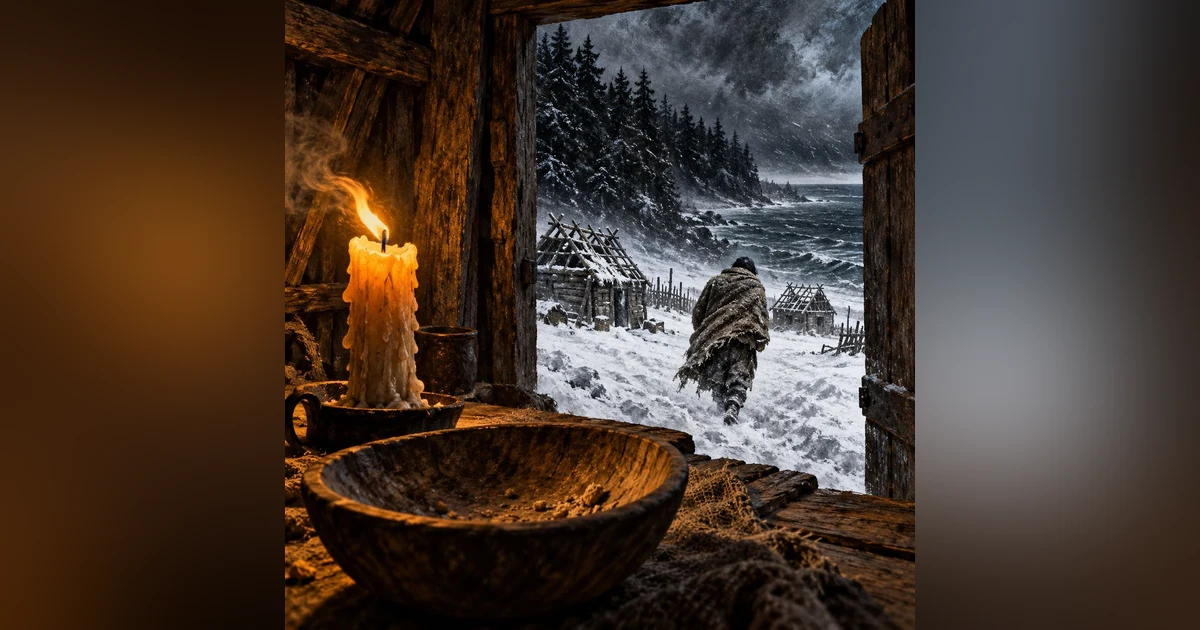
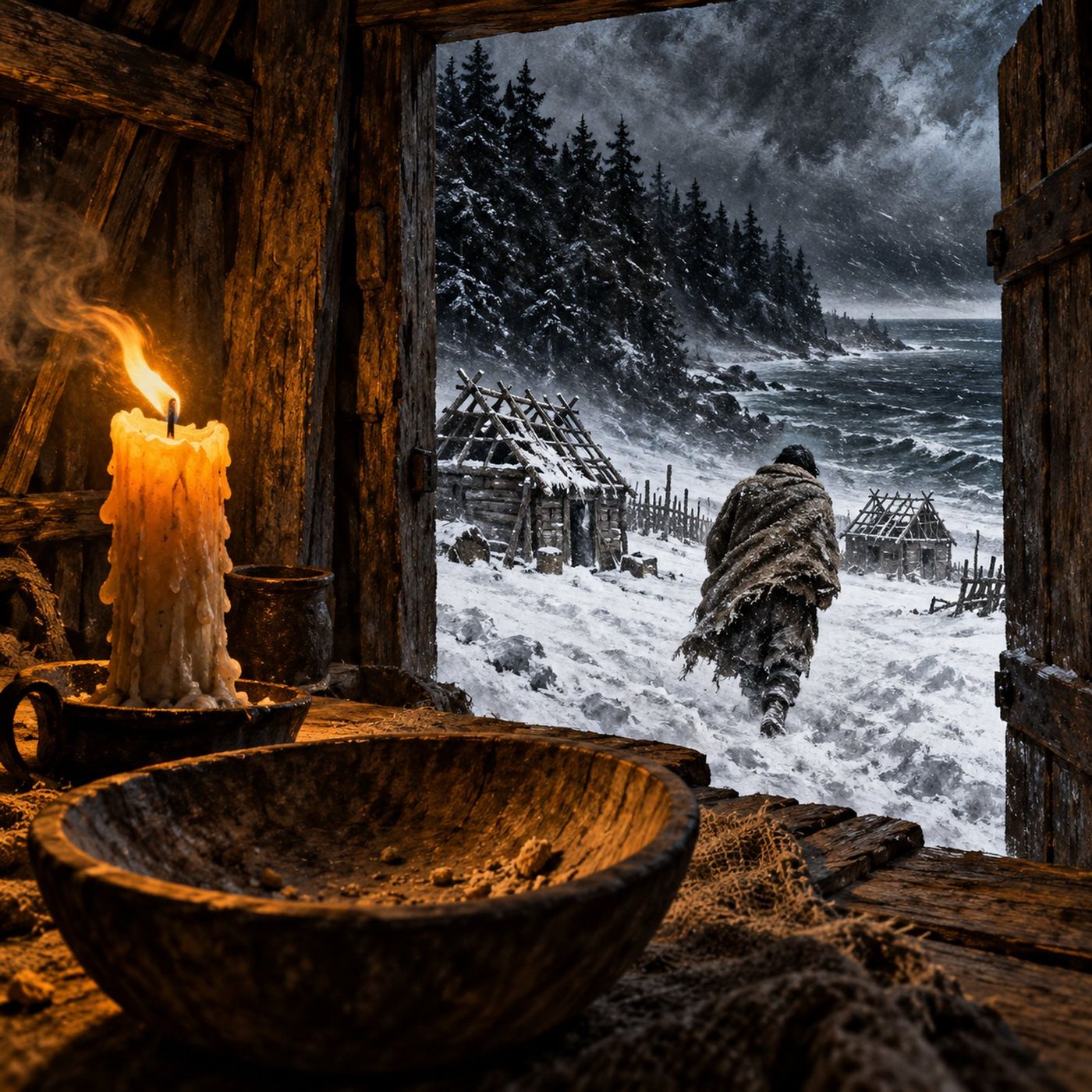
The First Thanksgiving wasn’t a cheerful myth—it was born from starvation, epidemic, and uneasy diplomacybetween the Wampanoag and the Pilgrims at Plymouth in 1620–1621.
In this Terrifying & True deep-dive, we peel back comforting legend to confront the Great Dying, the stark winter that followed the Mayflower landfall, and the fragile accord brokered through Samoset, Squanto, and Massasoit. We unpack the mutual-defense treaty, the practical lifelines of corn, fish, and eels, the political subtext of the harvest feast, and the violence that erupted at Wessagusset—shattering illusions of lasting peace and exposing the cost paid by the people who were already here.
Inside this episode:
- Before the feast: The Great Dying, empty villages, and a winter of hunger.
- First contact: Samoset’s greeting, Squanto’s lifesaving know-how, and Massasoit’s calculus.
- Terms of survival: The treaty, visits, disarmament, and why both sides accepted the risk.
- The three-day “thanksgiving”: Hunting, politics, and grief at the same table.
- Wessagusset turns deadly: Tension, betrayal, and brutal spectacle on a palisade.
- Myth vs. memory: How a story of survival became a national legend—and what it leaves out.
If you want true history—uncomfortable, meticulously told, and eerily human—this is the real story behind the holiday. We’re telling that story tonight.
Get comfy, my spookies! 41% off at https://cozyearth.com/discount... with code SPOOKY — supports the show!
🎧 LISTEN NOW and subscribe for spine-tingling horror stories every week!
🎉 Unlock exclusive bonus episodes and support the show on Patreon!
👉 WeeklySpooky.com/Join
📬 Contact Us / Submit Your Horror Story!
- Twitter: @WeeklySpooky
- Facebook: facebook.com/WeeklySpooky
- Email: WeeklySpooky@gmail.com
🎵 Music by Ray Mattis 👉 Check out Ray’s incredible work here !
👨💼 Executive Producers: Rob Fields, Bobbletopia.com
🎥 Produced by: Daniel Wilder
🌐 Explore more terrifying tales at: WeeklySpooky.com
0:04 Not a feast of plenty, but a feast of survival. Sixteen twenty one, Hunger, plague and a fragile pact between the wampano and the pilgrim. Tonight, we follow the smoke to the truth survival first, politics second, and peace. Hanging by a thread. What you were about to pit you is beve to be money based on witness accounts, testamaties, and public record. This is terrifying and truth truth. A very special thank you to cozyearth dot com for answering Tonight's show. Headcozyearth dot com and use promo code spooky for forty one percent off your first order featuring the most comfortable bedding, loungewear and my favorite bathrobes. Every purchase supports the show, So headdocozyearth dot com and use code spooky.
1:22 Imagine Plymouth, Colony, New England, sixteen twenty one. A battered outpost clings to a wind struck shore to the west. The Wampanoe, reeling from a devastating epidemic, measure a perilous choice coexist or catastrophe. From the tree line, A stranger steps forward and speaks plain English. His name is Samoset, and with him comes Squanto Massasoit and a pact written in careful clauses and cautious glances. For three days they share food and vigilance. What later becomes legend as a Thanksgiving is in truth a table set with politics, grief and survival, the winter that killed, the treaty that held, and the fragile peace that could not. Tonight we look at the hard truths of the time of the First Thanksgiving.
2:43 November sixteen twenty, after ten weeks at sea aboard the Mayflower, a band of English religious dissenters later known as the Pilgrims, at last set foot on what is now the coast of Massachusetts. They discovered a quote hideous and desolate wilderness full of wild beasts and wild men. No friendly villages nor fields ready for sowing greeted them only the oncoming fury of a new England winter. Stranded far north of their intended destination, the Pilgrims were woefully unprepared for the cold.
3:32 They looked out over a frozen landscape of bare trees and stunted brush, with a growing scents of dread. Behind them lay the Atlantic, an oceanic barrier to the world they had left before them, shadowed forests and uncertainty. From the very beginning, survival was terrifyingly uncertain. Hunger gnawed constantly at the settlers. Their meager diet shrank to scraps, spoiled ship's biscuits, dried peas, strips of cod, even boiled acorns and ground nuts when they could find nothing better. Fresh Water was also scarce among the salty Marshes, and thirst tormented them just as much as hunger. On one desperate march, finding a clear pond was said to be pleasant as wine to the parched men. As supplies dwindled, each pilgrim's daily ration became pitiful. Some days there was no food at all, and men staggered in weakness as they labored to build shelters. William B. Bradford later recalled that had
5:02 not an accidental discovery of a store of wild corn quote a special providence of God saved them, they might have starved. Disease compounded their misery. Without proper housing, and weakened by malnutrition, illness swept through the camp. Scurvy and pneumonia took hold in that cruel winter of sixteen twenty through sixteen twenty one. Bradford later lamented that in quote two or three months time, half of their company had died, So as there died, sometimes two or three a day.
5:49 Fresh mounds of earth appeared with grim regularity in the frozen ground. Often the dead were buried hastily at night in unmarked graves, their shrouds helping to quote bury are dead in darkness, shielding the depth of the disaster from any onlookers. The pilgrims feared that if the local native people had seen how many had perished, they would know just how vulnerable the colony truly was. So day by day they hid their despair behind the facade of normalcy.
6:35 Inside Plymouth's crude huts, scenes of suffering multiplied. Feverish men and women huddled under threadbare blankets as cutting winds whistled through the gaps in the walls. According to one account, only six or seven sound persons remained fit enough to care for the dying, who spared no pains night or day to bathe fevered brows, wash dirty linens, and pray incessantly. When deaths outpaced their ability to bury them, the settlers simply wrapped the bodies in cloth and laid them on the cold ground. These devout Christians, who had crossed an ocean seeking religious freedom, began to wonder if instead they had found divine wrath. Bradford wrote that the pilgrims were quote ready to perish in this wilderness, kept alive only by the spirit of God and his grace. In their darkest hours, they truly believed that only God's providence stood between them and oblivion. All the while, the Pilgrims felt eyes on them from the woods. Native figures were glimpsed
8:08 at the forest's edge, skulking about them. According to Bradford, the colonists had no idea whether these sightings meant friendship or threat. Once tools left in the fields were quietly stolen, every rustle in the night made hearts pound. In truth, the only clue the settlers had about the local people was grim. When the Mayflower scouts explored the shores a year earlier, they found abandoned native houses, empty corn caches, and bleached bones piled in the woods. The ground on which Plymouth Colony would rise had once been patuxt a Wampannoegg village, now entirely empty, a vast graveyard. Unbeknownst to the pilgrims, the land they settled had been freshly ravaged by a catastrophe. Between sixteen sixteen and sixteen nineteen, a mysterious epidemic swept through coastal New England, annihilating entire communities of the Wampannoegg and their neighbors. Historians would later call
9:43 it the Great Dying. The toll was unimaginable. In some villages, ninety percent of people died. An English chronicler wrote that whole towns were depopulated. The living were not able to bury the dead, leaving skeletons lying above ground for years. The stench of death hung over the forests. Thomas Morton, an English settler, described walking through what seemed like a new found golgatha of bones and skulls. In some native houses, bodies lay where families had perished, no one left to bury them. The Wampanoag people, who had lived in these lands for generations, were reeling from this catastrophe. We now believe the plague was probably caused by leptospirosis or another European disease, a pathogen unknowingly brought ashore. By European fishermen and traders. Whatever the microbe, the native population was virgin soil for infection and utterly devastated. Patuxit soon to be Plymouth was especially hit hard. When Squanto finally found his
11:16 way back home in sixteen nineteen, after years abroad, he discovered his entire village empty and dead. He was literally the last of the patux It. The Wampanoagsachum Massasoit's world lay in ruins. His confederacy had once been strong, but after sixteen nineteen it was shattered. Hundreds of his people were dead, and rival tribes now encroached to the west. The narrow Gansett had mostly escaped the worst of the plague and even demanded true from the weakened Wampanoag. By sixteen twenty, the balance of power in the region had flipped.
12:10 Massasoit faced chaos. Centuries of tradition, upended alliances, frayed enemies at every turn. It's hard to imagine the dread among the Wampanoagg elders. Some likely wondered if their gods or nature itself were punishing them. Some later voiced the belief that this was quote by God's visitation a wonderful plague that had cleared the way for the English, a sentiment echoed by Bradford and the Pilgrims, who thanked Providence that the land was empty for the taking. But to the Wampanoag, this was no empty land. It was a vast burial ground.
13:03 They lived daily with the memory of how swiftly death could come. Massasoit needed to ensure his people's survival. When news reached him of a small group of English struggling at Peduxit or Plymouth, he faced a fateful choice. These strangers flew the same flag and professed the same faith as the traders who had brought the plague. Should he regard them as potential allies now equipped with muskets and iron tools, or as another threat to be eliminated while his nation was still weak. In early sixteen twenty one, Massasoit watched and waited. His scouts reported that winter had nearly killed all of the English. A single attack might now finish the Pilgrims. Yet Massasoit hesitated. He understood that an alliance, however strange, could serve his people's interests. The newcomers had guns, he did not. They too feared the Narragansett, and they were few, perhaps manageable, so Massasoit restrained himself.
14:35 Both sides eyed each other warily through the frost covered woods, but the stalemate would soon break. The first direct encounter between the Pilgrims and the local natives was a shock to both sides. On March sixteenth, sixteen twenty one, a lone native man strode boldly into the half built village and greeted them in English, Welcome Englishmen. Bradford later marveled at the scene. The man was Samoset, a sagamore of the Abenaki from Maine. Barely clad against the chill, he walked in as casually as any neighbor. Alarmed the settlers raised their muskets, Samoset lifted a placating hand and repeated the greeting in halting English learned from fishermen. He even named some ship captains. The Pilgrims, who had braced themselves to meet a fierce savage, were astonished to meet someone who asked only for beer and bread. Samoset's calm friendliness, even as he sampled their strong ale, immediately eased tension.
16:04 The settlers crowded around him in the dim candlelit common house, listening with relief and curiosity to his broken English, while outside the dark woods still loomed. In the hours that followed, Samoset shared invaluable information through a mix of English words and gestures. He confirmed the colonist's worst fears. The land beneath Plymouth was indeed ptuxed, and its inhabitants died in a great plague. Not long since none left to live there.
16:56 The cornfields were already cleared for planting. Samoset told them the local nation was the Wampanoeg, led by Massasoit, and pointed out their neighbours, the Nauset to the east, who recently fired arrows at Plymouth's scouts, and the Narragansett to the west, a powerful tribe untouched by the plague. This intelligence was crucial. The pilgrims gave Samoset food and drink. He accepted gratefully and quickly made himself at home. That night, he stayed in the settler's company by the fireside, sleeping in the common house. One can imagine the pilgrims, anxious and weary, gathered by Samoset under the lantern glow, a bridge spanning two worlds on the edge of the wilderness.
17:56 True to his word, Samoset soon returned, bringing another native guide to Squantum, known to the English as Squanto. Squanto's story was remarkable, almost too improbable to be believed. A patux at Wampanoag, he had been kidnapped by an English captain in sixteen fourteen, sold into slavery in Spain, rescued by friars, taken to England, and finally sent home in sixteen nineteen. He was literally the last of the patux It, but Squanto spoke their language and understood their customs. The settlers were astounded. Bradford later called Squanto a special instrument sent of God for their good. Beyond their expectation, the Pilgrims took him into their settlement. Squanto taught them how to sow corn, the nameative way, burying fish with the kernels as fertilizer. He guided them to eel beds, pointed out which berries and herbs were edible, and led them in fur trading expeditions. In short, Squanto became their lifeline.
19:19 One early settler wrote that Squanto never left them till he died. Serving as pilot, translator, and teacher during their most desperate of months. Squanto's dual identity made him both indispensable and uneasy to both sides. To the Pilgrims, he was a godsend. To Massasoit, he was a subject of his who had seen too much of the English world. Squanto certainly helped the two cultures to communicate, but he also sewed doubt Bradford's Journal's hint at trouble ahead. Squanto supposedly claimed that the English hid the secret of the plague and only he could protect his people, thus inflating his own importance. Massasoit grew suspicious, but in March of sixteen twenty one, those tensions still lay in the future.
20:28 For now, Squanto and Samoset stood as ambassadors, linking Plymouth with the Wampanoac, setting the stage for what came next. On a day in late March of sixteen twenty one, Sachem Massasoit arrived to meet the Pilgrims, a moment on which the colony's fate truly hinged. The scene was tense and formal. Massasoit came with about sixty of his warriors, including his brother Quadaquina and counselors. The Pilgrims, in turn prepared a cautious welcome at a small brook on the settlement's edge. Edward Winslow stepped out, carrying gifts a pair of knives and a copper necklace, and crossed over to greet Massasoit. Unarmed, Winslow even stooped to kiss the Sachem's hand.
21:34 Massasoit sampled a cup of strong liquor Winslow had brought, and promptly coughed, unused to its strength. The gesture of respect broke the ice. Massasoit, a dignified man of few words, now examined the gaunt colonists with curiosity. With Squanto and Samoset translating, they began cautious introductions. Soon after Massasoat entered Plymouth itself. He left most of his warriors at a distance and came only with a small party, carrying no weapons, a clear sign of good will. The Pilgrims mirrored this by setting aside their muskets. During the meeting, all sat on the ground in a circle inside an unfinished cabin, forming a curious assembly of armed men, wary yet open.
22:39 According to accounts, the two sides agreed to a formal treaty, essentially a mutual defense pact. Both parties promised not to harm each other. The terms as recorded were straightforward no harm. Neither Massasoit's people, norf or the English would injure or do hurt to the other. Justice. If any Wampanoagg harmed an Englishman, the offender would be sent to Plymouth for justice, and vice versa. Restitution stolen goods would be returned. Each side would do the like to his mutual defense. If any nation unjustly warred against Massasoit, the Pilgrims would aid him.
23:35 If anyone attacked the Pilgrims, Massasoit would help them. Ally coordination, Massasoit would inform neighboring tribes of the pact so that they might not wrong the English disarming in visits. Whenever Wampanoagg visited Plymouth, they would leave their bows in airsroes behind, and likewise the English would go unarmed when visiting the Wampanaag. This treaty was remarkable for its reciproocity. It treated both sides as sovereign allies, pledging friendship. In effect, it created a defensive alliance. The Pilgrims, so few and feeble, desperately needed such a pact. Massasoit, politically weak after the plague, sought powerful friends. He even remarked that the English quote had now delivered their own selves, for they were too weak to stand alone. As one scholar observes, the Wampagnaag welcomed the new English settlement and sought an alliance with them, precisely because the Narraganset threat still loomed. The Narraganset, for their would soon see this alliance as a direct threat to their influence. After the treaty was sealed, both sides
25:15 tried to show goodwill. The Pilgrims, though still low on supplies, set before their guests whatever food they had salted fish, dried peas, and cornmeal loaves. The Wampanoag responded with dances and friendly gestures. Winslow wrote that quote, many of the Indians came amongst us and their great King, Massasoit, with some ninety men, whom for three days we entertained and feasted. Relief was in the air. Before departing, Massasoit formally saluted Governor Carver and the Pilgrim leaders won in englishmen would later note that this peace hath now continued for twenty four years, a comment of hope. Indeed, the alliance would hold by and large for years to come. Still, even in those first days, it was understood that peace was fragile.
26:23 Bradford succeeded Carver as governor soon after, and kept a careful watch. Both sides had seen too much death to trust easily. The Pilgrims remained cautious when venturing into the woods or trading, and Massasoit kept the English within sight until sure of their intentions. But at least there was a flicker of hope. The settlers could now fish and hunt without expecting ambush at every turn. The Wampanoag could trade with Plymouth without fear of being shot. For the moment, the specter of immediate violence had lifted. The summer of sixteen twenty one brought sunshine and hard labor, and miraculously a first harvest. With Squanto's guidance, the Pilgrims planted about twenty acres of corn, a crop alien to them, but one ideally suited to New England soil. They also sowed some English grains, wheat, barley, and peas with mixed success.
27:38 Gradually their lives steadied. They learned to fish the abundant coast, to dig clams from tidal flats, and to net spring herring in the rivers. In the woods, they foraged for blueberries, cranberries, nuts, and herbs. By autumn, it seemed nature was finally smiling down on Plymouth. Their first corn crop yielded enough to sew next year and store for winter. Bradford wrote that by September quote, we had all things in good plenty, and that birds began to fill their larders all the summer there was no want, and now began to come in store of foul great store of wild turkeys. For the first time since landing, the settlers were not in a daily fight against starvation. Seeing their bounty, the colonists decided to celebrate. They would not have called it Thanksgiving at the time. To them, that implied a day of prayer, but it was a harvest feast. Bradford later explained that the governor quote sent four men on fowling that so oh, we might, after a special manner, rejoice together after we had gathered the fruit of our labors. The hunters returned
29:09 with a great number of birds as much foul as served the company almost a week. They likely brought back ducks, geese, and maybe swans. The Pilgrims roasted these birds with whatever spices they had, and prepared stews of corn meal and pumpkin or squash. It wasn't lavish, sugar laden meal of later legends, but after the hungry months, it was a feast of fresh meat and grain, a true luxury, not gluttony. That feast drew an unexpected guest, Massasoit himself. The noise of the hunt and the smoke of cooking fires must have reached Suddenly he appeared at Plymouth with about ninety of his warriors, hungry and curious. The Pilgrims, if surprised by the armed arrival, gave no sign. They welcomed their Wampanoag allies and included them in the celebrations. This became the heart of the famous first Thanksgiving image, English and Native people breaking bread together. The Wampanoag were not passive when they saw the settlers meat supply dwindling. Massasoits sent out hunters of his own. They returned with five fat
30:41 deer and ceremoniously presented them to Governor Bradford, Captain Standish, and others. These deer were roasted over the fire, adding rich venison to the table. One can only imagine the immense relief and come right as the colonists and warriors feasted together over the open flames for three days. The two peoples ate, drank, and enjoyed each other's company. The Pilgrims demonstrated their muskets in shooting drills. The Wampa Noag likely did archery contests or performed dances. Later traditions suggest there may have been foot races or even wrestling matches, activities common to both cultures. There was laughter, hand signs, broken English, and maybe a few learned native words. Children.
31:41 Those few who had survived the first winter likely ran and played on the sidelines. Wampa Noag women, undoubtedly present among the ninety men, would help tend the fires and prepare dishes alongside their Pilgrim counterparts. Was thick with wood smoke and the savory aroma of roasting meats and breads. It was, by all accounts, a joyous pause in their long struggle. Winslow wrote to his friends in England that quote, by the goodness of God, we are so far from want that we often wish you partakers of our plenty.
32:24 The sentiment was genuine. After so much deprivation, this bounty felt miraculous. Yet it must be emphasized that this was not a utopian banquet of unending peace. It was as much a political gathering as a celebration Massasoit's attendants, with ninety armed men, underscored the alliance and his power. Had relations been unfriendly, such a show of force could have turned deadly. Pilgrims, however, interpreted it as a sign of friendship.
33:06 Both sides were still appraising the other. Remember, Plymouth then had only twenty able bodied men, a handful of women. Most of the Pilgrim women had died the winter before, and roughly twenty children. The Wampanoag present outnumbered them nearly two to one. If hostility had flared, the feast could have easily become a massacre. But it didn't. Tentative trust held a dark, albeit poignant truth. Many were missing from that table. Over half of the Mayflower company lay in graves on the hill, unmarked and coal. Many Wampanoag families had been so devastated by plague that they had no kin at all to attend. Many of Massasoit's men perhaps silently mourned their lost relatives as the pots simmered. In that sense, the sixteen twenty one harvest gathering was not merry innocence, but hard won survival. These survivors, English and Wampanoag alike were celebrating life itself, dearly won at an
34:38 unthinkable cost. In that sense, it truly was a thanksgiving, a humble gratitude that for now they had managed to live through the worst. After three days, the Wampanoag packed up and returned home, and the Pilgrims settled in for a long winter. Neither side believed that future generations would mythologize this meeting as the start of a timeless friendship. They knew better. They had already had conflicts. Weeks earlier, a pilgrim boy had nearly been shot by a Nauset arrow, and they fully expected more clashes to come. But for sixteen twenty one, at least, the specter of violence had lifted.
35:35 In fact, Governor Bradford didn't even record the feast in the colony's journal. To him, it was just another harvest festival with friendly guests. One of many such occasions needed to cement the alliance. It was only Edward Winslow's letter home that preserved the account for history. Winslow cheerfully noted that the Indians have been all so kind and faithful to us, and that there is now great peace amongst the Indians themselves, which was not formerly, neither would have been but for us. He implied that the English presence had somehow calmed inter tribal strife. The reality was far more complicated. Dark clouds were already gathering beyond the horizon of this fragile peace. After the brief harmony of sixteen twenty one, new trials arose. In November of that year, the ship Fortune arrived, carrying thirty seven new colonists, mostly young men, but it brought almost no supplies. Over night, the mouth to feed in Plymouth nearly doubled. By spring of sixteen twenty two, the colony was again on the
37:08 brink of starvation, rationing corn by the kernel. The Wampanoag Alliance held Massasoit's people shared deer and fish when they could, but the Pilgrims were learning how precarious frontier trust could be. In early sixteen twenty two, trouble came from the west. The Narragansett sachem Kennichus, uneasy about the English Wona Poag friendship, sent the Plymouth settlers a rattlesnake skin filled with arrows, the native symbol of war. Bradford's response was bold. He filled the rattlesnake pouch with gunpowder and musket balls and sent it back. The Narraganset, who had never seen gunpowder up close, were reportedly mystified as well as intimidated. To them, this snake skin, stuffed with quote thunder and lightning was a clear counter threat. Legend holds that Cannachus was frightened into backing down for the moment. Indeed, soon the Narraganset themselves were distracted by wars with other tribes. By the time they could turn their attention back, Plymouth was more numerous and fortified, and another wave of English, the Puritans of Massachusetts Bay Colony, had arrived in New England. Fate
38:43 and a bit of a bluff had spared Plymouth from annihilation in sixteen twenty two. Still, the rattlesnake episode had rattled Plymouth's nerves. The settlers hastily built a stout log fort on the hill and set up constant watches. Each night, they shut the wooden palisade gate and posted guards with loaded muskets, eyes and ears straining into the darkness. The knowledge that the thousand strong Narrowganset lurked somewhere in the forests created an atmosphere of constant unease inside their cabins.
39:27 Families surely prayed with renewed fervor, likening themselves to Israelites among the Canaanites, needing divine deliverance from surrounding foes. By day, the colonists tried to project confidence, as Bradford's daring reply had shown. By night, every crackle in the woods made hearts skip a beat. As if that weren't enough, a new complication arived on Plymouth's doorstep unruly Englishmen who did not share the Pilgrim's ideals. A London merchant named Thomas Weston had sponsored a separate settlement at Wessagusst, near modern Weymouth, about thirty miles north. In sixteen twenty two. About sixty of Weston's adventurers arrived, ill prepared and unorganized. They quickly offended the local Massachusetts tribe by stealing corn and provisions.
40:37 When they ran short. Governor Bradford was mortified to learn that these newcomers had raided Indian storehouses, cheated local Indians, and shattered the goodwill Plymouth had built. By early sixteen twenty three, Wessegusst was in chaos, its men near starvation, even reportedly talking of cannibalism. The situation begged for disaster. In March of sixteen twenty three, tensions finally erupted. The Massachusetts tribe, perhaps led by Sachem Obtakiist, plotted to kill the Wessegusst settlers and simultaneously strike Plymouth, assuming the colonists would retaliate in panic. Massasoit, however, learned of this scheme through his scouts. The sachem, who disliked Weston's greedy colonists, nevertheless, did not want his English allies killed. At the same time, Massasoit himself fell gravely ill on the verge of death.
41:59 Governor bred Bradford dispatched Edward Winslow to visit the sick sachem with medicinal broths and comfort, a gesture of goodwill. Squanto's intercession must have helped for Massasoit recovered. Grateful, he told Bradford quote, now I see the English are my friends and love me, and whilst I live, I will never forget this kindness. True to his word, Massasoit then revealed the brewing conspiracy and urged Plymouth to act first before the attack came. Faced with this grim warning, the Pilgrims had a terrible choice, stand and hope to survive in ambush or strike first to head it off. They chose the latter. Captain Miles Standish, the colony's hot tempered military leader, a short man with a fierce reputation, assembled a small strike force he prepared to sail north to Wessegusst under the guise of trade and diplomacy, intent on violence that he knew would stain the colonies very soul, Captain Standish hand picked eight trustworthy men and quietly sailed to Wessgussut in late March of sixteen twenty three. Arriving
43:32 under the pretense of peaceful trade, Standish found Weston's colony in sorry shape. Quote in a miserable condition, Bradford writes, half starved, terrorized, and on the brink of collapse. Near by Massachusetts warriors waited and plotted, pretending to be friendly while planning murder. Standish assessed the situation and devised a brutal plan. He would invite the key conspirators to dine under his roof, then strike swiftly inside the locked house.
44:13 If he could catch them off guard, maybe the settlers could kill them before any alarm. Tension crackled in the air on those days. The Wampanoac guide named Hobbamock with Standish overheard whispers among the Massachusetts men. They seemed to know trouble was coming. One warrior, Pecksuat, openly taunted Standish himself. Pexuat was a large, fierce man, and he jeered at Standish's short stature quote, you are a great captain, yet you are but a little man. I am a man of great strength and courage. He sneered, rapping his long double edged knife Withituwamat. Another leader boasted of past killings of Europeans and mocked the colonists for crying out when injured.
45:14 These men were no strangers to violence, and they provoked Standish mercilessly. Standish, though burning inside, held back. He knew the time to strike was near. Finally the moment came. Standish invited Pecksuat, Withuamat and two other braves into a small house within the stockade under a flag of truce. Once the door was closed behind them, Standish sprang his trap. He lunged at Peksuat, grabbing the warrior's own knife and plunging it into him. Chaos erupted. Standish grappled with Pecksuat, slashing wildly as they fell into furniture of their Englishmen in the room, attacked Wituamat and the second warrior with swords and daggers. It became a slaughter. Pexuat fought back ferociously to the end, even as blood gushed from his wounds. Eventually, Standish's strikes overcame him. Pexuat fell in a pool of blood.
46:28 Wituwamat and the other warriors were also cut down. The floorboards ran red. Remarkably, even in death, Peksuat and Wittuamat showed no fear. Winslow notes they received many wounds before they died, not making any fearful noise, but catching at their weapons and striving to last. Hobamock, watching from the corner simply knotted grim At Standish's murderous efficiency outside. Unsuspecting Massachusetts warriors camped nearby, and they had no idea the ambush had occurred. Standish knew if any escaped, they would spread alarm. He signaled the settlers to drag in any natives left inside. Two more Massachusetts men were slained on the spot, and one escaped into the woods, raising the alarm in other villages. Standish then performed the gruesome task.
47:39 He severed with Tuamat's head and carried it back to Plymouth. He had the skull mounted on a wooden spike atop the fort's palisade. There the grinning trophy stared out over the land, a horrifying warning to any Native who might dare attack. When the bloody work was done, Standish sailed home. The surviving Wessegussett colonists. Shaken to their cores, they all agreed to abandon the settlement entirely. Some boarded ships headed to England, a few begged to join Plymouth. Standish escorted those refugees south, even sharing corn for their journey and bringing some into the colonies fold. That April of sixteen twenty three, Captain Standish arrived back in Plymouth with but Tuwamat severed head on the fort wall. The colony had managed to survive another existential threat. The chroniclers wrote of it in tones of grim resolution. They noted the Massachusetts warriors fled in terror, forsaking their houses, living like men, distracted Plymouth's alliance with Massasoits stood. In fact, the Wampanoag
49:15 were relieved their enemies had been dealt a decisive blow. But one stark truth had emerged. The idyllic image of Pilgrims and Indians in eternal peace had been shattered by one night's savagery. The colonists, though victorious, now lived behind fortified walls. They kept vigilant watches at night. Every rustle in the woods sent hearts racing. For months, even commerce suffered. Many neighboring tribes, even those friendly to the English, were appalled by this treachery against Ghas the flow of furs to Plymouth dried up as natives kept their distance, Bradford had to spend effort reassuring chiefs like Cannochists that Standish's raid was a desperate, one time act, not the start of a war on all natives. But once trust was broken, it was hard to repair. Standish's attack was Plymouth's first large scale violence, and it weighed on the colonist's consciences.
50:36 These were deeply religious people who believed in thou shalt not kill, and they did not spill blood lightly. Even Standish himself must have felt some spiritual burden. There's a tale that in July of sixteen twenty three, at Plymouth's next official day of thanksgiving for relief from a d which tu Womat's rotting head was still mounted on the fort wall. When Governor Bradford remarried that summer, his first wife had drowned in sixteen twenty he reportedly insisted the gruesome trophy remain in place, a startling statement of determination.
51:23 One of the wedding guests was Massasoit himself. Relations with the wampanoagg had stayed relatively friendly. One can only imagine what Massasoit thought seeing the skull of his enemy above the colonists. He likely felt a grim sense of satisfaction, evidence that English friendship came with the price of violence. By late sixteen twenty three, the story of Plymouth was no longer one of simple thanksgiving and fellowship. It had become a story of survival at all costs, of uneasy peace held together in part by fear. The fragile Treaty of sixteen twenty one still stood. It may even have been reinforced Massasoit needed the English more than ever. Now that the Massachusetts tribe was cowed, and the English, having proved themselves battle hardened, clearly impressed, the wampanoag No tribe attacked Plymouth in retaliation. In fact, the Narragansett, upon hearing how Standish had butchered the Massachusetts plotters, wisely kept to their own affairs. In that sense, Standish's brutality had brought the colony years of security, but the innocence of the
52:54 pilgrims was gone. They had come from England seeking a life of prayer and peace. Instead, they found that peace was fragile and sometimes had to be enforced at sword point. Bradford's later writings carry a somber tone. He praised God for delivering them from plots and treacheries of the Indians, but sorrow underlies those words. When news of the wesse A Gussett killings reached their pastor John Robinson in Holland. He cautioned Bradford that quote blood cannot be wiped away by blood, urging mercy even to enemies. Bradford defended their decision, but it was clear he did so without enthusiasm. These were people who believed in the Bible's commandment. Yet here they were with a native chief's head on a pole.
53:57 By night they must have knelt if they had done God's will or simply acted out of fear? And what of the Wampanoegg. For Massasoit's people, the simple view of the English as harmless friends was shattered. They now saw that beyond Plymouth's kindness lay ruthless potential. Henceforth peace would be maintained not just by good will, but by mutual fear. The English had shown themselves capable of brutal vengeance. A balance of terror had entered their relationship. Looking ahead, we know with hindsight that this fragile peace would later unravel.
54:46 After Massasoit's death, his son Metacon would lead the Wampanoag in a desperate war against New England in sixteen seventy five. Perhaps the seeds of that very conflict were planted in these early years of mistrust and violence for now, though in sixteen twenty three, Plymouth stood battered but alive. In the ensuing years, the colony even began to prosper. New settlers arrived, more houses were built, crops improved, and trade in furs and fish brought some income. The horrors of that first winter and the specter of annihilation slowly faded into memory. Every autumn, the pilgrims remembered how fortunate they were to be alive. In sixteen twenty three, after timely rains ended a summer drought, they held the aforementioned day of Thanksgiving to God, followed by another modest harvest feast, this time without any want. The Panoag guests a telling omission.
56:04 The warmth of sixteen twenty one had cooled. As years turned to decades, a cautious coexistence defined Plymouth Wampanoag relations. Massasoit remained a stalwart ally to the colony until his death around sixteen sixty. He kept most of his people from joining anti English wars, and even warned Plymouth of danger whenever he could. Remarkably, his sixteen twenty one treaty was honoured for over fifty years of official peace, yet it remained a fragile piece, underscored by all that was left unsaid. The English and Wampanoag dealt with each other with civility, trading and negotiating, but never fully trusted one another or blended their communities. Plymouth never again invited the Wampagnoag to a joint Thanksgiving feast as they had in sixteen twenty one. That silence was as telling as any treaty.
57:22 As we conclude this unsettling tale of the real first Thanksgiving era, we must reflect on what it means to give thanks amid darkness. The story of Plymouth in sixteen twenty through sixteen twenty three is not a simple moral tale of noble pilgrims and obliging Indians. It is a human story, filled with hope and fear, generosity and cruelty, life and death in almost equal measure. On that knife's edge, people from two worlds found moments of genuine fellowship, a shared meal, a life saving kindness, even as the specter of violence and betrayal loomed. When we strip away the comforting myth, what remains is a profound recognition that gratitude itself was an act of courage. At their sixteen twenty one feast, the Pilgrims bowed their heads, fully aware of the graves behind them and the uncertain days ahead. The Wampanoag who sat beside them had their own prayers, perhaps silent, thankful for this moment of friendship, even as tomorrow was unknown.
58:53 They were thankful not for abundance or security they had little of either, but for survival itself, for the very fact that they were together under the same sky after so much loss. For small miracles like a healed child, or a successful harvest from barren soil, or a peaceful night without an attack. The tone of those times was often grim. Death was a constant visitor, desperation a frequent companion. Both Pilgrim and Wampanoag elders might have gazed into the fire on cold November nights and wondered, are we cursed or chosen? Why did so many die so that we might live in a world where every sunrise could be our last. To simply see the sunrise at all was reason enough for gratitude. So what is the real legacy of that first Thanksgiving? When the story isn't sugarcoated. Perhaps it is this quiet truth. Even in the face of starvation and plague, people helped each other, Squanto teaching the Pilgrims to plant corn, the Pilgrims nursing Massasoit back to health.
1:00:25 Even under the threat of extinction, people reached out in peace, Like when Massasoit in the Pilgrims forged a pact to save their communities, And even after violence and bloodshed, some shred of decency remain, perhaps remorseful. The Pilgrims never struck again at Massasoit, and he never lifted his hand against them. In a world of mutual mistrust, they kept faith, fragile and color implicated, but faith none the less. As this tale ends, picture the autumn of sixteen twenty three, the harvest is done. A few colonists stand on the fort hill beneath a grisly reminder of war, Wittuwamat's skull perched on the palisade, gazing westward into wampanoagg lands. Somewhere out there, Massasoit's people are also settling in for the night. Perhaps on such an evening, no musket is fired and no arrow is loosed in vengeance. Perhaps far off, one can almost hear a Wampanoag chant or an English psalm blending in the dusk, each side giving thanks in their own
1:01:56 way for to day, at least there is peace. The story of the First Thanksgiving reminds us that peace is fragile, prosperity can be fleeting, but human resilience is extraordinary. The Pilgrims and the Wampanoac endured unspeakable losses, yet both found ways to adapt, to hope, and even to celebrate together in the face of death. They chose life, and that alone is something to be thankful for, not in a naive, sugar coated way, but deeply and solemnly thankful for survival, thankful for courage, thankful for the mere possibility of coexistence against all odds. So when we think of that thanksgiving, let us remember the empty chairs at the sixteen twenty one table, the fallen colonists, and the parish natives whose absence was felt by all. Let us honor them by cherishing the gift of life and peace we have now.
1:03:20 The true history is not simple, but it means all the more because it was hard won. Bradford himself paraphrased the psalms to capture this very truth that God quote filled the hungry with good things even in the wilderness. In the end, survival, resilience, and fragile coexistence were the true blessings of that first Thanksgiving era. That legacy endures, urging us to give thanks not for fairy tales, but for the remarkable strength of ordinary people who, in a very dark time, kept the light of humanity flickering. Terrifying and True is narrated by Enrique Kuto. It's executive produced by Rob Fields and bobble Toopia dot com and produced by Dan Wilder, with original theme music by Ray Mattis.
1:04:24 If you have a story you think we should cover on Terrifying and True, send us an email at Weekly Spooky at gmail dot com, and if you want to support us for as little as one dollar a month, go to Weeklyspooky dot com slash Join. Your support for as little as one dollar a month keeps the show going. And speaking of I want to say an extra special thank you to our Patreon podcast boosters, folks who pay a little bit more to hear their name at the end of the show, and they are Johnny Nix Kate and Lulu, Jessica Fuller, Mike Scuey, Jenny Green, Amber Hansford, Karenwemet, Jack Ker, and Craig Cohen. Thank you all so much, and thank you for listening. We'll see you all right here next time. On Terrifying and True
