
Aug. 3, 2026

Terrifying & True | USS Indianapolis Sinking: Sharks, Survival and Captain McVay
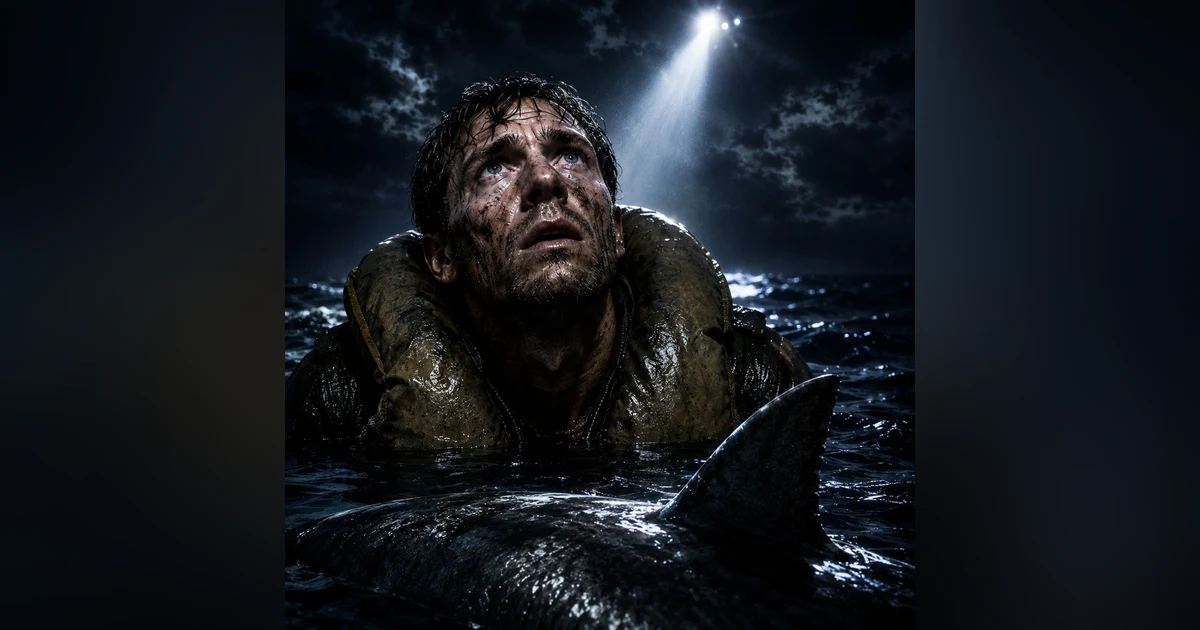
Terrifying & True | USS Indianapolis Sinking: Sharks, Survival and Captain McVay

Key Takeaways

  • The USS Indianapolis was sunk by a Japanese submarine on July 30, 1945, just days after completing a top-secret mission delivering atomic bomb components for Little Boy.
  • Out of the nearly twelve hundred men aboard, roughly nine hundred survived the initial twelve-minute sinking and entered the water.
  • Due to a catastrophic failure in the Navy's movement-reporting system, no rescue force was sent to look for the missing cruiser for over three days.
  • Survivors faced unimaginable horrors in the Philippine Sea, including severe dehydration, sun exposure, hallucinations, and relentless shark attacks.
  • Only 316 men were ultimately pulled from the water alive, making it one of the worst naval disasters in U.S. history.
  • Captain Charles McVay was unjustly court-martialed for the disaster, sparking a decades-long campaign to clear his name that culminated in his eventual exoneration.

The USS Indianapolis sinking remains one of the most devastating naval disasters of World War II. On July 30, 1945, Japanese submarine I-58 torpedoed the heavy cruiser in the Philippine Sea after it completed a secret mission delivering components for the Little Boy atomic bomb to Tinian.

Indianapolis sank in about twelve minutes. Nearly nine hundred sailors and Marines reached the water alive, but only 316 of the nearly twelve hundred people aboard survived. For more than three days, the survivors drifted across miles of open ocean with little food, almost no fresh water and failing life jackets. They endured burns, injuries, dehydration, hallucinations, exposure and real shark attacks whose exact death toll can never be known. No rescue force had been sent to find them. The Navy's movement-reporting system failed to recognize that an entire warship was missing, and patrol pilot Wilbur Gwinn discovered the survivors only after a faulty antenna drew him to a hatch above an enormous oil slick.

In this episode of Terrifying & True, we follow the secret atomic mission, the attack by Mochitsura Hashimoto's submarine, the twelve-minute sinking, the desperate work of men such as Lewis Haynes, Thomas Conway and Edward Parke, and the dangerous open-ocean landing by PBY pilot Robert Adrian Marks. We also examine the court-martial of Captain Charles McVay, the campaign to clear his name, the 2017 discovery of the wreck, and the way Quint's famous Jaws monologue transformed a complex institutional disaster into a shark legend.

Inside this episode:

  • USS Indianapolis and the secret Little Boy atomic bomb mission
  • Japanese submarine I-58 and commander Mochitsura Hashimoto
  • The twelve-minute sinking and nearly nine hundred men in the water
  • Sharks, dehydration, hallucinations and more than three days at sea
  • Wilbur Gwinn, Robert Marks and the accidental rescue
  • Captain Charles McVay's court-martial and eventual exoneration
  • How did a decorated American cruiser vanish between major bases without triggering an immediate search - and why did it take fifty-five years to correct the blame placed on its captain?


We're telling that story tonight.

🎧 LISTEN NOW and subscribe for spine-tingling horror stories every week!

πŸŽ‰ Unlock exclusive bonus episodes and support the show on Patreon!
πŸ‘‰ WeeklySpooky.com/Join

πŸ“¬ Contact Us / Submit Your Horror Story!

🎡 Music by Ray Mattis πŸ‘‰ Check out Ray’s incredible work here !
πŸ‘¨β€πŸ’Ό Executive Producers: Rob Fields, Bobbletopia.com
πŸŽ₯ Produced by: Daniel Wilder
🌐 Explore more terrifying tales at: WeeklySpooky.com

Frequently Asked Questions

What caused the sinking of the USS Indianapolis?

The USS Indianapolis was struck by two torpedoes fired by the Japanese submarine I-58, commanded by Mochitsura Hashimoto, in the early morning hours of July 30, 1945.

Why wasn't a rescue sent immediately after the USS Indianapolis went down?

The Navy's movement-reporting system failed to recognize that the cruiser was missing. Because tracking responsibilities were fragmented and paper records sank with the ship, no missing ship alert was triggered.

How long did survivors of the USS Indianapolis spend in the water?

The survivors drifted in the open ocean for more than three days, enduring extreme dehydration, exhaustion, and shark attacks before being accidentally discovered by a patrol plane on August 2, 1945.

How many men survived the sinking of the USS Indianapolis?

Out of the nearly 1,200 crew members and Marines on board, only 316 sailors survived the ordeal.

WEBVTT

1
00:00:01.199 --> 00:00:07.559
In twelve minutes, the USS Indianapolis vanished beneath the Philippine Sea.

2
00:00:08.560 --> 00:00:14.560
Nearly nine hundred men were left in the water, burned, thirsty,

3
00:00:14.880 --> 00:00:20.239
surrounded by sharks, and no rescue force even knew they

4
00:00:20.280 --> 00:00:24.399
were there. What followed was one of World War two's

5
00:00:24.800 --> 00:00:27.559
most horrifying survival stories.

6
00:00:30.600 --> 00:00:34.439
What you were about to pat is burnt to be

7
00:00:36.439 --> 00:00:44.119
based on witness accounts, testimonies, and public record. This is

8
00:00:45.960 --> 00:00:47.320
terrifying and.

9
00:00:55.320 --> 00:01:02.759
August second, nineteen forty five, Tenant Wilburg Win is three

10
00:01:02.880 --> 00:01:07.200
thousand feet above the Philippine Sea when a piece of

11
00:01:07.239 --> 00:01:11.519
equipment in his patrol plane breaks for the second time

12
00:01:11.640 --> 00:01:17.280
that morning. A trailing radio antenna has come loose. Winn

13
00:01:17.359 --> 00:01:21.239
leaves the controls with his co pilot, crawls toward a

14
00:01:21.359 --> 00:01:25.319
hatch in the belly of the aircraft and looks down.

15
00:01:26.760 --> 00:01:31.480
Below him is an oil slick. It stretches across the

16
00:01:31.519 --> 00:01:36.719
ocean for miles. Gwinn brings the plane lower and follows it.

17
00:01:37.319 --> 00:01:41.000
At first the shapes in the water look like wreckage,

18
00:01:42.000 --> 00:01:48.799
Then one of the moves, and then another. They are men.

19
00:01:50.000 --> 00:01:54.560
Some are clustered around rafts, most are floating in life

20
00:01:54.640 --> 00:02:01.879
jackets too. Weak to wave. Sharks circle between them. The

21
00:02:01.959 --> 00:02:06.280
slick seems to have no end. Gwen radios that he's

22
00:02:06.400 --> 00:02:11.840
found survivors from a very large ship. He doesn't yet

23
00:02:12.000 --> 00:02:16.039
know which one. The men below have been waiting for

24
00:02:16.159 --> 00:02:25.639
this sound for more than three days. They've survived explosions, fire, drowning, thirst, hallucinations, exposure,

25
00:02:25.759 --> 00:02:31.879
and attacks from the sea. Hundreds who entered the water

26
00:02:32.000 --> 00:02:38.240
with them are already gone, and until this accidental sighting,

27
00:02:38.960 --> 00:02:43.280
no rescue force had been looking for them. The missing

28
00:02:43.400 --> 00:02:48.599
ship was the USS Indianapolis, one of the most decorated

29
00:02:48.680 --> 00:02:53.919
cruisers in the United States Navy. She had carried a president,

30
00:02:54.479 --> 00:02:58.800
she had fought across the Pacific, and days earlier she

31
00:02:58.919 --> 00:03:03.120
had delivered components for the atomic bomb that would be

32
00:03:03.280 --> 00:03:10.439
used in Hiroshima. Then she sank in twelve minutes. Nearly

33
00:03:10.560 --> 00:03:15.039
twelve hundred men had been aboard. Only three hundred and

34
00:03:15.159 --> 00:03:20.039
sixteen would survive. This is not only the story of

35
00:03:20.360 --> 00:03:24.520
a torpedo attack, or even of sharks in the water.

36
00:03:25.560 --> 00:03:29.439
It's the story of a secret mission, a failure to

37
00:03:29.560 --> 00:03:35.479
notice a warship was gone, four days of almost unimaginable endurance,

38
00:03:36.039 --> 00:03:40.000
and a captain made to carry blame for a disaster

39
00:03:40.879 --> 00:03:47.960
much larger than any one man. The ship disappeared before victory.

40
00:03:48.639 --> 00:03:52.400
The truth took more than half a century to surface,

41
00:03:53.319 --> 00:03:57.879
and we're telling that story tonight. So make sure you're

42
00:03:57.919 --> 00:04:02.319
subscribed on your podcast app for a brand new, terrifying

43
00:04:02.360 --> 00:04:21.120
and true story every single Monday. Before the USS, Indianapolis

44
00:04:21.160 --> 00:04:26.639
became a grave, she was a symbol of American power.

45
00:04:27.319 --> 00:04:32.160
Commissioned in nineteen thirty two, the heavy cruiser had served

46
00:04:32.199 --> 00:04:37.639
as President Franklin Roosevelt's ship of State and later as

47
00:04:37.800 --> 00:04:43.800
flagship for Admiral Raymond Spruance. During World War II, she

48
00:04:44.000 --> 00:04:48.240
fought from the Aleutians to the Central Pacific and earned

49
00:04:48.480 --> 00:04:53.480
ten Battle stars. Her crew had already learned how quickly

50
00:04:53.639 --> 00:04:59.759
steel could become a coffin. On March thirty first, nineteen

51
00:05:00.000 --> 00:05:05.399
for five, during the Battle for Okinawa, a kamikazi struck

52
00:05:05.480 --> 00:05:10.600
the ship. The aircraft punched through the deck and exploded

53
00:05:10.639 --> 00:05:17.399
beneath the hull. Nine men were killed. Indianapolis survived, crossed

54
00:05:17.399 --> 00:05:21.439
the Pacific under her own power, and entered Mare Island

55
00:05:21.600 --> 00:05:28.120
Naval Shipyard for repairs. By July she was ready for

56
00:05:28.199 --> 00:05:33.720
sea again. Her next assignment was so secret that almost

57
00:05:33.959 --> 00:05:39.360
no one aboard knew what they were carrying. On July sixteenth,

58
00:05:39.439 --> 00:05:45.160
Indianapolis left San Francisco at high speed. In guarded compartments

59
00:05:45.199 --> 00:05:52.839
were bomb assemblies, instruments, and the enriched uranium projectile for

60
00:05:53.000 --> 00:05:59.399
Little Boy, the atomic weapon later dropped on Hiroshima. A

61
00:05:59.439 --> 00:06:04.120
metal canister holding the enriched uranium was welded to the

62
00:06:04.240 --> 00:06:11.199
deck in protected flag Officer quarters. Manhattan Project personnel traveled

63
00:06:11.199 --> 00:06:16.680
with the ship under cover identities. The sailors saw armed

64
00:06:16.720 --> 00:06:23.279
guards and sealed cargo. Rumors spread. Some imagined radar equipment.

65
00:06:23.839 --> 00:06:29.000
Others guessed that whatever sat below deck might shorten the war.

66
00:06:30.040 --> 00:06:33.759
They were right, though not in a way they could

67
00:06:33.839 --> 00:06:40.439
have ever understood. Indianapolis delivered the cargo to Tinian on

68
00:06:40.600 --> 00:06:45.040
July twenty sixth. The weapon assembled there would be used

69
00:06:45.040 --> 00:06:49.120
against Hiroshima one week after the ship had went down

70
00:06:49.759 --> 00:06:54.439
in one of the most consequential and morally contested acts

71
00:06:54.480 --> 00:06:58.759
in human history, but the cruiser was not sent home.

72
00:06:58.879 --> 00:07:05.600
After complete her mission, she continued to Guam, took on personnel,

73
00:07:05.800 --> 00:07:10.240
and received orders to sail for Lete in the Philippines

74
00:07:10.680 --> 00:07:16.720
for training before the expected invasion of Japan. The final

75
00:07:16.800 --> 00:07:20.800
compliment was a mixture of combat veterans and men who

76
00:07:20.879 --> 00:07:25.839
had only recently joined the ship. Some had crossed oceans

77
00:07:25.920 --> 00:07:31.639
with Indianapolis, others were still learning her passageways, ladders, and

78
00:07:32.480 --> 00:07:38.079
emergency stations. None had been told that the cruiser was

79
00:07:38.160 --> 00:07:43.399
moving through the last days of her life. The wider

80
00:07:43.560 --> 00:07:50.560
war encouraged dangerous confidence. Okinawa had been secured. American aircraft

81
00:07:50.720 --> 00:07:56.079
attacked the Japanese home islands almost daily. Planning for an

82
00:07:56.160 --> 00:08:01.199
invasion continued, but many sailors could feel that the end

83
00:08:01.519 --> 00:08:07.519
was close. That made the remaining danger easier to underestimate,

84
00:08:08.199 --> 00:08:14.600
not less real Japanese submarines were still at sea and

85
00:08:14.720 --> 00:08:23.040
their commanders were still under orders to attack. Indianapolis sailed alone.

86
00:08:23.240 --> 00:08:27.680
That fact has become one of the stories enduring accusations,

87
00:08:28.439 --> 00:08:33.159
but it does need a little context. Indianapolis was fast

88
00:08:33.279 --> 00:08:38.639
and large warships often traveled without escort when commanders judged

89
00:08:38.679 --> 00:08:44.039
the risk to be acceptable. Yet she was not equipped

90
00:08:44.120 --> 00:08:51.519
for anti submarine detection. She depended on lookouts, speed routing,

91
00:08:51.840 --> 00:08:58.799
and the protection of information. Some of that protection failed.

92
00:09:00.039 --> 00:09:04.039
Vay was not given all the submarine intelligence available to

93
00:09:04.159 --> 00:09:08.480
higher command. He was not told that the destroyer escort

94
00:09:08.600 --> 00:09:13.360
USS Underhill had been sunk by a Japanese submarine in

95
00:09:13.440 --> 00:09:18.360
the wider region just days earlier. He asked whether an

96
00:09:18.559 --> 00:09:23.039
escort or another ship was available for the passage. None

97
00:09:23.919 --> 00:09:30.120
was a sign. His sailing orders allowed him discretion about zigzagging.

98
00:09:30.720 --> 00:09:37.200
The repeated course changes intended to complicate a submarine's aim.

99
00:09:37.639 --> 00:09:42.200
Visibility had worsened during the night of July twenty ninth,

100
00:09:42.840 --> 00:09:47.440
and McVeigh suspended the maneuver. Later, a break in the

101
00:09:47.519 --> 00:09:52.440
cloud cover helped silhouette the cruiser against the moonlit horizon.

102
00:09:53.679 --> 00:10:00.320
Below that horizon, Japanese submarine I fifty eight was stillhunting.

103
00:10:01.240 --> 00:10:08.240
Its commander, Mochisura Hashimoto, knew Japan was nearing defeat. He

104
00:10:08.399 --> 00:10:13.240
also knew the war had not ended. When a lookout

105
00:10:13.279 --> 00:10:19.000
reported a dark Silhouette, Hashimoto maneuvered into position and prepared

106
00:10:19.080 --> 00:10:26.440
a spread of six torpedoes. The men aboard Indianapolis did

107
00:10:26.480 --> 00:10:31.720
not see him. At about twelve fifteen on the morning

108
00:10:31.759 --> 00:10:38.840
of July thirtieth, the first torpedo struck. The explosion destroyed

109
00:10:38.879 --> 00:10:44.919
the starboard bow men sleeping in forward compartments died before

110
00:10:44.960 --> 00:10:49.639
they could wake. The ship's momentum forced tons of water

111
00:10:50.039 --> 00:10:56.399
into the open hull. Fuel ignited, smoke and steam filled passageways.

112
00:10:57.039 --> 00:11:03.399
A second torpedo hit amidships beneath areas crowded with sailors.

113
00:11:03.960 --> 00:11:10.399
Power failed, interior communications collapsed. The cruiser began listing hard

114
00:11:10.480 --> 00:11:15.720
to starboard and settling by the bow. Those who escaped

115
00:11:15.759 --> 00:11:20.639
their bunks entered a ship that no longer made any sense.

116
00:11:21.679 --> 00:11:27.879
Decks became slopes. Familiar corridors ended in flame or twisted.

117
00:11:27.960 --> 00:11:33.600
Metal hatches wouldn't open. Men climbed ladders in darkness while

118
00:11:33.960 --> 00:11:39.519
sea water rose behind them. Captain McVeigh reached the bridge

119
00:11:39.600 --> 00:11:46.080
and understood almost immediately that Indianapolis could not be saved.

120
00:11:47.159 --> 00:11:52.960
An abandoned ship order was given, but damaged communications meant

121
00:11:53.360 --> 00:11:57.840
it could not reach everyone. The ship was disappearing too

122
00:11:57.960 --> 00:12:03.799
quickly for an organized evacuation. Life rafts were cut loose

123
00:12:03.960 --> 00:12:10.600
or thrown overboard, Some inflated, some did not. Many men

124
00:12:10.759 --> 00:12:15.080
jumped with only kapic life jackets. Others entered the water

125
00:12:15.240 --> 00:12:21.960
without flotation at all. Radio operators attempted to send distress traffic,

126
00:12:22.639 --> 00:12:27.000
but the paper records sank with the ship, and later

127
00:12:27.120 --> 00:12:32.000
claims about who received what have never been fully resolved,

128
00:12:32.679 --> 00:12:39.200
not cleanly anyway. What is certain is simpler and crueler.

129
00:12:40.240 --> 00:12:46.159
No message produced a rescue, and no immediate alarm followed.

130
00:12:47.679 --> 00:12:52.799
About twelve minutes after the first impact, Indianapolis rolled over

131
00:12:53.559 --> 00:12:57.240
her stern rose into the air. Men in the water

132
00:12:57.440 --> 00:13:03.399
watched propellers and steel tower above them, then slide into

133
00:13:03.440 --> 00:13:09.120
the dark. The suction pulled some sailors under, Others were

134
00:13:09.159 --> 00:13:14.279
struck by debris or coated in fuel oil. Men surfaced

135
00:13:14.279 --> 00:13:20.320
among mattresses, crates, cork floats, twisted metal, and the dead.

136
00:13:21.639 --> 00:13:25.840
Some gave flotation to injured shipmates and searched the wreckage

137
00:13:25.879 --> 00:13:29.799
for anything else that would hold their weight. The sea

138
00:13:29.919 --> 00:13:35.200
did not become quiet. As the ship disappeared, fuel burned

139
00:13:35.279 --> 00:13:40.399
on patches of water. Men shouted names into darkness, trying

140
00:13:40.440 --> 00:13:45.919
to learn whether friends had escaped. Officers called for survivors

141
00:13:45.919 --> 00:13:51.240
to form circles around rafts and cargo nets. The scattered

142
00:13:51.279 --> 00:13:55.279
groups had no way to know how far the sinking

143
00:13:55.399 --> 00:14:00.279
had spread them apart. Roughly three hundred men died in

144
00:14:00.320 --> 00:14:05.320
the attack and sinking. About nine hundred reached the sea alive.

145
00:14:06.559 --> 00:14:12.320
For a few minutes, survival may have felt possible. The

146
00:14:12.440 --> 00:14:18.000
explosions were over. The ship had gone quiet. Men found friends,

147
00:14:18.399 --> 00:14:23.960
gathered around rafts and called into the darkness, hoping and

148
00:14:24.120 --> 00:14:36.440
praying someone would hear them. The crew surely believed somebody

149
00:14:36.840 --> 00:14:41.639
had heard the distress call. Surely Layte would report the

150
00:14:41.759 --> 00:14:49.399
ship overdue. Surely aircraft would arrive after sunrise. Indianapolis was

151
00:14:49.559 --> 00:14:54.360
too large to vanish, but the Navy's movement reporting system

152
00:14:54.960 --> 00:14:59.759
didn't work in that way. Responsibility for tracking the cruiser

153
00:14:59.840 --> 00:15:07.000
was divided among commands at Leyte. Paperwork and assumptions allowed

154
00:15:07.039 --> 00:15:12.519
Indianapolis to be treated as though she had arrived. Navy

155
00:15:12.639 --> 00:15:17.679
plotting boards often showed the predicted movement of large ships,

156
00:15:18.240 --> 00:15:23.720
rather than positions confirmed by direct reports. Once a ship

157
00:15:23.840 --> 00:15:27.960
was expected at its destination, it could disappear from one

158
00:15:28.039 --> 00:15:32.879
board before anyone had verified that it appeared on another.

159
00:15:34.279 --> 00:15:39.200
Indianapolis was overdue, and at least one officer knew she

160
00:15:39.320 --> 00:15:45.960
had not arrived, but delayed arrivals were common. Responsibilities were fragmented,

161
00:15:46.360 --> 00:15:50.480
and no clear rule required an immediate missing ship alert.

162
00:15:51.679 --> 00:15:55.919
A later court of inquiry called the reporting system faulty.

163
00:15:56.879 --> 00:16:02.559
The result was astonishing. A heavy cruiser carrying nearly twelve

164
00:16:02.639 --> 00:16:08.240
hundred people vanished between major American bases, and the machinery

165
00:16:08.360 --> 00:16:13.159
built to track it didn't ask where it had gone.

166
00:16:13.200 --> 00:16:19.720
The first night passed without rescue, mourning revealed what darkness

167
00:16:19.840 --> 00:16:26.240
had hidden. The men were spread across miles of ocean.

168
00:16:28.120 --> 00:16:32.799
Daylight gave the survivors a horizon, but nothing on it.

169
00:16:33.799 --> 00:16:37.240
The Pacific was colm enough to expose them and rough

170
00:16:37.360 --> 00:16:42.320
enough to separate them. Oil clung to hair, skin, and clothing.

171
00:16:42.799 --> 00:16:47.840
It burned eyes and entered mouths. Men vomited. Some were

172
00:16:47.960 --> 00:16:53.960
badly burned. Others had broken limbs, internal injuries, or wounds

173
00:16:54.039 --> 00:16:58.840
that could not be treated. Lieutenant Commander Lewis Haynes, the

174
00:16:58.919 --> 00:17:04.119
ship's senior medical officer, had almost no equipment. He could

175
00:17:04.119 --> 00:17:09.039
not perform surgery or replenish fluids. All he could do

176
00:17:09.279 --> 00:17:14.440
was organize. Haines gathered men into a large group and

177
00:17:14.559 --> 00:17:20.200
tried to impose rules. Stay together, conserve strength, do not

178
00:17:20.759 --> 00:17:24.720
drink sea water. He examined the wounded with his hands

179
00:17:24.759 --> 00:17:30.799
and voice, because there was little left to use. Chaplain

180
00:17:30.880 --> 00:17:35.200
Thomas Conway moved among groups of survivors, praying with the

181
00:17:35.240 --> 00:17:40.359
frightened and giving comfort to the dying. He kept swimming

182
00:17:40.400 --> 00:17:46.160
from clustered to cluster, long after exhaustion should have stopped him.

183
00:17:46.799 --> 00:17:51.039
Marine Captain Edward Park tried to keep delirious men from

184
00:17:51.480 --> 00:17:57.400
leaving the group. As dehydration advanced, some sailors became convinced

185
00:17:57.720 --> 00:18:03.279
Indianapolis was still beneath them, stocked with food and fresh water.

186
00:18:04.400 --> 00:18:07.240
They announced that they were going down to the ship,

187
00:18:07.799 --> 00:18:15.599
slipped away and disappeared. Park repeatedly pulled men back. There

188
00:18:15.759 --> 00:18:21.240
is a biological cruelty in thirst at sea. Human kidneys

189
00:18:21.279 --> 00:18:26.119
cannot remove the ocean's concentration of salt without spending more

190
00:18:26.240 --> 00:18:32.319
water than the drink provides. Seawater does not relieve dehydration,

191
00:18:33.119 --> 00:18:38.799
it accelerates it. Men who drank became violently ill. Confusion

192
00:18:38.960 --> 00:18:46.079
deepened into hallucination. Some saw islands or heard voices, or

193
00:18:46.160 --> 00:18:51.799
believed rain was falling when the sky was clear. Discipline

194
00:18:51.880 --> 00:18:56.519
became harder to maintain because the sick no longer understood

195
00:18:56.599 --> 00:19:01.400
why anyone was stopping them from swimming towards rescue that

196
00:19:01.559 --> 00:19:07.480
didn't exist. The life jackets were failing as well. Kapik

197
00:19:07.559 --> 00:19:11.440
could keep a man afloat for a time, but days

198
00:19:11.480 --> 00:19:17.559
in the water compressed and saturated the material. Jackets rowed lower.

199
00:19:18.240 --> 00:19:21.920
Men had to kick to keep their mouths above the surface.

200
00:19:22.720 --> 00:19:28.799
Rafts were overcrowded, floating nets and scraps of wreckage became precious.

201
00:19:30.119 --> 00:19:35.799
The groups developed crude routines. Men counted heads. Those still

202
00:19:35.920 --> 00:19:40.599
thinking clearly took turns watching the wounded, or shaking awake

203
00:19:40.759 --> 00:19:44.640
someone whose face had slipped just a bit too close

204
00:19:45.359 --> 00:19:50.000
to the water. A sailor might spend hours holding up

205
00:19:50.039 --> 00:19:54.160
a stranger and then discover by daylight that the man

206
00:19:54.200 --> 00:19:59.720
had died during the night. Letting go could feel like

207
00:19:59.799 --> 00:20:05.119
be trail, even when keeping the body endangered everyone nearby.

208
00:20:06.640 --> 00:20:12.279
Food was almost irrelevant next to water. A few survivors

209
00:20:12.359 --> 00:20:17.400
found scraps of rations among the debris, but dry food

210
00:20:17.960 --> 00:20:24.960
intensified thirst. The ocean remained everywhere, glittering against cracked lips,

211
00:20:25.640 --> 00:20:31.599
offering the one thing they couldn't safely drink. Then the

212
00:20:31.680 --> 00:20:38.039
sharks arrived in greater numbers. Survivors described fins moving around

213
00:20:38.079 --> 00:20:43.920
the groups and bodies being struck from below. Men heard screams,

214
00:20:44.480 --> 00:20:49.599
saw blood spread through the oil, and learned that isolation

215
00:20:50.720 --> 00:20:56.440
was dangerous. They packed together, kicked at approaching animals, and

216
00:20:56.559 --> 00:20:59.759
tried not to look at what was happening beyond the

217
00:20:59.799 --> 00:21:04.240
center of the group. The sharks are the most famous

218
00:21:04.319 --> 00:21:10.079
part of the Indianapolis story because they provide a visible monster.

219
00:21:11.039 --> 00:21:15.880
The exact number of men they killed is unknown. Many

220
00:21:16.000 --> 00:21:22.799
sailors died from blast injuries, drowning, exposure, dehydration, salt poisoning,

221
00:21:23.599 --> 00:21:29.640
and exhaustion. Some bodies were scavenged after death. Any precise

222
00:21:29.960 --> 00:21:35.119
shark death figure is purely speculation, but that doesn't make

223
00:21:35.160 --> 00:21:39.920
the attacks any less real. It simply makes the ordeal

224
00:21:40.559 --> 00:21:47.039
larger than the legend. The first day became a second night.

225
00:21:47.920 --> 00:21:51.720
Heat left the water, and men who had baked beneath

226
00:21:51.759 --> 00:21:57.799
the sun began to shiver. Darkness erased the horizon. Every

227
00:21:57.920 --> 00:22:02.680
bump against a leg jested a shark. Every voice that

228
00:22:02.880 --> 00:22:08.799
stopped answering meant someone else had died or drifted away.

229
00:22:10.039 --> 00:22:15.359
The second day brought more sun and fewer voices. Groups

230
00:22:15.400 --> 00:22:19.400
separated as wind and current carried them across an area

231
00:22:19.440 --> 00:22:26.039
eventually measured in dozens of miles. Men tied themselves together

232
00:22:26.119 --> 00:22:30.319
with belts or held one arm under the other. The

233
00:22:30.400 --> 00:22:36.519
dead remained among the living because exhausted sailors sometimes couldn't

234
00:22:36.559 --> 00:22:50.400
release them, and because bodies still offered flotation. Conway continued praying,

235
00:22:51.079 --> 00:22:57.279
Park continued intercepting men who wanted to swim toward imaginary safety.

236
00:22:58.200 --> 00:23:04.119
Neither Conway nor Park survived to be rescued. Their deaths

237
00:23:04.160 --> 00:23:09.240
are important because heroism in this story was rarely a

238
00:23:09.279 --> 00:23:13.640
single dramatic act. Often it was a man spending the

239
00:23:13.759 --> 00:23:17.960
last of his strength to keep someone else alive for

240
00:23:18.039 --> 00:23:23.839
another hour. By the third day, time itself had become

241
00:23:23.920 --> 00:23:30.119
an injury. Skin blistered and peeled, tongues swelled, salt sores

242
00:23:30.240 --> 00:23:35.440
opened beneath life jackets, Oil and sea water damaged eyes,

243
00:23:36.200 --> 00:23:40.720
men drifted in and out of consciousness. Those who still

244
00:23:40.799 --> 00:23:45.160
understood the situation had to decide whether to tell others

245
00:23:45.240 --> 00:23:50.400
the truth that no aircraft had appeared, no ship had answered,

246
00:23:51.039 --> 00:23:57.200
and hope was becoming difficult to defend. Beyond the horizon,

247
00:23:57.680 --> 00:24:02.960
the American war machine remained in enormous bases, Ships, radios,

248
00:24:03.000 --> 00:24:08.359
and patrol aircraft covered the Pacific. None had been assigned

249
00:24:08.839 --> 00:24:14.039
to find Indianapolis because no command had recognized that a

250
00:24:14.119 --> 00:24:21.279
disaster had occurred. This was not intentional abandonment. To the

251
00:24:21.319 --> 00:24:26.559
men in the water, the distinction meant very little. They

252
00:24:26.599 --> 00:24:32.880
had survived the enemy. Now they were dying inside an

253
00:24:33.119 --> 00:24:38.200
administrative blind spot. On the morning of August, second Lieutenant

254
00:24:38.240 --> 00:24:42.680
Wilburg Gwynn's patrol plane took off from pelelu on a

255
00:24:42.799 --> 00:24:48.000
routine anti submarine mission. A faulty trailing antenna brought him

256
00:24:48.039 --> 00:24:51.119
to the belly of the hatch, and the oil slick

257
00:24:51.599 --> 00:24:56.640
brought him lower. At eleven eighteen, he saw the men.

258
00:24:58.039 --> 00:25:01.759
The discovery depended on a ch pane of accidents, a

259
00:25:01.799 --> 00:25:06.759
patrol assigned to another purpose, a troublesome antennae, a pilot

260
00:25:06.920 --> 00:25:10.880
leaving his seat, and a glance through a hatch at

261
00:25:10.960 --> 00:25:14.960
exactly the right patch of ocean. Had Gwynn looked a

262
00:25:15.039 --> 00:25:19.200
few minutes earlier or later, the slick might have been

263
00:25:19.319 --> 00:25:27.480
passed beneath a wing unseen. Gwynn's first report estimated thirty survivors.

264
00:25:28.039 --> 00:25:32.119
As he followed the slick, the number became one hundred

265
00:25:32.160 --> 00:25:37.720
and fifty, then more. He dropped what rafts and emergency

266
00:25:37.759 --> 00:25:42.480
supplies he carried and remained overhead while the message moved

267
00:25:42.559 --> 00:25:47.440
through command channels. For the survivors, the plane was proof

268
00:25:47.559 --> 00:25:53.119
that the world still existed. Some men waved, others cried,

269
00:25:54.079 --> 00:25:59.240
while some were too weak to react. Lieutenant Robert Adrian

270
00:25:59.359 --> 00:26:05.640
Marx that afternoon in a Pby Catalina seaplane. He and

271
00:26:05.720 --> 00:26:10.559
his crew dropped rafts and survival kits, then surveyed groups

272
00:26:10.599 --> 00:26:15.160
scattered across the water surface. Ships would not reach them

273
00:26:15.240 --> 00:26:21.640
until after dark. Marx faced an impossible choice. The largest

274
00:26:21.720 --> 00:26:28.200
clusters had numbers, rafts and organization. Men floating alone or

275
00:26:28.319 --> 00:26:32.079
in pairs might be dead before a ship could arrive.

276
00:26:33.680 --> 00:26:40.039
He decided to land open ocean landings were strongly discouraged

277
00:26:40.119 --> 00:26:45.440
because a heavy swell could tear a pby apart. Marx

278
00:26:45.480 --> 00:26:50.079
had never attempted one. He brought the Catalina down anyway,

279
00:26:50.680 --> 00:26:55.640
striking the surface hard and damaging the aircraft. Then the

280
00:26:55.759 --> 00:27:01.799
crew began pulling men aboard. The interior filled quickly. Survivors

281
00:27:01.839 --> 00:27:04.759
were laid across the wings and tied in place with

282
00:27:05.119 --> 00:27:10.200
parachute cord so they wouldn't slide into the sea. Marx

283
00:27:10.279 --> 00:27:15.079
taxied from one isolated group to another until fifty six

284
00:27:15.240 --> 00:27:20.039
men were on or inside the aircraft. After dark, two

285
00:27:20.200 --> 00:27:23.559
crewmen took a rubber boat toward cries they could hear

286
00:27:24.279 --> 00:27:29.799
but couldn't see. In choosing the isolated Marx passed Haines

287
00:27:30.000 --> 00:27:35.680
large group. The men saw the plane approaching, cheered, and

288
00:27:35.799 --> 00:27:41.799
then watched it turn away. Marx carried that decision for years.

289
00:27:42.599 --> 00:27:45.559
When he later asked Haynes whether he had been wrong,

290
00:27:46.319 --> 00:27:50.759
the doctor told him he had made the right choice.

291
00:27:50.920 --> 00:27:56.599
Night fell before the first rescue ship had arrived. Lieutenant

292
00:27:56.599 --> 00:28:01.880
Commander W. Graham Claytor, junior of the destroyer Escort USS

293
00:28:01.880 --> 00:28:07.319
Cecil J. Doyle new submarines might still be nearby. He

294
00:28:07.440 --> 00:28:12.279
also knew hundreds of men were scattered in darkness. He

295
00:28:12.440 --> 00:28:16.880
ordered the ship's searchlight pointed into the low clouds, creating

296
00:28:16.920 --> 00:28:21.599
a beacon visible across the sea. To survivors who had

297
00:28:21.640 --> 00:28:27.839
watched empty horizons for days, that light was almost impossible

298
00:28:27.920 --> 00:28:33.799
to believe. Doyle reached Mark's damaged Catalina shortly after midnight

299
00:28:34.559 --> 00:28:39.839
and began taking men aboard. The destroyer Escort ultimately carried

300
00:28:39.960 --> 00:28:44.720
ninety three survivors, including the fifty six crowded onto the

301
00:28:44.759 --> 00:28:50.799
pby Mark's aircraft had been damaged beyond safe flight and

302
00:28:50.960 --> 00:28:55.160
was later destroyed by gunfire so it would not remain adrift.

303
00:28:56.359 --> 00:29:01.160
Six more ships joined the search, moving among the rafts, oil,

304
00:29:01.279 --> 00:29:06.920
slicks and bodies, their crews slowed engines to listen for

305
00:29:07.079 --> 00:29:13.160
faint voices. Small boats entered the darkness. Sailors leaned over

306
00:29:13.279 --> 00:29:17.480
nets to pull aboard men who could no longer climb,

307
00:29:18.160 --> 00:29:23.920
no longer speak, or even lift an arm. Some survivors

308
00:29:24.000 --> 00:29:28.039
were found only because a hand moved or a face

309
00:29:28.279 --> 00:29:33.599
turned toward a light. The rescue continued into August third.

310
00:29:34.680 --> 00:29:39.319
Surface ships remained in the area afterward, searching a field

311
00:29:39.359 --> 00:29:44.680
of debris that stretched for roughly fifty miles. Only three

312
00:29:44.799 --> 00:29:50.519
hundred and sixteen men were recovered alive. Nearly nine hundred

313
00:29:50.559 --> 00:29:55.240
were dead. Some had gone down with the cruiser. Most

314
00:29:55.319 --> 00:30:00.079
had survived the sinking and then died while waiting to

315
00:30:00.119 --> 00:30:05.680
be found. Rescue ended the physical ordeal, but it did

316
00:30:05.720 --> 00:30:11.640
not end the story. Captain McVeigh had entered the water

317
00:30:11.839 --> 00:30:16.079
with his crew and endured the same days of thirst

318
00:30:16.160 --> 00:30:23.519
and exposure. After his recovery, he expected an investigation. Instead,

319
00:30:23.680 --> 00:30:27.880
he became the only United States Navy captain in World

320
00:30:27.880 --> 00:30:32.319
War II court martialed for losing a ship due to

321
00:30:32.680 --> 00:30:37.680
enemy action. The Navy charged him with failing to order

322
00:30:37.720 --> 00:30:43.240
an abandoned ship promptly and with hazarding Indianapolis by failing

323
00:30:43.319 --> 00:30:47.599
to zigzag. He was acquitted on the first charge and

324
00:30:47.759 --> 00:30:59.519
convicted on the second. The decision to prosecute had not

325
00:30:59.720 --> 00:31:06.119
been inevitable. Admiral Spruance and Fleet Admiral Chester Nimitz opposed

326
00:31:06.119 --> 00:31:11.319
a court martial. The Secretary of the Navy, James Forrestal,

327
00:31:11.599 --> 00:31:16.799
ordered one after Fleet Admiral Ernest King recommended it. McVeigh

328
00:31:16.839 --> 00:31:21.000
went on trial in December of nineteen forty five, only

329
00:31:21.240 --> 00:31:26.920
months after the country had celebrated victory. The prosecution brought

330
00:31:27.160 --> 00:31:32.039
Mochisura Hashimoto, the commander of the I fifty eight, to Washington,

331
00:31:32.559 --> 00:31:38.240
to testify. Hashimoto explained that his firing solution and spread

332
00:31:38.279 --> 00:31:41.839
of torpedoes could have struck the cruiser, whether or not

333
00:31:42.519 --> 00:31:47.039
she had been zigzagging. The choice to zigzag had also

334
00:31:47.200 --> 00:31:52.400
been left to mcveigh's discretion under the conditions described in

335
00:31:52.480 --> 00:31:58.720
his orders, Yet the conviction still stood. The public had

336
00:31:58.839 --> 00:32:02.519
learned of the ship's life loss on August fifteen, the

337
00:32:02.559 --> 00:32:06.359
same day the end of the war dominated American headlines.

338
00:32:07.200 --> 00:32:13.680
Families received telegrams before many understood what had happened. The

339
00:32:13.720 --> 00:32:17.240
scale of the deaths, the secrecy of the mission, and

340
00:32:17.640 --> 00:32:23.400
the delayed rescue created pressure for a comprehensible cause. A

341
00:32:23.440 --> 00:32:27.240
single captain was easier to put on trial than an

342
00:32:27.480 --> 00:32:34.119
entire network of commands, assumptions, and missing procedures. The conviction

343
00:32:34.400 --> 00:32:38.880
gave a human face to a disaster created by many

344
00:32:39.000 --> 00:32:45.279
factors in complete intelligence, no escort, a ship vulnerable to

345
00:32:45.359 --> 00:32:51.880
submarine attack, uncertain distress traffic, a broken arrival reporting system,

346
00:32:52.000 --> 00:32:56.880
and a rescue launched only after a chance sighting. The

347
00:32:56.920 --> 00:33:02.079
Secretary of the Navy later remitted McVeigh sentence and nimits

348
00:33:02.160 --> 00:33:06.640
restored him to active duty. McVeigh retired as a rear

349
00:33:06.720 --> 00:33:11.519
admiral in nineteen forty nine, but the official conviction and

350
00:33:12.000 --> 00:33:17.279
private blame followed him. Some families of the dead sent

351
00:33:17.440 --> 00:33:23.240
letters accusing him of killing their sons. In nineteen sixty eight,

352
00:33:24.000 --> 00:33:29.920
Charles McVeigh died by suicide. The survivors did not accept

353
00:33:29.960 --> 00:33:34.759
that his conviction should be the final word. They argued

354
00:33:34.799 --> 00:33:38.440
that their captain had been turned into a container for

355
00:33:38.519 --> 00:33:43.240
failures the Navy did not want to hold as a system.

356
00:33:43.480 --> 00:33:48.359
Public memory followed a different path. In nineteen seventy five,

357
00:33:48.799 --> 00:33:54.200
the film Jaws placed the Indianapolis into popular culture through

358
00:33:54.319 --> 00:33:59.440
Quint's Unforgettable monologue. The scene preserved the terror of the

359
00:33:59.480 --> 00:34:03.079
men in the world, but it also fixed the disaster

360
00:34:03.440 --> 00:34:08.440
in many minds as a shark story. The sharks were real.

361
00:34:09.159 --> 00:34:12.480
They were not the reason rescue took so long, and

362
00:34:12.559 --> 00:34:17.679
they were not the reason McVeigh was blamed. Decades after

363
00:34:17.800 --> 00:34:22.360
the sinking, a middle school student named Hunter Scott began

364
00:34:22.599 --> 00:34:27.880
interviewing survivors for a history project. His work helped renew

365
00:34:28.000 --> 00:34:34.559
national attention on the court martial. Survivors, historians, lawmakers, and

366
00:34:34.679 --> 00:34:39.880
even Hashimoto pressed for the record to be corrected. In

367
00:34:39.960 --> 00:34:44.239
the year two thousand, Congress declared that the American people

368
00:34:44.599 --> 00:34:49.840
should recognize mcveigh's lack of culpability and that his military

369
00:34:49.960 --> 00:34:54.880
record should reflect his exoneration. In two thousand one, the

370
00:34:54.920 --> 00:35:00.519
Secretary of the Navy ordered the record amended. The correction

371
00:35:00.800 --> 00:35:05.639
came fifty five years after the trial and thirty two

372
00:35:05.800 --> 00:35:12.400
years after mcveigh's death. In two thousand seventeen, a civilian

373
00:35:12.440 --> 00:35:17.400
expedition led by Paul Allen located the wreck of Indianapolis

374
00:35:17.519 --> 00:35:22.280
more than three miles beneath the Philippine Sea. The ship

375
00:35:22.400 --> 00:35:27.679
had broken apart during the sinking, scattering sections across the

376
00:35:27.719 --> 00:35:34.519
seabed cameras found gun mounts, sections of hall, personal objects,

377
00:35:34.599 --> 00:35:39.480
and the number thirty five, still visible in the darkness.

378
00:35:40.960 --> 00:35:44.559
The discovery answered the question of where the ship rested,

379
00:35:45.239 --> 00:35:49.239
but it was not treated as salvage. The site was

380
00:35:49.320 --> 00:35:56.079
documented and left undisturbed. It's now a grave of war.

381
00:35:57.840 --> 00:36:03.400
For Memorial Day, the USS Indianapolis asks something more difficult

382
00:36:03.599 --> 00:36:09.719
than admiration. It asks for accurate memory. The men who

383
00:36:09.880 --> 00:36:14.119
died were not a number, a movie monologue, or a

384
00:36:14.159 --> 00:36:19.440
frightening piece of shark lore. They were sailors and marines

385
00:36:19.920 --> 00:36:24.880
who survived one disaster only to be trapped inside another.

386
00:36:26.159 --> 00:36:32.480
Some died instantly, Some spent days keeping strangers afloat. Some

387
00:36:32.840 --> 00:36:37.440
used their final strength to pray with the frightened, restrain

388
00:36:37.599 --> 00:36:42.400
the delirious, and hold a wounded shipmate's head above water.

389
00:36:43.880 --> 00:36:49.280
Remembering them also means remembering the failures around them. Honor

390
00:36:49.400 --> 00:36:53.320
does not require us to make the story neat and tidy.

391
00:36:53.800 --> 00:36:57.119
It requires us to tell the truth about the courage,

392
00:36:57.719 --> 00:37:03.360
the confusion, the institutiontional mistakes, and the cost paid by

393
00:37:03.400 --> 00:37:06.679
the people who had no control over any of it.

394
00:37:08.280 --> 00:37:12.960
At the USS Indianapolis National Memorial, the names of the

395
00:37:13.000 --> 00:37:18.079
ship's final company are cut into stone beside a representation

396
00:37:18.719 --> 00:37:24.480
of the cruiser. That's where the story finally belongs, not

397
00:37:24.719 --> 00:37:30.440
an account of shark attacks, but in individual names, each

398
00:37:30.519 --> 00:37:36.000
attached to a home, a family, and a life interrupted

399
00:37:36.639 --> 00:37:41.880
just before peace. Indianapolis carried part of the weapon that

400
00:37:41.880 --> 00:37:46.760
would announce the atomic age. Then the ship descended into

401
00:37:46.840 --> 00:37:51.000
a darkness where no human being would see her again

402
00:37:51.800 --> 00:37:56.880
for seventy two years. But the most haunting absence was

403
00:37:57.000 --> 00:38:01.639
never the wreck. It was the empty home horizon above.

404
00:38:01.719 --> 00:38:07.599
The survivors twelve minutes to lose a ship more than

405
00:38:07.719 --> 00:38:13.199
three days before anyone saw the men, fifty five years

406
00:38:13.239 --> 00:38:17.880
to clear the captain's record. While the ocean kept the

407
00:38:18.039 --> 00:38:23.239
USS Indianapolis, it does not have to keep the truth

408
00:38:23.599 --> 00:38:28.360
as well. Terrifying and True is narrated by Enrique Kuto.

409
00:38:28.679 --> 00:38:32.159
It's executive produced by Rob Fields and bobble Toopia dot

410
00:38:32.199 --> 00:38:35.840
com and produced by Dan Wilder, with original theme music

411
00:38:35.920 --> 00:38:38.559
by Ray Mattis. If you have a story you think

412
00:38:38.599 --> 00:38:41.320
we should cover on Terrifying and True, send us an

413
00:38:41.360 --> 00:38:45.000
email at weekly Spooky at gmail dot com, and if

414
00:38:45.039 --> 00:38:46.559
you want to support us for as little as one

415
00:38:46.599 --> 00:38:49.679
dollar a month, go to weeklyspooky dot com slash join.

416
00:38:49.920 --> 00:38:52.159
Your support for as little as one dollar a month

417
00:38:52.280 --> 00:38:54.639
keeps the show going. And speaking of I want to

418
00:38:54.639 --> 00:38:58.000
say an extra special thank you to our Patreon podcast boosters,

419
00:38:58.079 --> 00:38:59.800
folks who pay a little bit more to hear their

420
00:38:59.840 --> 00:39:01.639
name at the end of the show. And they are

421
00:39:01.920 --> 00:39:06.760
Johnny Nicks, Kate and Lulu, Jessica Fuller, Mike Escuey, Jenny Green,

422
00:39:06.920 --> 00:39:10.480
Amber Hansborg, Karen we Met, Jack Ker and Craig Cohen.

423
00:39:10.519 --> 00:39:12.719
Thank you all so much, and thank you for listening.

424
00:39:12.920 --> 00:39:16.400
We'll see you all right here next time on Terrifying

425
00:39:16.519 --> 00:39:17.800
and True