Vráble's Silent Scream: Unraveling the Mystery of the Post-Mortem Decapitations
Seven thousand years ago, in present-day Slovakia, a chilling tableau was laid to rest. A mass grave at Vráble holds the remains of 78 individuals, but it's the disturbing detail of 77 headless skeletons that continues to haunt archaeologists and historians, demanding a closer look at Neolithic mortuary practices and the ritualistic significance of skull removal.
Key Takeaways
- The Vráble discovery in Slovakia reveals a 7,000-year-old mass grave containing 78 bodies.
- A striking 77 of these individuals were decapitated after death, a practice not indicative of warfare.
- Archaeological evidence points to deliberate, ritualistic removal of heads, suggesting profound symbolic meaning.
- Theories propose these acts were intended to ensure passage to the afterlife or involved the collection of heads as sacred objects.
- This unique find challenges our understanding of Neolithic death rituals and societal beliefs.
The Vráble Enigma: A Post-Mortem Puzzle
The archaeological site of Vráble, nestled in Slovakia, has yielded a discovery that chills to the bone: a mass grave dating back an astonishing 7,000 years, containing 78 human bodies. What sets this site apart, transforming it from a mere historical find into a profound mystery, is the condition of the remains. A staggering 77 of the individuals were found without their heads. This isn't a scene of brutal battlefield carnage; the meticulous analysis of the bones tells a different, far more unsettling story. The marks on the cervical vertebrae indicate that the skulls were not removed during a violent struggle, but rather with deliberate intent, *after* the bodies had already succumbed to death. This critical distinction—post-mortem decapitation—opens a Pandora's Box of questions about the beliefs, rituals, and social structures of the Neolithic people who created this extraordinary burial ground.
Beyond Battle: The Ritualistic Nature of Decapitation
The immediate assumption when encountering mass graves with evidence of violence might be warfare. However, the Vráble skeletons defy this simple explanation. The clean cuts and specific patterns of bone trauma suggest a methodical process, not the chaotic aftermath of conflict. Archaeologists have extensively studied the skeletal remains, looking for clues that could illuminate the 'why' behind such a gruesome practice. Unlike the jagged edges and crushing forces that might result from a sword or axe wielded in battle, the Vráble skeletons show evidence of careful separation. This precision implies that the act of severing the head was not an act of aggression, but a carefully considered part of a ritual or ceremony. The sheer uniformity of the post-mortem decapitations across so many individuals points towards a deeply ingrained cultural practice, rather than an isolated incident or a spontaneous act of brutality. It suggests that the head, or the act of separating it from the body, held immense significance within this ancient community.
Theories of Purpose: Afterlife or Trophy?
The post-mortem removal of heads from the Vráble mass grave has sparked a range of fascinating, albeit grim, theories among archaeologists. One prominent hypothesis centers on the belief in an afterlife. In many ancient cultures, the head was considered the seat of intellect, spirit, and identity. Its deliberate removal might have been intended to facilitate the soul's journey into the next world, perhaps by symbolically severing ties to the earthly realm or by preparing the deceased for a specific role in the spiritual landscape. Another compelling theory suggests that the heads were removed as trophies, but not in the conventional sense of warrior conquests. Instead, these might have been sacred trophies, collected by a specific group within the community or by a conquering entity for ritualistic purposes, perhaps to harness the power or essence of the deceased. The possibility of the heads being used in further ceremonies, or kept as sacred objects separate from the bodies, cannot be discounted. The Vráble skeletons offer a rare, albeit stark, glimpse into how these Neolithic societies grappled with death, the spirit, and the very definition of existence beyond mortal life. The careful preservation and examination of these skeletal remains are crucial to deciphering the complex belief systems that guided their actions.
Cultural Implications: Neolithic Societal Understanding
The Vráble headless skeletons are more than just an archaeological curiosity; they are a critical lens through which we can examine the complex social and spiritual lives of Neolithic Europeans. The deliberate post-mortem decapitations challenge simplistic narratives of our ancient ancestors, revealing a society with intricate beliefs surrounding death, the body, and the cosmos. The fact that this practice was applied to such a large group suggests it was a widely accepted, perhaps even revered, part of their mortuary customs. This discovery forces us to reconsider notions of how ancient societies structured their communities, organized their rituals, and understood the transition from life to death. It hints at a potential societal hierarchy or specific roles within their belief system that dictated how the deceased were treated. Were these individuals part of a unified community facing a common fate, or were they selected for this specific treatment for reasons we can only speculate upon? The Vráble site provides invaluable, albeit grim, data for understanding the diversity of human behavior and spiritual expression in the distant past. It underscores the fact that our ancestors possessed sophisticated belief systems and engaged in practices that, while alien to us today, were deeply meaningful to them.
Conclusion: A 7,000-Year-Old Echo
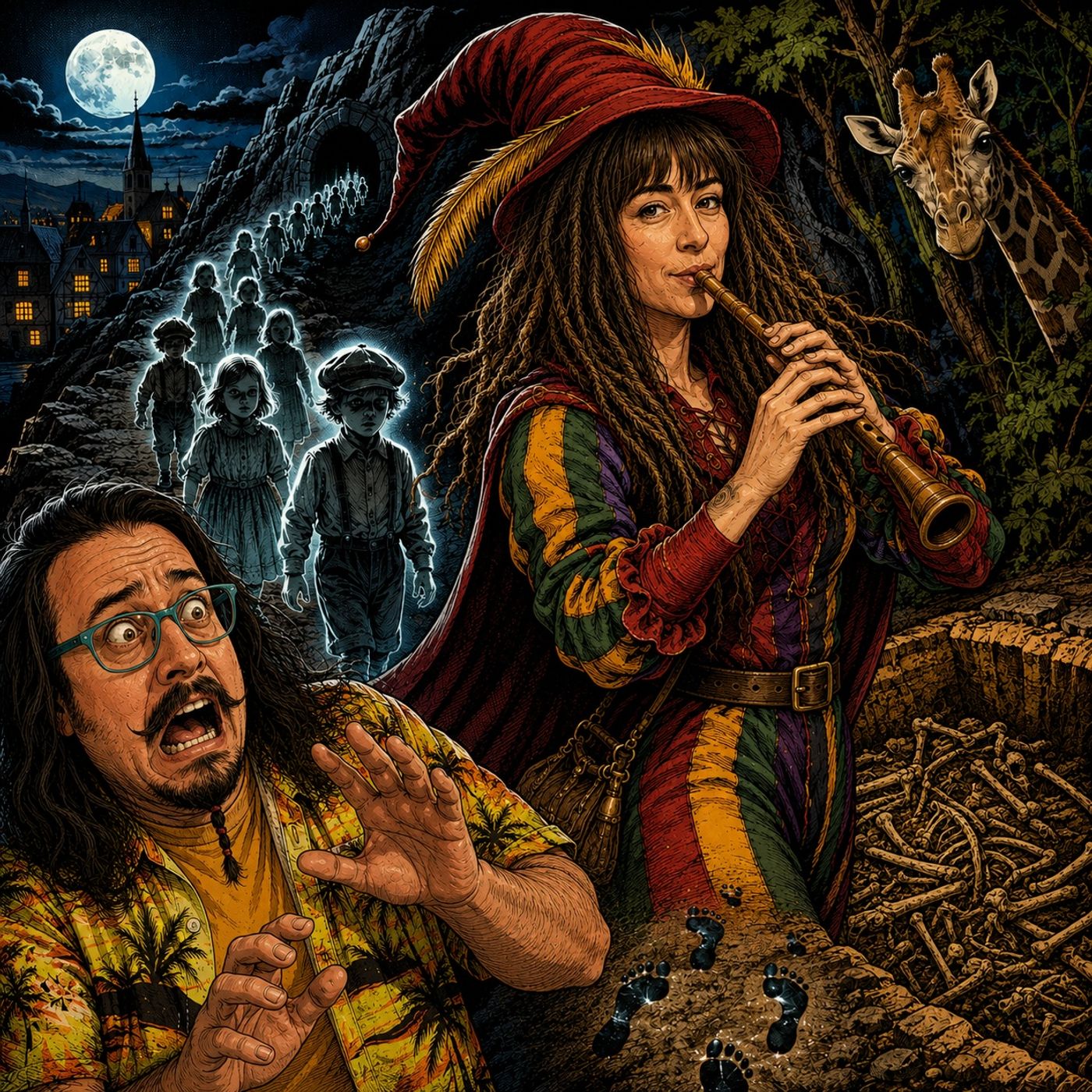
The mystery of the 77 headless skeletons from Vráble, Slovakia, continues to echo through millennia, a testament to the profound and often unsettling ways ancient cultures approached death. The post-mortem decapitations, so meticulously executed, speak volumes about their ritualistic practices and their understanding of the afterlife. While the exact reasons remain elusive, the Vráble discovery offers an unparalleled window into the complex spiritual and social fabric of Neolithic Europe. For those intrigued by the enduring enigmas of the past and the chilling tales they hold, we invite you to explore further. Listen to the full episode that touches upon this and other fascinating mysteries: Monthly Spooky | The Pied Piper of Hamelin Mystery: 77 Headless Skeletons & Gracie the Missing Giraffe.
Frequently Asked Questions
-
What is the Vráble discovery?
The Vráble discovery refers to a 7,000-year-old mass grave found in Slovakia containing 78 human bodies, 77 of which were decapitated after death.
-
Why are the Vráble skeletons headless?
Archaeological evidence suggests the heads were removed deliberately after death as part of a ritualistic practice, rather than due to violent conflict.
-
What theories exist about the headless skeletons?
Theories include facilitating the soul's journey to the afterlife, or the heads being taken as sacred trophies for ritualistic purposes.
-
When does the Vráble mass grave date back to?
The Vráble mass grave dates back approximately 7,000 years, to the Neolithic period.