Why Maximum Overdrive Remains the Ultimate 80s Killer Machine Movie
Maximum Overdrive, Stephen King’s 1986 directorial debut, serves as a high-octane exploration of mechanical rebellion. By examining the film's unique blend of dark comedy, industrial dread, and AC/DC-fueled pacing, viewers can understand how this cult classic effectively turned everyday technology into an inescapable nightmare, influencing the subgenre of killer-machine cinema for decades to come.
Key Takeaways
- Stephen King's only directorial effort captures the raw, unpolished energy of 80s practical effects-heavy horror.
- The film elevates common household items and industrial machinery into credible antagonists, fueling real-world technophobia.
- The relentless, pounding soundtrack by AC/DC serves as a central narrative driver rather than mere background noise.
- Despite its chaotic reputation, the movie offers a blueprint for the "trapped in a small space" survival horror trope.
- The film functions as a time capsule for 1980s aesthetic sensibilities and excessive creature-feature production styles.
The Rebellion of the Everyday
When we look back at the history of cinematic horror, we often focus on the supernatural or the slasher. Yet, there is a specific brand of terror that hits closer to home: the fear that the things we rely on to survive will suddenly stop cooperating. Maximum Overdrive represents the pinnacle of this fear. When the Earth passes through the tail of a comet, the film argues that the latent malice within human inventions is finally unleashed. Everything from soda vending machines to lawn mowers turns from a servant of humanity into a lethal executioner.
This premise is brilliant because of its mundane nature. Unlike the looming threat of a serial killer in a mask, the objects in Maximum Overdrive are everywhere. By focusing on a truck stop, King grounded the chaos in a familiar Americana setting, making the realization that "nowhere is safe" feel genuine to the audience. This isn't just about a haunted house; it's about a world that has collectively decided that its human inhabitants have overstayed their welcome.
A Soundtrack for the Apocalypse
Rarely does a film score influence the perception of a genre as much as AC/DC’s contribution to Maximum Overdrive. The choice to wire the soundtrack directly into the film’s narrative engine creates an environment that feels less like a traditional movie and more like a high-tension music video from hell. Every explosion, every revving engine, and every moment of diner-based panic is underscored by guitar riffs that feel aggressive and inescapable.
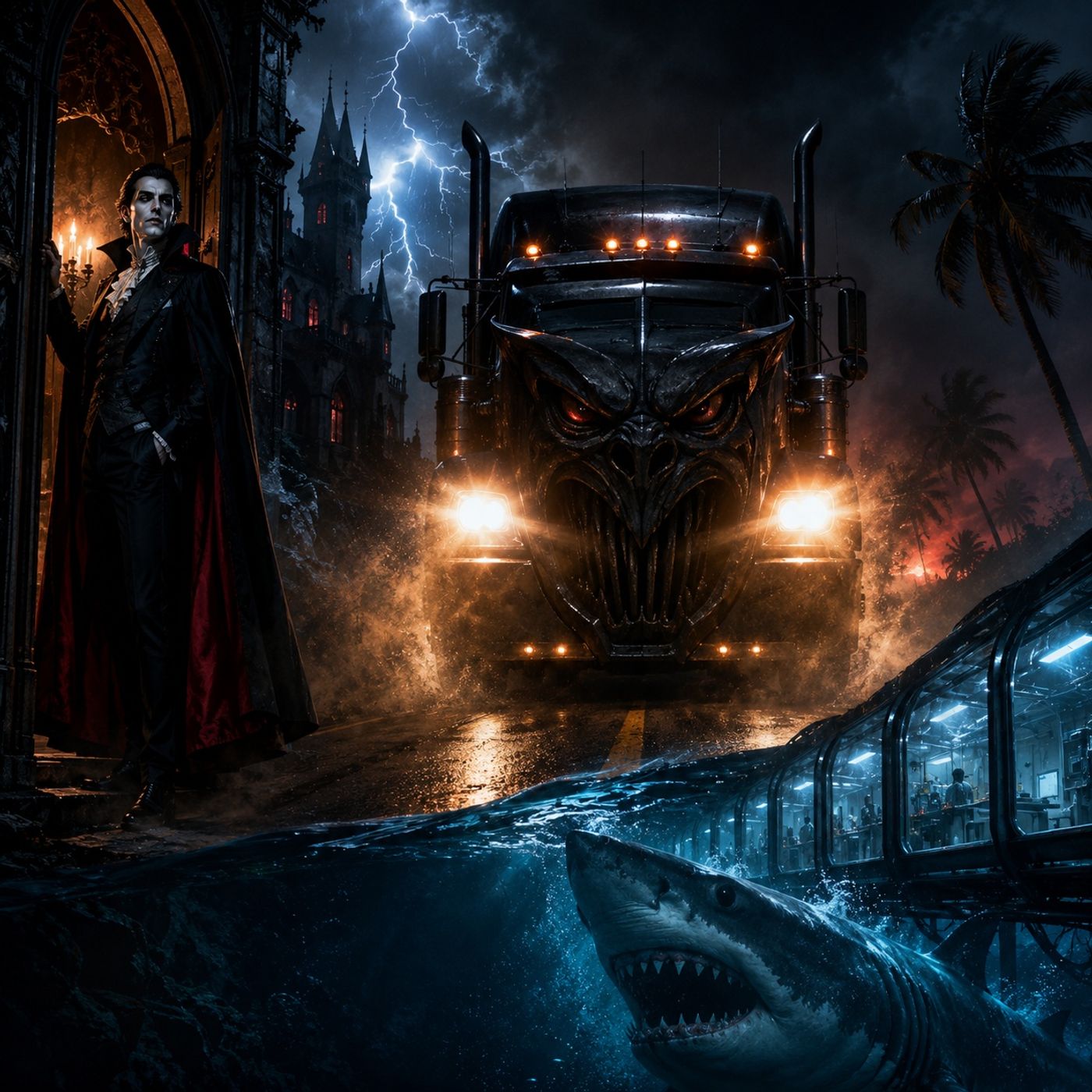
This audio-visual marriage highlights exactly why the film remains a cult staple. It doesn't ask for quiet, psychological contemplation. It demands that you strap in for the ride. For fans of 80s practical effects, the visual design of the "goblin-faced" truck is a masterpiece of unhinged creative direction, standing as an iconic silhouette in a decade filled with memorable monsters.
The Legacy of King Behind the Camera
Stephen King has often been critical of his own work on this project, but that self-deprecation ignores the film's cultural footprint. Maximum Overdrive isn't trying to be an elegant, prestige horror film. It exists to show the sheer absurdity of life in the 80s, where corporate progress and commercial technology were colliding at high speed. The film is "greasy" in the best possible way—it feels like a movie made by someone who wanted to see things blow up and enjoy every minute of the mayhem.
If you are looking to understand the mechanics of how this film influenced later creature features or why it still commands a dedicated audience, you need to look at its commitment to the bit. It never winks at the camera; it plays its premise completely straight, even when that premise involves a steamroller chasing a victim across a field. It is a testament to the idea that sometimes, horror is best served with a side of over-the-top, adrenaline-soaked fun. To dive deeper into how this film fits into the broader timeline of terrifying cinema, Listen to the full episode where we discuss this and other legendary moments in horror history.
Frequently Asked Questions
Why did Stephen King only direct this one film?
While King has been involved in many adaptations, the production of Maximum Overdrive was notoriously difficult and chaotic, leading him to largely step away from the director's chair in favor of writing.
Is Maximum Overdrive scary or just funny?
It exists in a unique space of "horror-comedy" where the stakes are life-and-death, but the execution of the machine attacks is often so outlandish that it leans heavily into dark humor.
Where can I stream Maximum Overdrive?
The film is frequently available on ad-supported platforms like Tubi or Plex, making it easily accessible for a late-night rewatch.