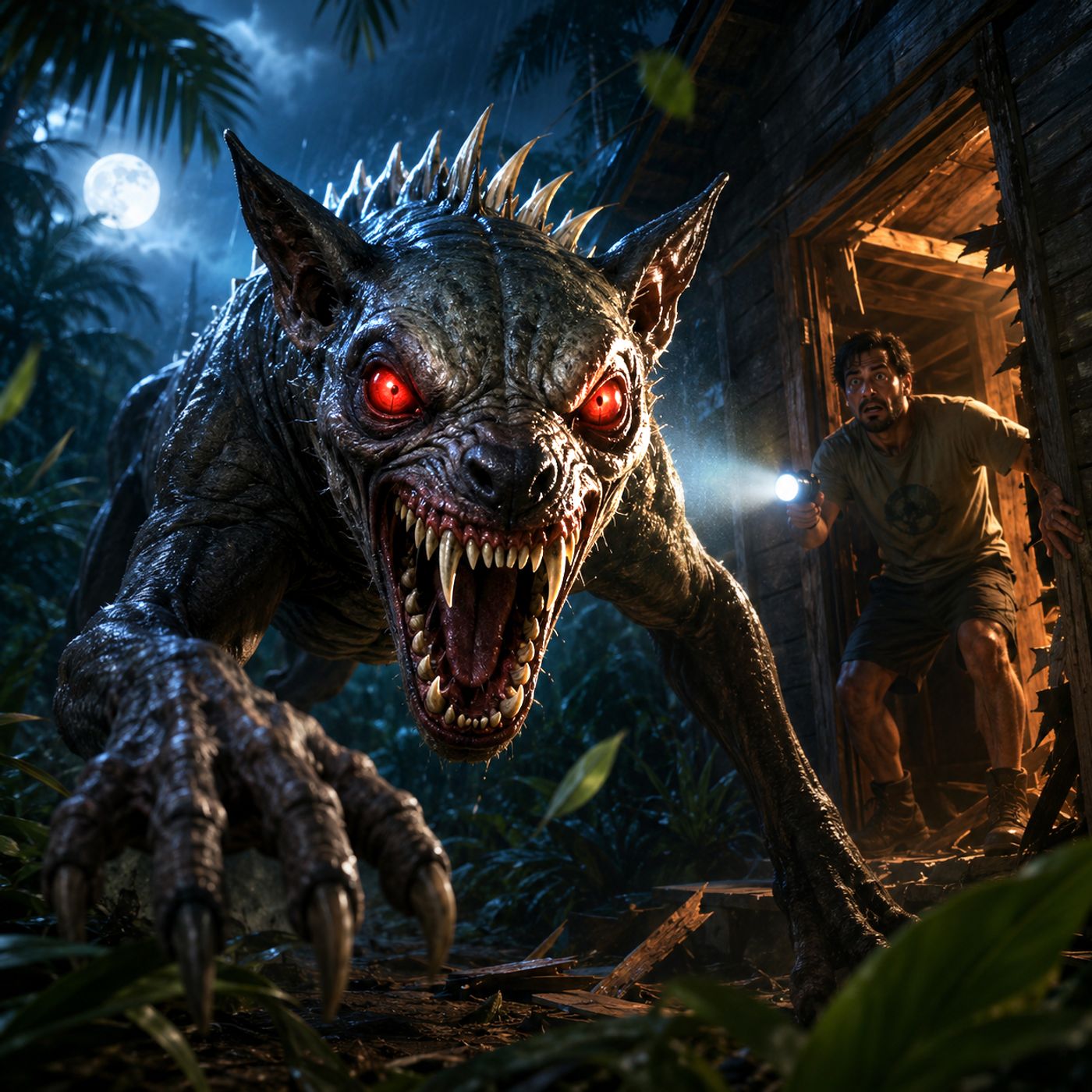
How to Build a Cryptid-Proof Wilderness Camp: Lessons From Camp Clemente
Securing a wilderness camp against aggressive cryptids requires rigorous site evaluation, defensive architectural planning, and deep situational awareness. Drawing from the harrowing events at Camp Clemente in Puerto Rico, wilderness survival experts and camp counselors can learn vital techniques to protect staff and campers from apex supernatural predators.
Key Takeaways
- Never establish a wilderness camp directly over ancient protective sigils or supernatural portals.
- Experienced camp counselors prioritize heavy-duty cabin fortifications and clear escape routes over casual sleeping arrangements.
- Knowing local cryptid lore—such as recognizing a chupacabra cacophony—saves valuable reaction time during nocturnal attacks.
- Wilderness survival gear like flint, steel, and a well-maintained Zippo lighter are critical when infrastructure fails.
- Sealing underground monster nests requires heavy explosives and absolute tactical preparation in total darkness.
Site Selection and Hidden Dangers
Choosing the right patch of wilderness for a summer camp is the first line of defense. Standard logistical concerns usually dictate site selection: proximity to a freshwater source, access to mountain trails, and ample timber for campfires. However, veteran survivalists know that geographic history matters far more than picturesque scenery. Building over uncharted terrain without consulting local folklore can prove fatal.
When Paul Williams established Camp Clemente in Puerto Rico, the fresh wooden cabins, pristine lake, and surrounding tropical forest felt like an idyllic paradise. Unfortunately, the camp was unknowingly constructed directly over an ancient protective sigil meant to keep a supernatural portal—known as the Well of Chupacabra—permanently sealed. When establishing any remote outpost, modern management must interview local populations and historians to ensure the land does not conceal ancient ruins, cave systems, or legendary monster nests.
Fortifying Cabins Against Nocturnal Predators
Standard camp security involves locking doors to keep curious wildlife or trespassers out. When dealing with a hostile cryptid pack, however, basic locks are entirely insufficient. Camp counselors must master rapid emergency fortification techniques to survive an overnight siege.
During a coordinated assault by a chupacabra cacophony, quick thinking and collective physical strength are mandatory. Counselors must immediately implement a defensive protocol:
- Barricade Doors: Wedge heavy metal lockers, bunk beds, and dining tables firmly against every exterior door to absorb initial kinetic impacts.
- Secure Windows: Prop box springs and mattresses tightly across window frames to prevent shattered glass from becoming an entry point.
- Establish Watch Rotations: Divide staff into strict shifts, ensuring someone is always awake and listening for approaching vocalizations in the tree line.
- Keep Noise Controlled: Silence panicking greenhorns instantly to hear the movement patterns of whatever is circling the perimeter.
Essential Wilderness Skills When Infrastructure Fails
When cryptids attack, modern infrastructure vanishes almost instantly. Landlines are ripped from walls, electricity fails during violent storms, and reliance on outside emergency services becomes useless. Survival depends entirely on foundational wilderness training.
A true veteran camp counselor relies on old-school resourcefulness. Utilizing flint and steel instead of relying on damp matches, knowing how to pitch a one-man tent for fast relocation, and keeping a reliable Zippo lighter handy can mean the difference between life and death. Greenhorn staff members must be put through rigorous fire-building and navigation tests before campers ever arrive, ensuring they will not panic when separated from city comforts.
Taking the Fight to the Monster Nest
Defense alone will not secure a permanent campsite. If a supernatural portal like the Well of Chupacabra is active beneath nearby mountain caverns, the creature pack will continue its relentless assaults until the nest is eradicated.
Counter-offensives against subterranean cryptid dens demand specialized tactical gear. Navigating bat-filled caves in pitch-black darkness requires local guides who understand the terrain, protective wards handed down by traditional practitioners, and heavy demolition materials. Just as veteran wilderness experts packed cases of dynamite to seal the cavern well, modern cryptid defense often requires aggressive, preemptive strikes to neutralize threats at their source before another attack can devastate the camp.
Conclusion
Building and maintaining a remote wilderness camp is a formidable challenge, especially when ancient folklore proves to be terrifyingly real. By respecting local legends, prioritizing heavy cabin fortifications, and maintaining advanced wilderness survival skills, camp staff can stand their ground against even the most savage cryptid threats. To hear the full, spine-chilling account of survival and monster-hunting in the Puerto Rican jungle, be sure to Listen to the full episode of Weekly Spooky and subscribe for more terrifying tales every Wednesday!
Frequently Asked Questions
What is the primary rule of building a camp in cryptid-heavy territory?
The most vital rule is to avoid building structures over ancient protective sigils or known supernatural portals, as disrupting these sites often triggers violent cryptid aggression.
How do you identify a Chupacabra attack versus a standard wild animal raid?
Chupacabras typically attack in a group known as a cacophony, emitting unholy howls and leaving behind massive, two-inch razor-sharp curved teeth embedded in wood rather than conventional claw marks.
What emergency gear should every camp counselor carry for wilderness defense?
Beyond standard first-aid kits, counselors should carry reliable fire-starting tools like flint and steel, heavy-duty barricade materials, and in extreme supernatural scenarios, tactical demolition supplies.
Why are fresh camp cabins uniquely vulnerable to monster attacks?
Newly constructed cabins often lack the deep-seated wards of older properties, and their fresh wood scent combined with large groups of human occupants can draw hungry predators out of the jungle.