The PG-13 Revolution: How Gremlins Rewrote the Rules of Horror
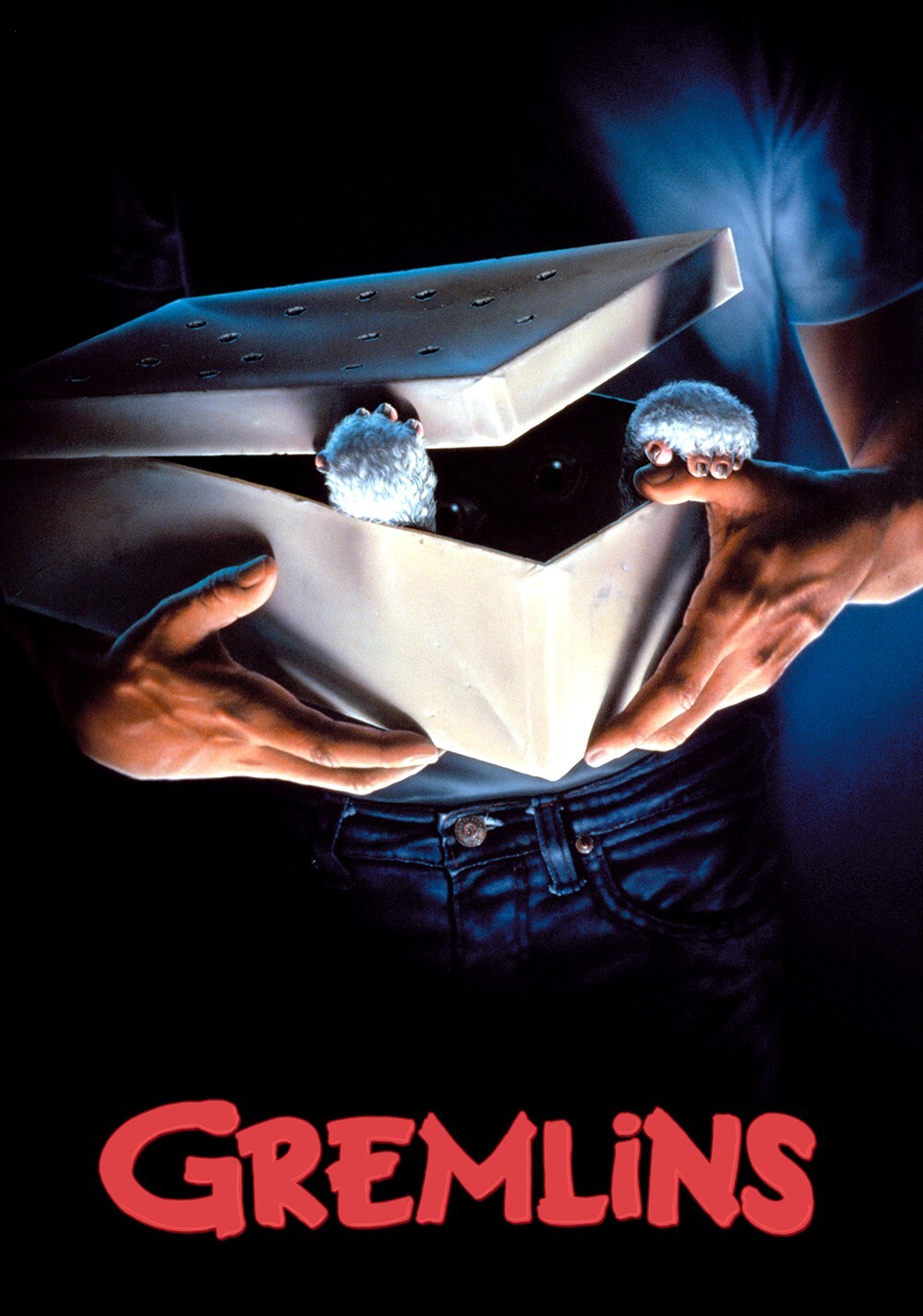
This week in horror history, a furry little creature unleashed chaos that not only terrified audiences but also fundamentally changed how movies could scare us. On June 8, 1984, *Gremlins* arrived, a horror-comedy that was too funny for the R-rated camp and too scary for a G. Its success forced a reckoning, leading to the birth of a new rating that would shape decades of blockbuster scares.
Key Takeaways:
- The release of *Gremlins* in 1984 was a pivotal moment, blurring the lines between horror, comedy, and family entertainment.
- The film's intense yet humorous scares prompted the Motion Picture Association of America (MPAA) to create the PG-13 rating.
- *Gremlins* demonstrated that horror could be accessible to a wider audience without sacrificing its edge, paving the way for future genre blends.
- The film's success, alongside other similar releases, shifted Hollywood's approach to horror, making it a more mainstream and commercially viable genre.
- The story of Gizmo and the mischievous gremlins offers a cautionary tale about unchecked consumption and the consequences of disturbing the natural order, themes still relevant today.
The Birth of the PG-13 Rating
Before June 8, 1984, the cinematic landscape for horror was largely divided into two camps: the family-friendly, often supernatural adventures that earned a G or PG, and the blood-soaked, fear-inducing films that demanded an R. There was a significant gap, a no-man's-land where films that were too intense for younger viewers but not overtly graphic or violent struggled to find their audience. Enter Joe Dante's *Gremlins*. This film was a perfect storm of dark humor, genuine scares, and creature-feature mayhem. It featured a beloved cute mascot, Gizmo, who transforms into a horde of destructive, sharp-toothed monsters. While undeniably scary and violent at times, the film was also incredibly funny, packed with pop culture references and witty dialogue. Audiences were captivated, but the MPAA was stumped. It wasn't quite an R, but it was certainly more than a PG. The dilemma was clear: either alienate a large segment of the potential audience with an R rating or risk desensitizing younger viewers with a PG rating. The immediate predecessor, *Indiana Jones and the Temple of Doom*, released just before *Gremlins*, also pushed the boundaries of PG with its famously gruesome scenes. These films, along with others, highlighted the inadequacy of the existing rating system. The result was the creation of the PG-13 rating, announced in August 1984. This new rating provided a crucial middle ground, allowing filmmakers to explore more mature themes and deliver more intense content without resorting to the graphic violence typically associated with an R rating. *Gremlins* stands as a landmark film not just for its creative genius but for its unintended but profound impact on film ratings and the accessibility of horror.
Beyond the Rating: *Gremlins* as a Cautionary Tale
While the impact of *Gremlins* on the PG-13 rating is undeniable, the film's thematic depth extends far beyond its rating implications. At its core, *Gremlins* is a brilliant, albeit dark, satire of consumerism and the consequences of unchecked desires. Billy Peltzer receives Gizmo from his father, a quirky inventor, with three crucial rules: keep him out of sunlight, don't get him wet, and never, ever feed him after midnight. These rules are quickly broken, not out of malice, but out of a child's curiosity and a desire to do good, leading to the gremlins' emergence. The transformation of Gizmo, a creature of light and innocence, into the chaotic and destructive gremlins serves as a potent metaphor. The town of Kingston Falls, a seemingly idyllic American suburb, becomes overrun by these mischievous monsters, mirroring how unchecked greed and indulgence can corrupt even the most pristine environments. The gremlins' rampages are not just random acts of violence; they are fueled by mischief and a perverse sense of fun, often targeting symbols of modern American life – the bank, the movie theater, the local bar. This aspect of the film taps into a deeper anxiety about the loss of control and the intrusion of chaos into everyday life. The film critiques the superficiality of consumer culture, where trinkets and novelties can harbor hidden dangers. The initial appeal of the gremlins, their small size and mischievous antics, masks their true destructive potential, much like how attractive but ultimately harmful products can be marketed to consumers. Joe Dante masterfully blends genuine scares with biting social commentary, making *Gremlins* a film that entertains, frights, and provokes thought, solidifying its place as a cult classic that remains relevant decades later.
The Legacy of 80s Horror-Comedy
*Gremlins* didn't just pave the way for the PG-13 rating; it also solidified the burgeoning trend of horror-comedy in the 1980s. This decade was a golden age for genre blending, and *Gremlins* became a poster child for successful fusion. Before *Gremlins*, films like *An American Werewolf in London* (1981) and *Evil Dead II* (1987) had already experimented with dark humor in horror, but *Gremlins* brought this blend to a massive, mainstream audience. Its success demonstrated that horror didn't have to be exclusively terrifying or excessively gory to be effective. The humor provided an escape valve for the tension, making the scares more impactful when they landed. This balance was crucial for attracting viewers who might otherwise shy away from purely horrific content. The film's influence can be seen in countless movies that followed, from *Critters* (1986), which also featured small, destructive creatures, to *Child's Play* (1988), which similarly used a seemingly innocent toy as a source of terror. The 80s were characterized by a willingness to experiment with established genres, and *Gremlins* was at the forefront of this movement. It proved that audiences were eager for films that could make them laugh one moment and jump out of their seats the next. The combination of practical effects, memorable characters (both good and bad), and a story that was both relatable and fantastical resonated deeply. The film's enduring popularity is a testament to the power of this hybrid genre and its ability to appeal across different demographics, a legacy that *Gremlins* helped to build and continues to celebrate.
From Mogwai Mayhem to Blockbuster Success
The journey of *Gremlins* from a quirky concept to a cultural phenomenon is a story in itself. Initially envisioned by writer Chris Columbus as a darker, more terrifying film, it evolved through the collaborative process with director Joe Dante and producer Steven Spielberg. Spielberg's involvement, in particular, steered the film towards a more family-friendly, albeit still menacing, tone. This shift was instrumental in its wide appeal. The film's opening weekend on June 8, 1984, saw it perform exceptionally well, quickly becoming a box office hit. It wasn't just the scares or the laughs; it was the characters, the unique premise, and the underlying message that captured the public's imagination. The contrast between the adorable Gizmo and the menacing gremlins was a stroke of genius, creating an iconic duo of characters that resonated with audiences of all ages. The marketing campaign effectively highlighted this duality, drawing viewers in with the promise of both charm and chaos. The film's success also had significant implications for the film industry. It proved that a horror film, when executed with broad appeal and accessible themes, could become a massive blockbuster. This realization encouraged studios to invest more in genre-bending films and to reconsider the perceived limitations of horror. The subsequent merchandising and franchise development further cemented *Gremlins*' status as a cultural touchstone. Its legacy isn't just about breaking rating systems; it's about demonstrating the commercial viability of intelligent, fun, and frightening filmmaking that could connect with a wide audience, a lesson that continues to inform Hollywood's approach to genre films today.
For a deeper dive into the spooky happenings of June 8-14 and more tales from horror history, be sure to listen to the latest episode of Weekly Spooky!
Frequently Asked Questions
Q: What were the original three rules for caring for a Mogwai in *Gremlins*?
A: The three rules were: do not expose the Mogwai to bright light (especially sunlight), do not let it get wet, and most importantly, do not feed it after midnight. Violating these rules leads to the creature's transformation into destructive gremlins.
Q: How did *Gremlins* influence the PG-13 rating?
A: *Gremlins* was considered too intense for a PG rating but not graphic enough for an R. Along with other films pushing PG boundaries, its success directly contributed to the creation of the PG-13 rating by the MPAA in 1984, providing a middle ground for films with mature themes.
Q: Is *Gremlins* considered a horror film, a comedy, or both?
A: *Gremlins* is famously a blend of horror and comedy, often referred to as a horror-comedy or a dark comedy. It effectively balances genuinely frightening moments with sharp wit and satirical humor.
Q: What does the character Gizmo represent in the film?
A: Gizmo, the adorable Mogwai, initially represents innocence and companionship. His transformation into the gremlins, and the subsequent chaos, can be seen as a metaphor for how unchecked desires and the disruption of natural order can lead to destruction and societal breakdown.
Listen Next
Keep listening with these related Weekly Spooky episodes.

Christmas Horror Movie Watchlist
Hear Henrique and David discuss Gremlins, Deadly Games and darker holiday viewing picks.
REC (2007): Cutting Deep Into Horror
Unpack the quarantined apartment building, camera logic and night-vision climax, with full spoilers.
Last Shift (2014): Cutting Deep Into Horror
Explore the isolation and cult imagery of a rookie officer’s haunted-station ordeal, with full spoilers.