Why Extreme Interactive Haunts Are Turning Horror Fans Into Real-Life Targets
Extreme interactive haunted attractions push the boundaries of psychological and physical horror by allowing actors to touch, detain, and isolate guests. This immersive trend blurs the line between theatrical scares and actual danger, a terrifying dynamic explored in depth by horror hosts Henrique Couto and Rachael Redolfi in their analysis of modern seasonal tourism fears.
Key Takeaways
- Extreme haunts utilize 'touch passes' and waivers, giving performers physical access to willing guests.
- The psychological allure of extreme fear stems from a desire to test personal boundaries and psychological endurance.
- Real-world horror attractions can occasionally mask illegal or predatory behavior behind immersive theatrical contracts.
- Immersive haunt culture heavily influences modern horror cinema, inspiring realistic found footage narratives.
- Audience fascination with organizations like McKamey Manor highlights society's growing appetite for non-supernatural, highly visceral terror.
The Rise of the Touch Pass and Physical Haunts
For decades, traditional haunted houses operated under a strict unwritten rule: the monsters can scare you, but they cannot touch you. This golden rule of haunt etiquette created a safe psychological distance. Visitors knew that no matter how loud the chainsaw roared or how close the hockey mask got, they were ultimately safe behind an invisible barrier of personal space. However, the commercial haunt industry has rapidly evolved, introducing the controversial concept of the 'touch pass' and interactive warning waivers.
By signing away basic liability, guests at extreme haunted attractions volunteer to be grabbed, shoved, bagged, and dragged into hidden rooms. This shift transforms passive spectatorship into active participation. Instead of merely watching a horror scene unfold, the visitor becomes the protagonist—or rather, the victim—of a personalized nightmare. This escalation satisfies a specific niche of thrill-seekers who feel immune to traditional jump scares and demand a heavier dose of adrenaline.
The Psychology Behind Seeking Out Extreme Fear
Why do thousands of horror enthusiasts line up to experience physical discomfort, humiliation, and terror? Psychologists suggest that controlled environments allow people to process deep-seated anxieties and trauma in a manageable way. When individuals survive an intense simulated ordeal, their brains release a potent cocktail of dopamine and endorphins, replacing genuine dread with a profound sense of triumph.
However, extreme tourism also crosses into murkier psychological territory. When attractions require participants to sign multi-page waivers detailing physical duress, the experience stops being a simple Halloween celebration and edges closer to a test of endurance. It taps into the darkest corners of human curiosity—the desire to stare directly into the abyss and discover how much stress the human psyche can genuinely withstand before breaking.
When Fictional Terror Mirrors Real-World Extremes
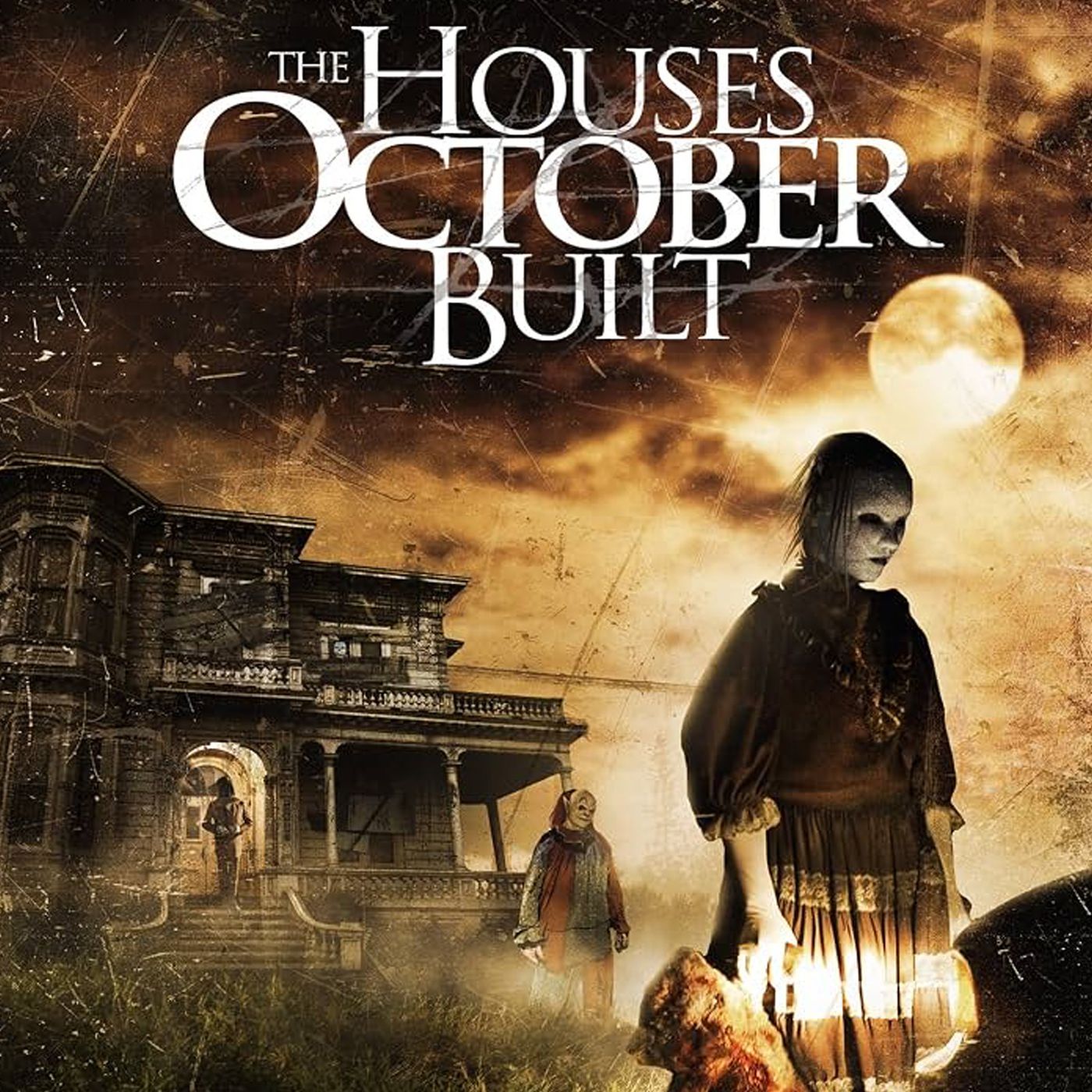
The cultural obsession with extreme haunted attractions naturally spilled over into horror cinema, most notably in films that examine roadside tourist traps and secret underground societies. When fictional characters venture off the beaten path to find the ultimate scare, they invariably stumble upon an underworld where the actors refuse to break character—because the torture has stopped being an act.
This blurring of reality and performance creates a unique brand of existential dread. Supernatural monsters like ghosts and vampires are easy to dismiss once the house lights come on, but a human villain operating under the guise of an extreme haunt is deeply unsettling precisely because it could happen in the real world. Real-world legends like McKamey Manor feed directly into this anxiety, proving that some individuals are more than willing to subject themselves to prolonged psychological and physical abuse for the sake of a viral thrill.
Why Human Villains Are More Terrifying Than Ghosts
Traditional horror relies heavily on the supernatural to frighten audiences. Yet, cinematic explorations of extreme haunts remind us that the human animal is far more dangerous than any phantom or ghoul. Human antagonists possess malicious intent, strategic patience, and a complete lack of empathy. When masked performers follow victims out of the designated attraction zones and into the quiet streets, the horror transcends the ticketed event.
This transition from a controlled, commercial space to the unpredictable wilderness outside is what makes extreme haunt horror so effective. It exploits our misplaced trust in civic infrastructure and entertainment venues. We assume that because we paid for a ticket, we are part of a transaction. When the antagonist refuses to recognize the end of the transaction, the safety net completely collapses.
Navigating the Darker Side of Halloween Tourism
Extreme haunted attractions offer an unmatched adrenaline rush, but they also serve as a stark reminder of the dark side of immersive entertainment. As long as thrill-seekers continue to push the envelope in search of the ultimate scare, filmmakers and horror commentators will continue to dissect the psychological implications of our collective obsession with fear.
To hear Henrique Couto and Rachael Redolfi break down the chilling intersections of real-world roadside attractions, extreme tourism legends, and intense cinematic nightmares, be sure to check out the full audio discussion. Listen to the full episode and subscribe to Weekly Spooky for your weekly dose of terror tales every Wednesday.
Frequently Asked Questions
What is a touch pass in haunted houses?
A touch pass is an optional upgrade or wristband system used at certain extreme haunted houses that permits actors to physically grab, touch, separate, or temporarily detain willing participants during the tour.
Why are extreme haunts growing in popularity?
Extreme haunts appeal to adrenaline junkies and horror fans who have built up a tolerance to traditional jump scares and are looking for visceral, high-stakes immersive experiences that test their mental and physical endurance.
Are extreme haunted attractions legally regulated?
Yes, though regulations vary wildly by state and municipality. Most extreme haunts require participants to sign extensive liability waivers acknowledging the risk of physical contact, psychological stress, and minor injury.
How do waivers change the dynamic of a haunted attraction?
Waivers legally reframe the interaction from a standard commercial service to a voluntary high-risk activity, allowing performers to push theatrical boundaries much further than traditional family-friendly attractions.