Beyond Statistics: Restoring Personhood Through the Highway of Tears
The Highway of Tears has tragically become synonymous with loss. But beyond the statistics and unsolved cases lies a powerful movement: the fight to restore the personhood of the victims. This is their story.
Key Takeaways
- Families are actively working to restore the personhood of victims, countering the tendency to define them solely by their circumstances.
- Memorials and advocacy efforts focus on the victims' individual identities as daughters, sisters, mothers, and friends.
- This focus on personhood is a crucial aspect of dismantling systemic biases that may have contributed to the crisis.
- Restoring identity is an act of defiance against erasure and a demand for recognition and justice.
- Efforts to restore personhood highlight the profound impact of individual stories in challenging broader societal indifference.
The Human Cost Beyond the Statistics
The Highway of Tears, a stretch of remote highway in Northern British Columbia, is more than just a tragic true crime case; it represents a profound human crisis. While official numbers and case files document the disappearances and murders of women and girls, particularly Indigenous women, over decades, these figures often fail to capture the full scope of the loss. The episode "Terrifying & True | Highway of Tears: Missing Women & Dark Canadian Lore" touches upon the official investigations, the geographical isolation, and the systemic failures that allowed this tragedy to unfold. However, a crucial element often overlooked in broad discussions is the deeply personal struggle of the families left behind. They are not just seeking justice for unsolved crimes; they are engaged in a vital, ongoing mission to restore the personhood of their loved ones. This mission transcends legal proceedings and media attention, delving into the very essence of who these women were before they were reduced to unsolved cases or statistics on a lonely highway.
Countering Dehumanization Through Advocacy
The narrative surrounding missing and murdered individuals, especially in cases of systemic neglect, can easily devolve into a collection of statistics or a cautionary tale focused on risk factors. For the families connected to the Highway of Tears, this is an unacceptable reduction of their loved ones' lives. The insights shared in the "Terrifying & True" episode highlight how advocates and families are actively pushing back against this dehumanization. They are meticulously working to ensure that each victim is remembered not as a statistic or a potential victim of circumstance, but as a complete individual with a unique history, personality, and a web of relationships. This deliberate act of remembrance is a powerful counter-narrative to the indifference that often surrounds such tragedies. It forces society to confront the human cost, person by person, rather than abstracting the pain into numbers. By sharing personal anecdotes, photographs, and life stories, families are weaving a rich tapestry of remembrance that refuses to be diminished.
Remembering Names and Faces
One of the most powerful ways families are restoring personhood is by actively sharing the stories, memories, and personalities of the women and girls they lost. This involves more than just displaying photos; it means recounting their dreams, their laughter, their hobbies, their roles within their families, and their aspirations for the future. When a victim is remembered as a sister who loved to dance, a mother who cherished her children, or a daughter with a passion for art, their humanity is restored. These individual narratives serve as potent reminders that these were vibrant lives, not just unfortunate incidents. This focus on individual identity is a direct challenge to the societal tendency to view marginalized individuals as interchangeable or less valuable. The effort to remember each name, each face, and each story is a deliberate act of resistance against the forces that contributed to their vulnerability and disappearance. It's about reclaiming their legacy and ensuring their existence is acknowledged in its full, multifaceted glory.
Memorials as Sites of Personhood
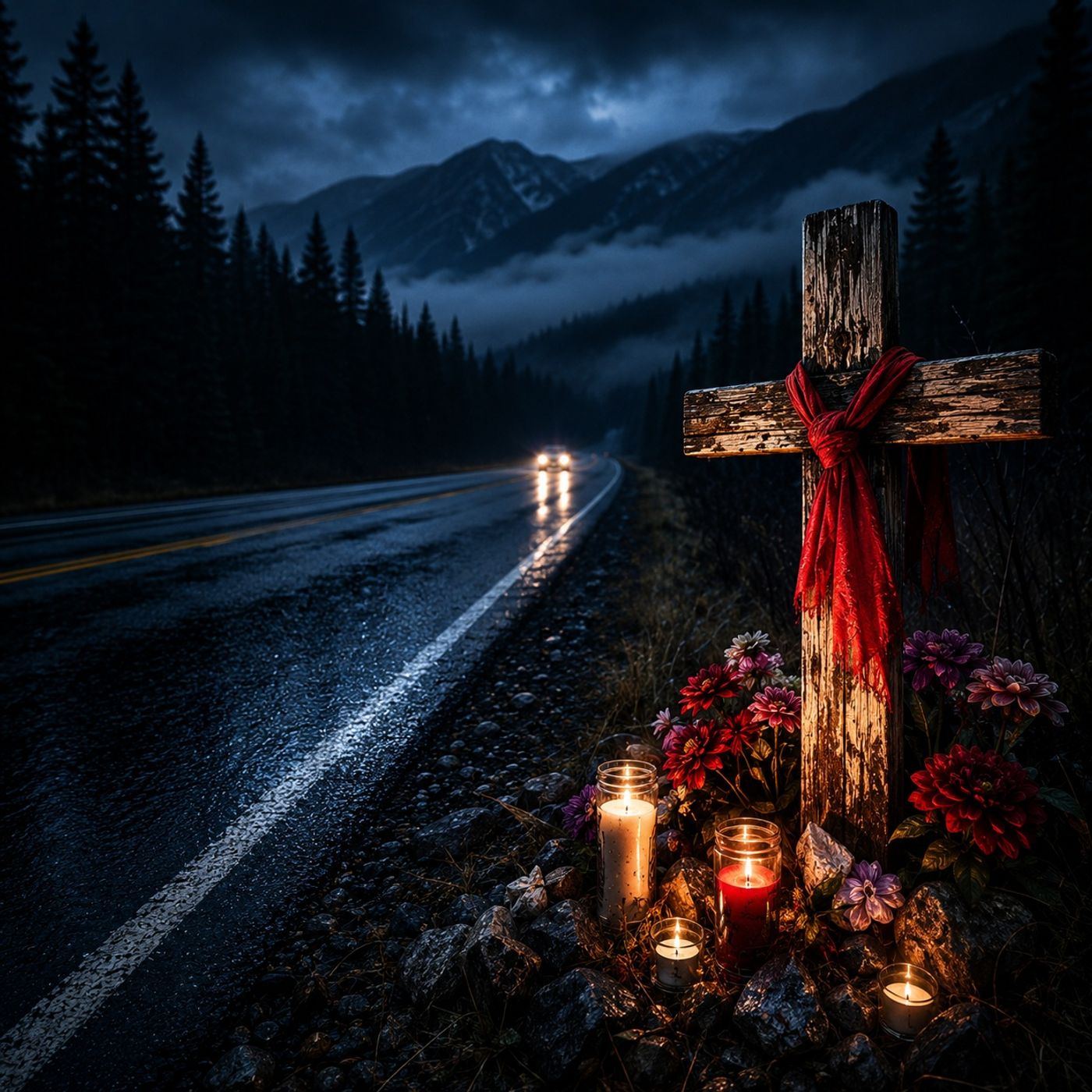
Memorials, whether official or informal, play a critical role in the ongoing process of restoring personhood for the victims of the Highway of Tears. These are not just markers of loss; they are vibrant spaces where the individuality of the women and girls is celebrated and remembered. Families and communities create these spaces with intention, ensuring that the memorials reflect the person each victim was. This might involve incorporating personal items, symbols meaningful to their culture, or images that capture their spirit. The act of building and maintaining these memorials is a continuous act of advocacy, a visible testament to the fact that these lives mattered and continue to matter. They serve as powerful focal points for remembrance, education, and solidarity, drawing attention to the specific individuals lost and the broader context of their disappearances. Through these tangible expressions of memory, the victims are kept alive in the collective consciousness, their personhood affirmed against the silence and the vastness of the roadside.
The Role of Community in Restoring Identity
Restoring the personhood of the Highway of Tears victims is not solely the responsibility of individual families; it is a collective effort deeply embedded within the community. Indigenous communities, in particular, have long held traditions of honoring their lost members. This collective approach amplifies the impact of individual efforts, creating a powerful force for remembrance and advocacy. Community events, vigils, and cultural ceremonies dedicated to the victims serve to reinforce their identities and ensure that their stories are passed down through generations. These gatherings provide a space for shared grief, mutual support, and collective action, strengthening the resolve to seek justice and prevent future tragedies. By coming together, communities reclaim the narrative, ensuring that the victims are seen and remembered as integral parts of their families, their communities, and their cultural heritage. This communal affirmation is vital in countering the isolation and marginalization that may have contributed to the crisis in the first place.
A Call to Action for Recognition
The profound efforts to restore the personhood of the Highway of Tears victims serve as a powerful call to action for society at large. It challenges us to move beyond passive acknowledgment of tragedy and to actively engage in recognizing the full humanity of every individual, especially those who have been marginalized or forgotten. The stories shared by families and advocates demand that we confront the systemic issues that allow such violence to persist. Restoring personhood is not just about honoring the past; it is about building a future where every life is valued, protected, and remembered with dignity. It requires sustained attention, empathy, and a commitment to dismantling the biases that led to these devastating losses. Listen to the full story and understand the depth of this ongoing struggle for remembrance and justice by tuning into the "Terrifying & True | Highway of Tears: Missing Women & Dark Canadian Lore" episode. Listen to the episode here.
Frequently Asked Questions
What does 'restoring personhood' mean in the context of the Highway of Tears?
Restoring personhood means ensuring that the victims are remembered as complete individuals with unique lives, personalities, dreams, and relationships, rather than just as statistics or unsolved cases. It's about reclaiming their dignity and humanity.
How do families and advocates restore personhood?
They restore personhood by sharing personal stories, memories, photos, and by creating memorials that reflect the victims' individual identities and lives. Community events and cultural ceremonies also play a vital role.
Why is focusing on personhood important?
Focusing on personhood is crucial because it counters the dehumanization that can occur in such cases, highlights the true human cost of the tragedy, and serves as a powerful act of remembrance and a demand for justice.
Does restoring personhood help address systemic issues?
Yes, by emphasizing individual lives and stories, it challenges societal indifference and brings attention to the systemic failures and biases that may have contributed to the victims' vulnerability and the ongoing lack of justice.