The Psychological Roots of Mad Science: How Trauma Breeds Monstrous Transformations
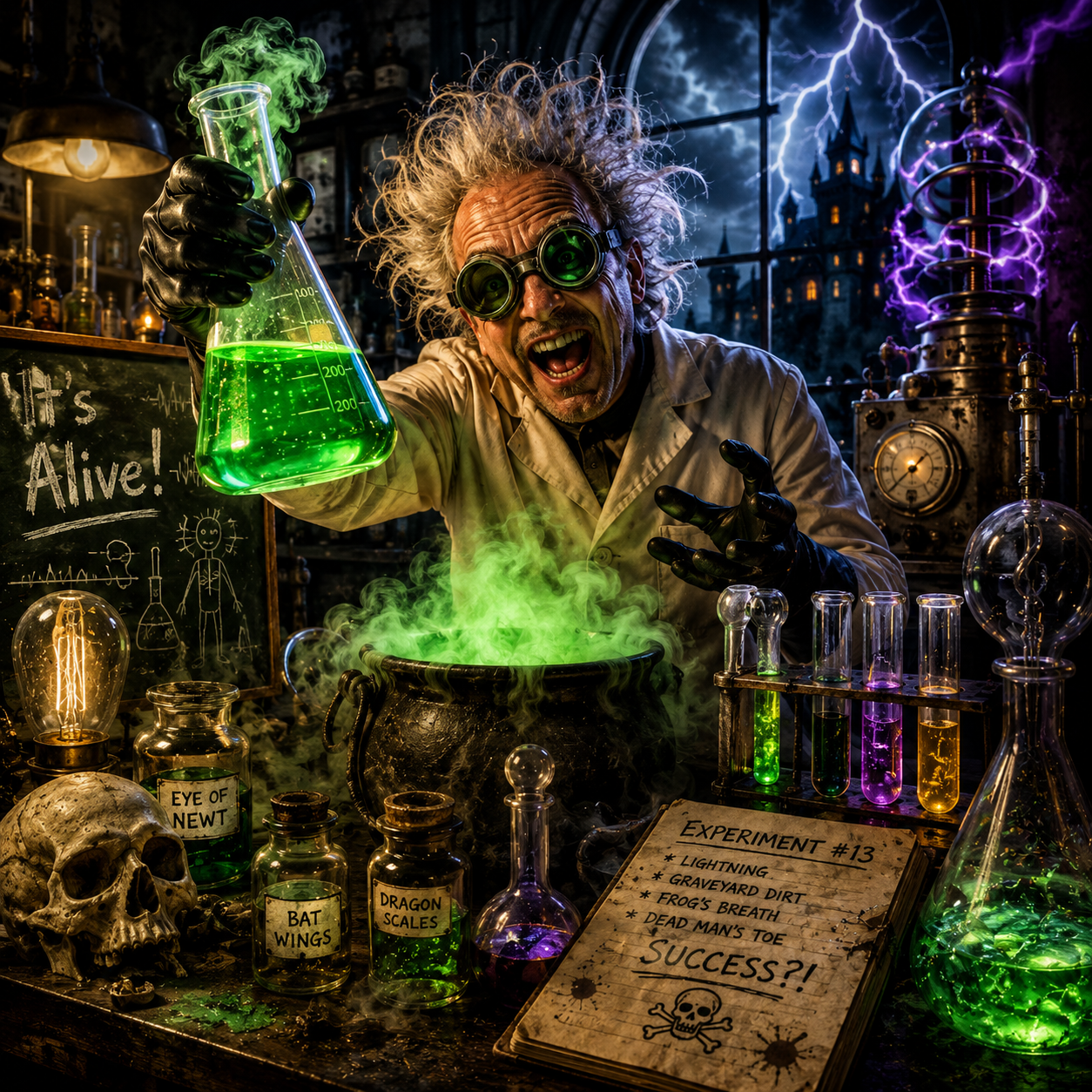
Mad science fiction often explores the terrifying potential of unchecked ambition. But what truly fuels these transformations? This post uncovers the profound psychological roots of mad science, revealing how trauma and suffering can warp brilliant minds into monstrous creators and victims.
Key Takeaways
- Profound psychological trauma, not just scientific ambition, is a core driver of 'madness' in mad science narratives.
- The grotesque physical mutations often serve as a terrifying externalization of a character's inner turmoil and psychological fragmentation.
- Revenge, born from immense personal loss and suffering, frequently motivates the descent into obsessive experimentation and monstrous creation.
- The loss of humanity in these stories is intrinsically tied to the erosion of mental and emotional stability, a consequence of severe trauma.
- Understanding the psychological underpinnings deepens the horror of the physical transformations, making them more poignant.
- The environments where these transformations occur, like asylums, can amplify existing psychological distress, leading to monstrous outcomes.
The Unraveling Mind: Trauma's Architects of Transformation
In the realm of mad science, the line between genius and utter derangement is often paved with personal suffering. While advanced technology and forbidden knowledge are common tropes, the true engine of transformation frequently lies within the tormented psyche. Consider the chilling narrative of the asylum doctor, a figure dedicated to understanding and healing the fractured human mind. When this very mind is shattered by an act of extreme violence, the resulting trauma can be so profound that it contorts his perception of reality and his place within it. This isn't merely a story of a doctor succumbing to the darkness of his patients; it's a deep dive into how intense psychological distress can fundamentally alter an individual, making their body and mind an unwilling canvas for horrific change. The doctor's transformation into an "electrical ghost" is not a simple scientific mishap, but a physical manifestation of his internal apocalypse, a direct consequence of an unbearable psychic wound.
The tragedy inherent in such tales stems from the contrast between the character's former self and their monstrous present. A mind once dedicated to mending becomes a tool for inflicting pain, a intellect once used for understanding is now employed for horrific retribution. The asylum, a place meant to contain madness, can paradoxically become a crucible for it, especially when those tasked with its management become its most severe victims. The doctor's pre-existing understanding of mental illness, warped by his own terrifying experiences, allows him to become a creature far more dreadful than any he previously encountered. His trauma reshapes his very essence, turning him into an embodiment of his own agony.
Trauma as the Catalyst for Mutation and Metamorphosis
The concept of 'mutation' in mad science often conjures images of bubbling vats and errant genes. However, the most compelling and disturbing mutations are those born from psychological catalysts. When an individual experiences profound trauma – betrayal, loss, physical violation – their psyche can fracture. This internal fragmentation doesn't just remain a mental state; it can manifest physically, transforming the body into a terrifying reflection of the inner chaos. The physical changes become a grotesque metaphor for the unhealable wounds inflicted upon the soul.
Take, for instance, the idea of a character's past life or profession amplifying their transformation. A healer turned monster, a protector turned predator. This juxtaposition heightens the horror because it represents a complete inversion of purpose, driven by an equally complete inversion of emotional state. The trauma acts as a dark sculptor, reshaping flesh and bone according to the agonizing blueprints of the mind. The experiments, whether self-inflicted or imposed, become a desperate, misguided attempt to process or escape the overwhelming pain, leading to a metamorphosis that is both scientifically impossible and psychologically inevitable within the narrative's logic.
The Psychology of Revenge in Mad Science
Revenge is a potent and recurring theme in mad science narratives, and it is almost invariably fueled by deep-seated trauma. The desire to inflict suffering upon those who caused pain, or to rectify a perceived injustice through extreme means, can drive characters to commit horrific acts. In the context of mad science, this revenge fantasy often becomes intertwined with transformative experimentation. The 'mad scientist' isn't just seeking to conquer nature or unlock secrets; they are often attempting to reclaim power, inflict their pain on others, or achieve a form of twisted immortality that transcends their suffering.
Consider the asylum doctor's story. His transformation into an "electrical ghost" obsessed with revenge is the ultimate manifestation of his trauma. He is no longer the man he was; his identity has been consumed by the desire to retaliate against those who wronged him. The horror lies not just in his new form, but in the psychological state that enabled it. His brilliance, once used for healing, is now channeled into creating a form of vengeance that is both terrifying and tragically symbolic of his own brokenness. The transformation itself becomes a tool for his revenge, a means to exert control and inflict terror, mirroring the terror he himself experienced.
Environmental Factors and Psychological Distress
The settings in which mad science transformations occur often play a crucial role in exacerbating psychological distress and driving characters towards monstrous outcomes. Isolated laboratories, sinister asylums, or forgotten industrial complexes can create an atmosphere of dread and detachment that amplifies internal turmoil. In the case of an asylum, the constant proximity to intense psychological suffering, combined with the personal trauma experienced by a caregiver, can create a volatile cocktail.
The environment can become a character in itself, reflecting and intensifying the protagonist's mental state. The oppressive nature of an asylum, for example, can foster a sense of entrapment and despair, leading a traumatized individual to seek escape through radical, often horrific, means. This can involve self-experimentation or the manipulation of others, all under the guise of scientific inquiry but deeply rooted in psychological need. The physical transformation then becomes a symbolic shedding of the old self, a desperate attempt to break free from the psychological and environmental constraints that have become unbearable.
In essence, the psychological roots of mad science transformations are inextricably linked to the characters' lived experiences of profound pain, loss, and violation. These internal wounds, amplified by their environments and obsessions, manifest as the grotesque and terrifying physical changes that define the genre. The horror is amplified when we understand that the monster without is often a reflection of the trauma within.
Explore these chilling tales of transformation and terror. Listen to the full episode now: Mad Science Body Horror Stories: Experiments, Mutations, Monsters & Flesh-Ripping Terror.
Frequently Asked Questions
What is the primary psychological driver behind mad science transformations?
The primary psychological driver is often profound trauma, such as severe personal loss, betrayal, or physical violation, which leads to mental fragmentation and a desire for retribution or escape.
How do physical mutations relate to a character's psychological state in mad science?
Physical mutations frequently serve as a terrifying externalization of a character's inner turmoil, psychological damage, and fractured psyche, making the internal suffering viscerally apparent.
Can the environment contribute to a character's descent into madness and transformation?
Yes, environments like isolated labs or oppressive asylums can amplify psychological distress, contributing to a character's descent into madness and the subsequent drive for transformation.
Is revenge a common motivation for mad scientists undergoing or causing transformations?
Revenge, fueled by trauma and a desire to inflict suffering on those who caused pain, is a very common motivation in mad science narratives, often intertwined with transformative experimentation.