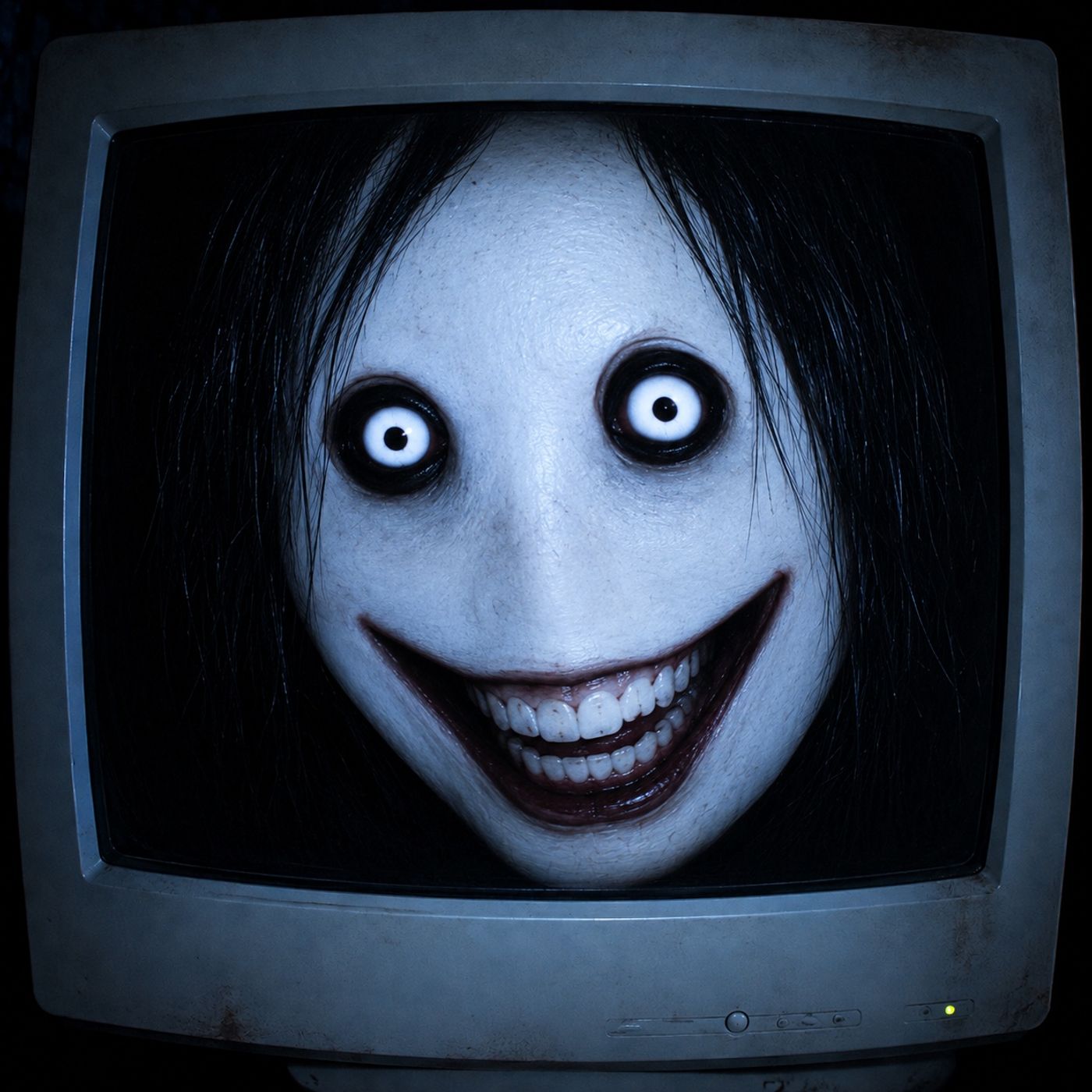
JTK 1 vs JTK 2: The Evolution of the Original Jeff the Killer Image
Uncovering the lost media history of internet horror requires tracking how early digital edits transformed ordinary photographs into the iconic JTK 1 and JTK 2 images. This deep-dive examines the Japanese image board origins, file name variations, and visual progression that preceded modern creepypasta lore.
Key Takeaways
The Early Digital Footprint: Tracing JTK 1
Long before the 2011 creepypasta gave the world a detailed backstory of bullies, bleach, and carved smiles, the face itself was already wandering the internet. Internet historians and lost media investigators have spent over a decade tracing the earliest iterations of the image. While pop culture often assumes the image debuted alongside the 2008 Newgrounds ritual or the 2011 GameFuelTV story, documented web history pushes the timeline back even further.
By 2005, edited variants of the face were circulating on Japanese image boards and early web hosting sites like pi.cc. In these early archives, the images frequently appeared under titles that translated to English as 'White Powder.' Researchers commonly refer to this initial recognized stage of digital mutation as JTK 1. In this earliest preserved version, the face retains significantly more native facial detail, skin texture, and underlying photographic depth than the ultra-flat monster recognized today.
Distinguishing Features of JTK 1
JTK 1 is characterized by a slightly less compressed resolution, allowing viewers to discern subtle facial contours beneath the heavy whitening and blurring effects. The eyes, while already darkened with bruised ink tones, still hold faint hints of structural alignment from the unknown source photograph. It was an experimental stage of photoshop editing—the kind of crude, late-night image alteration popular on early message boards where users pushed digital filters to extremes simply to see how unsettling they could make an ordinary portrait.
The Transition to JTK 2 and 'Pretty Face'
As the image was saved, re-uploaded, and compressed across hundreds of different forums, it underwent a second major evolutionary leap, dubbed JTK 2. This is the version that burned itself into the retinas of anyone who spent time on internet forums in the late 2000s. Circulating under file names like 'prettyFACE' in all caps, JTK 2 flattened the features almost entirely. The nose is reduced to mere smudges, the cheeks are stretched wider into a macabre grin, and the skin takes on a stark, bleached-out paper-white texture.
This second iteration was far more aerodynamic for internet folklore. Because the face had lost its specific human markers through repeated compression and aggressive editing, it functioned as a blank canvas. It could be dropped into screamer videos, embedded in cursed transmission hoaxes, or attached to fake broadcast horror clips without any lingering resemblance to an actual person getting in the way of the scare.
The Fake Broadcast Horror Era
Between 2007 and 2008, the JTK 2 variant found a new home in Japanese fake broadcast horror videos. These were early viral clips designed to mimic normal television programming before abruptly cutting to corrupted signals, eerie audio tones, and flashing images of the smiling face. This medium transition proved vital; it shifted the image from a static creepypasta thumbnail into a dynamic, jumpscare-oriented entity that felt like it was breaking out of local media infrastructure.
Debunking the Katie Robinson Myth
Whenever a piece of lost media lacks an origin, internet culture eagerly invents one to fill the void. For years, a persistent rumor claimed that the face belonged to a teenager named Katie Robinson who posted a selfie on 4chan in 2008, suffered relentless harassment, and tragically died by suicide after her image was photoshopped.
This narrative gained widespread traction because it provided a dark, tragic explanation for the creepy closet background and the tormented expression. However, the timeline completely shatters this claim. Because edited versions of the face were already actively circulating on Japanese websites as early as 2005—three years before the alleged 4chan post—Katie Robinson could not have been the source. Investigators have found zero credible evidence supporting the existence of this specific origin story. It remains a fabricated urban legend attached to an already mysterious digital artifact.
Conclusion
The progression from JTK 1 to JTK 2 proves that the scariest part of early internet horror wasn't a master plan, but a collaborative, chaotic game of digital telephone. While Hollywood continues to adapt the character into feature films, the true history of the image lives in dead links, compressed file names, and archived message boards. To hear a deep dive into the conflicting origins, internet folklore, and the enduring mystery of this digital ghost, check out the podcast episode. Listen to the full episode and subscribe to Weekly Spooky for more terror tales every Wednesday and Thursday!
Frequently Asked Questions
What is the difference between JTK 1 and JTK 2?
JTK 1 represents the earlier, less compressed version of the edited image with more visible facial details. JTK 2 is the heavily flattened, stark white, and stretched version that became universally recognized in internet horror culture.
When did the Jeff the Killer image first appear online?
Investigative timelines trace edited variants of the face back to Japanese image boards and hosting sites as early as 2005 under titles like 'White Powder,' predating the famous 2008 and 2011 creepypasta stories.
Was the original face ever identified?
No. Despite numerous theories, internet investigations, and false claims pointing to unrelated individuals, the unedited source photograph or video frame has never been definitively found.
Is the Katie Robinson suicide story true?
No, that story has been thoroughly debunked. The timeline makes the rumor impossible, as edited versions of the photograph existed years before the alleged 4chan post ever took place.