Cursed Object Lore: Identifying Real-World Artifacts in Horror Media
Cursed object lore taps into the primal human fear that inanimate items can hold onto the trauma, malice, or dark energy of their previous owners. By examining how modern horror media portrays these artifacts, viewers can distinguish between common supernatural tropes and the historical folklore that inspires them, from ritualistic talismans to corrupted relics that demand a sacrifice from those who possess them.
Key Takeaways
- Cursed objects in fiction often serve as catalysts for character transformation or narrative doom.
- Real-world folklore regarding artifacts is frequently grounded in the concept of 'spiritual residue.'
- Identifying these tropes helps horror fans better appreciate the construction of supernatural suspense.
- The proximity of an object to a violent or occult event is the primary driver of its fictional 'curse.'
- Objects do not need to be inherently evil; they often act as amplifiers for the holder's own internal darkness.
The Anatomy of a Cursed Object
In horror media, a cursed object is rarely just a plot device. It is a bridge between the physical world and a malevolent dimension. Whether it is an ancient, leather-bound tome or a seemingly innocuous piece of antique jewelry, the object functions by establishing a tether. Unlike hauntings that occur in a specific location, cursed objects are portable, which introduces a sense of inescapable dread into the protagonist's private life.
Why Objects Hold Power
The core of this trope lies in the idea that objects have a memory. In folklore, this is known as psychometry—the belief that physical items absorb the emotional and spiritual energy of their environments. When a horror writer places a character in front of an item that has survived a "satanic ritual" or a "demonic massacre," they are leaning into this belief. The object acts as a battery, storing the energy of the event until it is interacted with by someone new.
From Fiction to Folklore
While movies often exaggerate these effects for visual impact, the roots of cursed object lore are deeply embedded in various cultures. From the Hope Diamond to the Dybbuk Box, the public fascination with cursed items stems from the desire to find a tangible explanation for bad luck or inexplicable tragedy. When an episode features stories of cursed artifacts, it is echoing centuries of human superstition.
The Tome Trope: Books as Portals
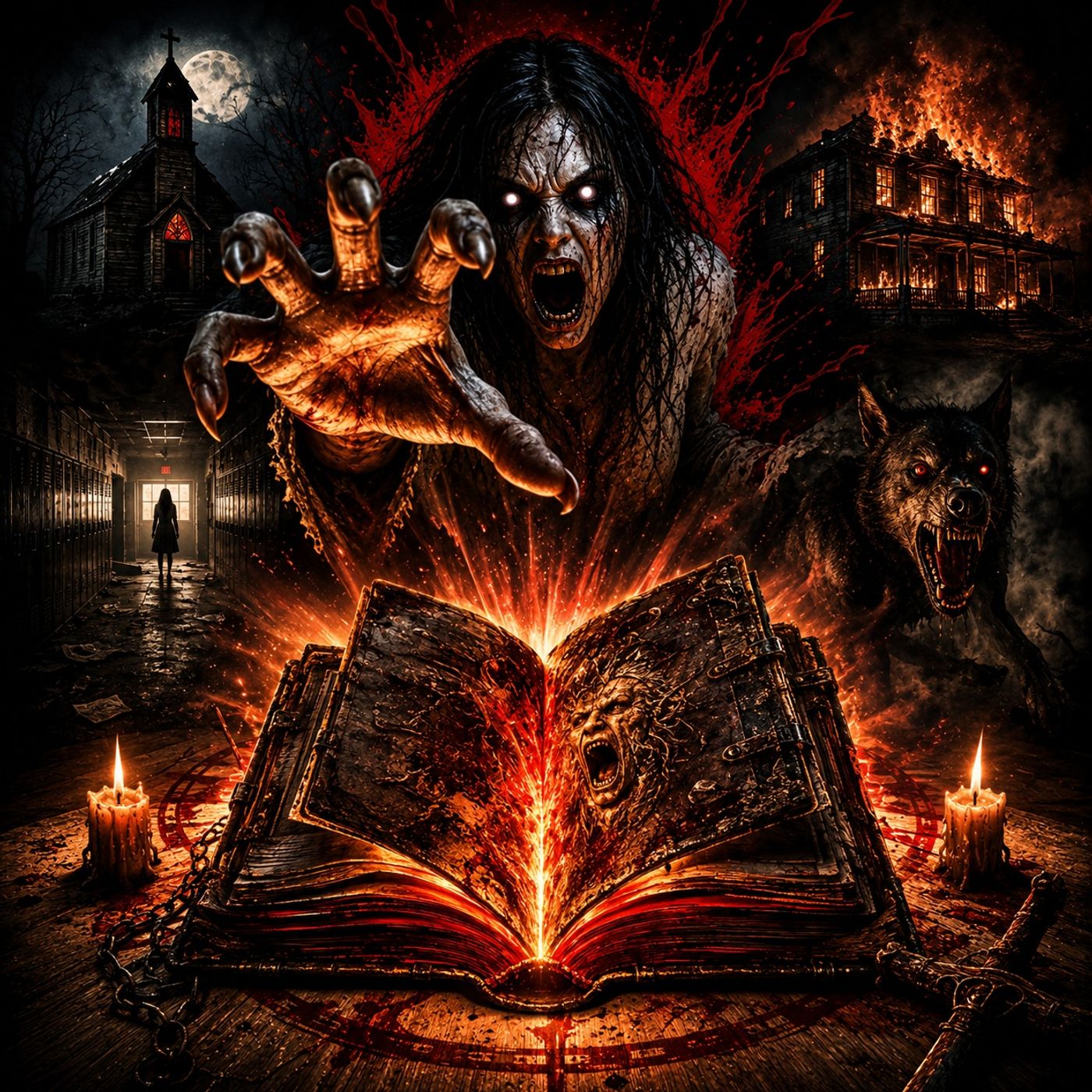
Perhaps no object is more iconic than the cursed book. Throughout the history of horror, these manuscripts serve as the primary gateway for summoning entities. The danger is not necessarily in the book itself, but in the knowledge contained within. By reading the text, the character creates an intellectual consent for the entity to enter their realm. This is a recurring theme in modern storytelling, where the act of learning the "truth" becomes the catalyst for the terror that follows.
Identifying Narrative Patterns
For those who love analyzing horror, identifying the lifecycle of a cursed object provides a roadmap for the story's climax. Typically, a cursed object goes through four stages: Discovery, Misunderstanding, Manifestation, and Reckoning. During the Discovery phase, the object appears benign, often acting as a trophy or a curious souvenir. In the Misunderstanding phase, the character attempts to rationalize the odd occurrences around them as coincidental. By the time the Manifestation occurs, the entity has fully attached itself to the user, leading to the inevitable Reckoning.
How to Spot the Red Flags
In creative writing and film criticism, we often look for the "red flags" of a cursed artifact. These include: sudden shifts in a character’s personality after touching the object, the object appearing in places where it shouldn't be, or the physical deterioration of the object's surroundings. If a character is exhibiting signs of demonic possession after acquiring an antique, the lore suggests the object has successfully established a parasitic bond.
If you are fascinated by the intersection of folklore and horror, you should Listen to the full episode to hear how these concepts play out in original, terrifying narratives. Dive deeper into the world of supernatural horror by exploring how these cursed relics drive the plot of our latest tales.
Frequently Asked Questions
What distinguishes a cursed object from a haunted place?
A haunted place is anchored to a specific location, while a cursed object is mobile, allowing the threat to follow the protagonist into their everyday life.
Why do so many horror stories feature cursed books?
Books symbolize knowledge, and in horror, forbidden knowledge is often the key that unlocks the door for demonic forces to enter our reality.
Can a cursed object be neutral?
Yes, many narratives portray the object as a neutral tool that simply channels the intent of whoever uses it, making the human interaction the most dangerous part of the story.