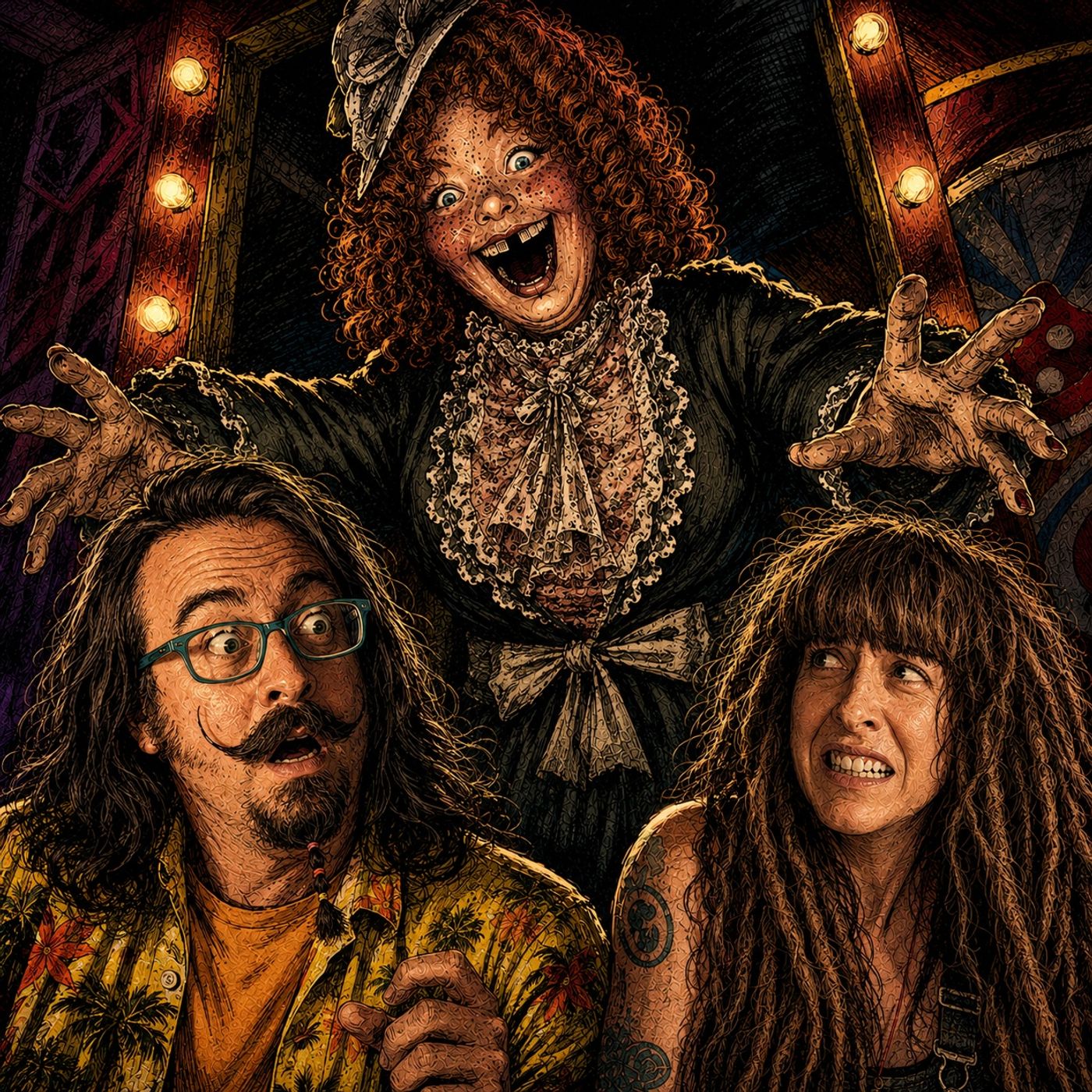
Why Are Vintage Carnival Animatronics Like Laughing Sal So Terrifying Today?
Vintage carnival animatronics like Laughing Sal trigger deep psychological dread due to the uncanny valley effect, combining hyper-realistic human features with jerky mechanical movements and relentless audio loops. Explore the history of these mid-century funhouse figures and why their relentless cackle haunts modern horror fans.
Key Takeaways
- Vintage carnival animatronics evoke the uncanny valley by blending human likeness with mechanical decay.
- Continuous audio loops, such as Laughing Sal's infamous cackle, heighten psychological tension.
- Mid-century amusement parks relied on sensory overload to thrill and mildly terrify visitors.
- Modern horror culture has transformed these relics of the midway into icons of psychological terror.
The Psychology of the Uncanny Valley in Mid-Century Animatronics
When amusement park visitors walked past a towering, freckled figure on the midway decades ago, they experienced a strange mixture of amusement and alarm. Today, we have a scientific term for this unsettling sensation: the uncanny valley. First introduced by roboticist Masahiro Mori, the concept suggests that as humanoid objects approach human likeness, our emotional response deepens into a feeling of revulsion when small imperfections reveal they are artificial.
Figures like the famous carnival animatronic discussed in our archives were manufactured using molded fiberglass or papier-mâché, finished with hand-painted facial features, synthetic hair, and sometimes real glass eyes. These material choices created a hyper-realistic yet lifeless appearance. Under the glaring fluorescent lights of a funhouse, the lack of micro-expressions or genuine organic warmth tricked the human brain into recognizing a threat. We are hardwired to read facial cues for safety, and when a face remains static while emitting wild laughter, our evolutionary defense mechanisms sound internal alarms.
The Role of Relentless Sound Design on the Midway
Visual presentation is only half the equation when examining why vintage funhouse figures command such dread. The audio engineering of mid-century amusement parks played an equally aggressive role in shaping visitor psychology. Early sound reproduction technology relied on endless loop magnetic tapes, vinyl discs, or mechanical cylinders that played the exact same three-second cackle on an infinite cycle.
Unlike modern animatronics featuring randomized tracks, positional audio, and responsive triggers, historical figures maintained a relentless, inescapable rhythm. Hearing an identical burst of manic laughter every four seconds without variation strips the sound of its human context. To the human brain, a laugh that never stops, never reacts to external stimuli, and lacks genuine amusement transforms rapidly into an aggressive auditory assault. This auditory persistence is precisely why recordings of antique funhouse figures continue to be sampled in modern psychological horror films and podcasts.
How Mechanical Limitations Created Horror
The machinery powering mid-century attractions was crude by today's standards. Driven by pneumatic cylinders, heavy-duty springs, and electric motors with minimal dampening, these figures moved with violent, jerky suddenness rather than fluid grace. A sudden turn of the head or a twitching arm launched outward with a metallic clank that startled patrons. These technical limitations—unintended snaps, groaning metal joints, and shuddering torsos—unwittingly laid the groundwork for modern mechanical horror.
From Amusing Attraction to Modern Urban Legend
Originally designed as cheerful icons meant to draw crowds into ticket booths and dark funhouses, these figures have undergone a radical cultural reinterpretation. As amusement parks modernized, many of these mechanical heavyweights were relegated to dusty warehouses, private collections, or destroyed altogether. The few survivors weathered by time and neglect took on new lives in internet lore, urban legends, and horror fandoms.
This shift demonstrates how objects change meaning over decades. What was once considered wholesome family entertainment in the mid-twentieth century now reads as an artifact of a bygone, slightly sinister era. The peeling paint, yellowed teeth, and exposed wiring of preserved funhouse figures serve as physical reminders of entropy, making them natural centerpieces for modern ghost stories and creepy cultural retrospectives.
Rediscovering the Golden Age of Midway Terror
The fascination with antique animatronics points to a broader cultural desire to revisit the tangible, tactile horrors of the past. While digital effects dominate modern attractions, the physical reality of a massive, loud, mechanical figure leaves an impression that pixels simply cannot replicate. To dive deeper into the strange history of these mechanical nightmares and explore a wide array of weird news, cryptid sightings, and paranormal investigations, Listen to the full episode. Join us every Wednesday for more terror tales and dark history.
Frequently Asked Questions
What is the uncanny valley effect in animatronics?
The uncanny valley effect describes the psychological revulsion people feel when humanoid objects, such as animatronic figures or realistic dolls, look and act almost—but not quite—human, triggering a sense of unease.
Why did old funhouse figures sound so disturbing?
Historical funhouse audio relied on continuous, unvarying loops of recorded laughter played via primitive sound systems. The lack of variation and organic response made the audio feel aggressive and haunting rather than cheerful.
How were mid-century carnival animatronics powered?
Most vintage amusement park figures were operated using basic electric motors, mechanical cams, and pneumatic cylinders, which resulted in sharp, jerky movements and audible metallic noises.
Where can I listen to more stories about creepy history?
You can explore deep dives into carnival history, paranormal reports, and strange news by tuning into the weekly episodes of our podcast.