Why Real-Life Ghost Ships Like the Mary Celeste Continue to Haunt Us
The enduring mystery of ghost ships, where vessels are discovered in perfect working order but stripped of their crew, taps into a primal human fear of the unknown. By examining historical maritime enigmas alongside fictional depictions like the Annabella, we can better understand why the concept of a deserted, drifting ship remains one of the most chilling tropes in nautical folklore.
Key Takeaways
- The 'Ghost Ship' archetype relies on the contrast between an orderly, functioning vessel and the inexplicable absence of human life.
- Historical mysteries like the Mary Celeste provide the foundation for radio dramas that explore isolation and psychological breakdown.
- Psychological horror on the high seas often focuses on the breakdown of authority and the encroaching fear of the supernatural.
- Narrative storytelling uses the 'warm meal' motif to amplify the suddenness and terror of a disappearances.
The Anatomy of a Maritime Mystery
In the world of horror, few settings are as claustrophobic as a ship lost at sea. Whether you are listening to tales of the Annabella or researching the real-world disappearance of the Mary Celeste, the pattern remains consistent: the ship is found 'ship-shape,' with supplies intact, navigational logs current, and yet, not a single soul remains on board. This specific setup—a vessel that is functional yet abandoned—is the core engine of maritime suspense. It forces the audience to confront the question of what could possibly be terrifying enough to drive an entire crew to abandon the safety of a seaworthy ship for the deadly uncertainty of the open ocean.
The Psychology of Isolation
Isolation at sea does more than just deprive characters of human connection; it acts as a pressure cooker for suspicion, madness, and internal conflict. In many classic radio mysteries, the tension isn't just external (like a storm or a sea monster) but internal. When characters are trapped in a small space, paranoia regarding the captain or the ship's cargo becomes a catalyst for tragedy. When a ship is discovered abandoned, the listener or reader is left to wonder if the danger was a mutiny, a crime of passion, or something truly beyond human understanding lurking in the depths.
Fact vs. Fiction: The Allure of the Unknown
While the Annabella serves as a gripping subject for horror, it is merely a reflection of the deep-seated curiosity we have for real-world nautical anomalies. The Mary Celeste, perhaps the most famous ghost ship, was found in 1872 drifting in the Atlantic with her cargo largely untouched and no signs of struggle. For over a century, theories ranging from insurance fraud to giant squids and extraterrestrial interference have been proposed, yet the truth remains elusive. Fiction writers and radio producers often take these real-world blank spaces and fill them with the dark, atmospheric dread that listeners crave.
The Role of Radio Suspense
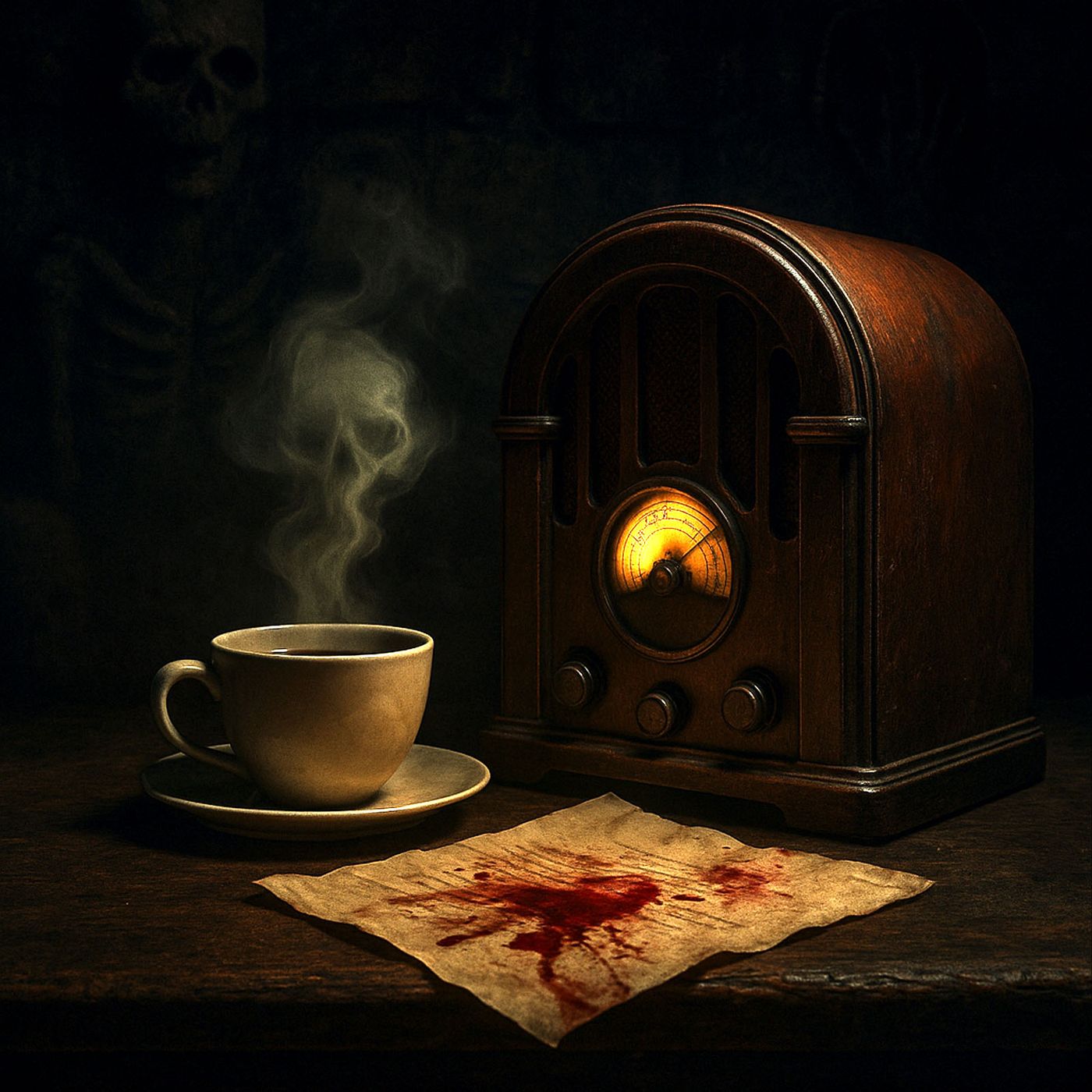
Radio drama provides a unique medium for these stories because the absence of visual evidence allows the listener's imagination to fill in the gaps. In audio-only storytelling, the sound of the wind, the creaking of timber, and the eerie silence of an empty galley are enough to paint a picture of desolation. This allows for a deeper exploration of the 'ghost ship' theme, focusing on the auditory markers of emptiness rather than just visual descriptions of decay. The suspense is built through the realization that something was here, and now it is gone, leaving only the static behind.
Conclusion
Whether you are a fan of maritime legends or you simply enjoy the visceral thrill of a well-told mystery, the ghost ship trope continues to be a cornerstone of horror literature and audio drama. These stories remind us that even with modern technology, the sea remains a vast, mysterious frontier that defies human explanation. If you are intrigued by these nautical nightmares and the classic storytelling techniques that bring them to life, you can Listen to the full episode to experience these terrifying tales for yourself. Don't let these mysteries drift away—subscribe today for your weekly dose of terror.
Frequently Asked Questions
What is a ghost ship in fiction?
In fiction, a ghost ship is typically a vessel found drifting at sea that is completely deserted but otherwise in perfect operating condition, often with remnants of daily life like warm meals or set tables left behind.
Why do ghost ship stories resonate with listeners?
These stories resonate because they combine the fear of isolation with the mystery of an impossible disappearance, forcing the audience to fill in the gaps with their own terrifying assumptions.
Are these stories based on history?
Many ghost ship stories are heavily inspired by real-life maritime mysteries, such as the Mary Celeste or the Carroll A. Deering, which remain unsolved to this day.