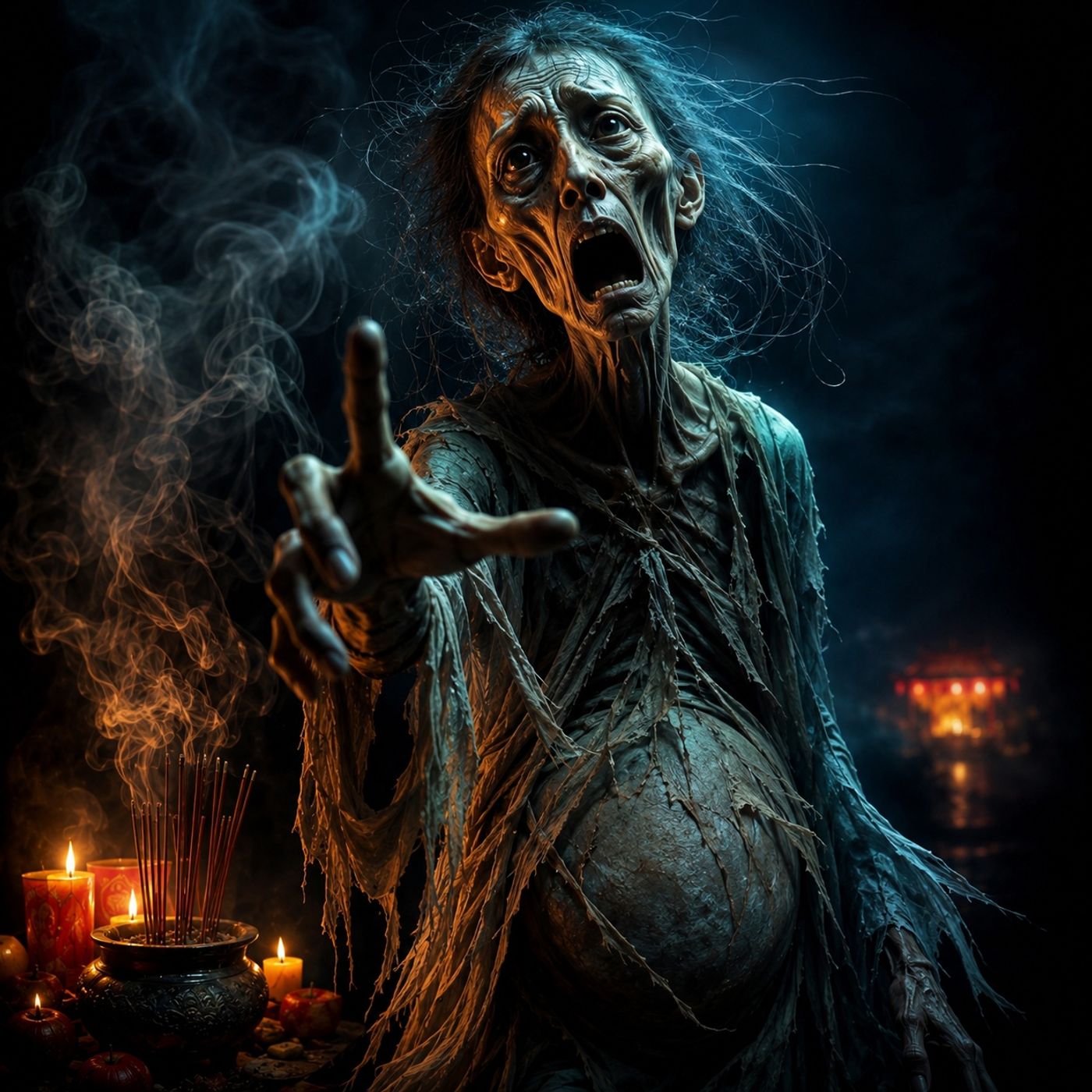
Why the Front Row is Left Empty at Getai and Wayang Performances
During the seventh lunar month in Singapore and Malaysia, traditional getai and wayang performances often feature an eerie sight: an entirely vacant front row. This specific regional custom leaves the best seats in the house reserved for unseen spiritual guests, blending public neighborhood entertainment with profound cultural reverence for wandering souls.
Key Takeaways
- Getai and wayang performances during the seventh lunar month frequently leave the entire front row empty.
- These vacant seats are intentionally reserved for wandering spirits and unseen guests attending the festivities.
- Sitting in these designated spaces is considered a serious cultural taboo across many local communities in Singapore and Malaysia.
- The custom transforms public streets and stages into shared spaces bridging the living and the dead.
The Tradition of Getai and Wayang Stages
When the seventh lunar month arrives, urban neighborhoods in Singapore and Malaysia transform. Brightly lit stages appear between apartment blocks, hosting getai (song stages) and traditional wayang (Chinese opera) performances. These events are loud, joyful, and visually vibrant, featuring flashing costumes, energetic hosts, and massive sound systems designed to ensure the entire neighborhood can hear the festivities. Far from hushed, solemn seances, these celebrations are community-wide entertainment hubs.
However, amidst the bright lights and booming speakers, a strict spatial boundary is maintained. While the living crowd gathers behind, the front row of plastic chairs remains bare. This is not due to a lack of ticket sales or poor attendance; rather, it is a deliberate architectural and ritual choice designed to honor the invisible members of the audience.
Why the Front Row Remains Vacant
The practice of leaving the front row empty stems from the core philosophy of the seventh lunar month—often referred to under the umbrella of Hungry Ghost Month. While families honor their ancestors, public spaces also accommodate wandering spirits who have no descendants to tend to them. Providing these spirits with food, incense, and joss paper is a form of hospitality.
Extending that hospitality to a live performance means giving the best seats in the house to the honored, albeit unseen, guests. Performers and organizers acknowledge these spirits as part of the audience, treating the front row as occupied space. It shifts the perspective of the entire event: the show is performed just as much for the invisible entities lingering at the curb as it is for the living residents sitting further back.
Taboos and Rules for Spectators
Whenever spaces are reserved for the supernatural, strict social rules naturally follow. Intentionally or accidentally taking a seat in the empty front row is heavily discouraged by local elders and event organizers. Upgrading your view to the front row means intruding upon space prepared for extra special unseen guests.
While internet horror stories often sensationalize these traditions into rigid, fear-inducing escape-room rules, the reality is rooted in communal respect and etiquette. Just as you would not casually step over a roadside food offering or disturb an altar table, respecting the vacant front row is a matter of cultural awareness and courtesy toward shared neighborhood traditions.
Conclusion
The empty front row at a getai or wayang performance captures the unique essence of seventh lunar month traditions. It is a powerful reminder that invisibility does not mean non-existence, and that hospitality can extend even to those with no living family left to remember them. To dive deeper into the folklore, religious roots, and regional beliefs surrounding these practices, Listen to the full episode of Weekly Spooky for a spine-tingling journey through supernatural folklore.
Frequently Asked Questions
What is getai?
Getai translates to "song stage" and refers to lively, vibrant stage performances featuring singing, comedy, and hosting held in neighborhoods during the seventh lunar month in places like Singapore and Malaysia.
Why are seats left empty at these shows?
The entire front row is intentionally left vacant to serve as reserved seating for wandering spirits and unseen guests who are believed to attend the neighborhood performances.
What happens if someone sits in the reserved front row?
Sitting in the vacant front row is considered a breach of cultural etiquette and a sign of disrespect toward the spirits for whom the space has been prepared.
Is this practice found everywhere during the seventh month?
No, these customs vary significantly by region, community, and even by individual performers and organizers in Singapore, Malaysia, and other parts of Asia.