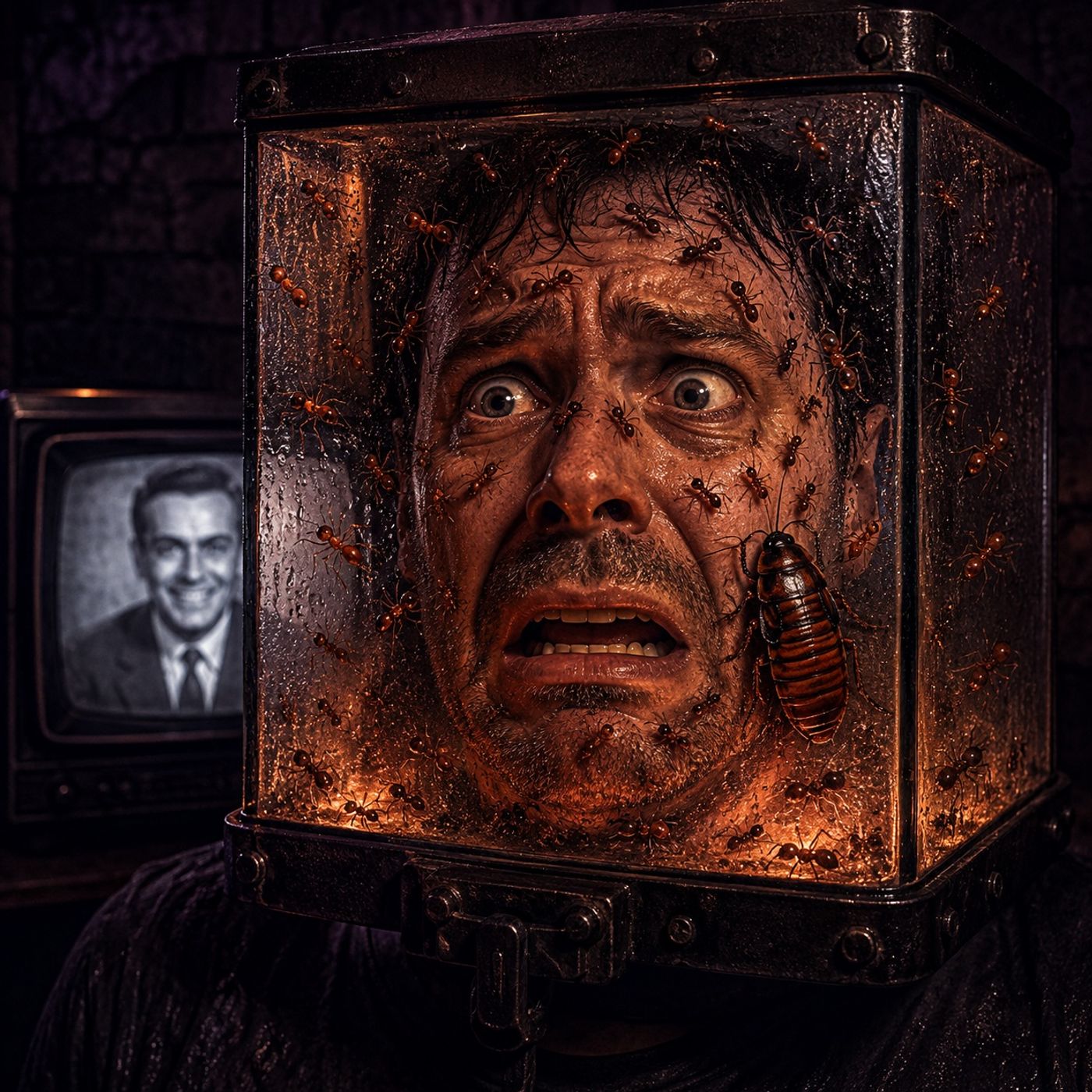
Why Entomophobia Horror Stories Trigger Deep Psychological Fear
Entomophobia horror stories weaponize our deepest primal fears by combining the revulsion of crawling pests with inescapable claustrophobia. By forcing characters into close contact with fire ants, centipedes, and cockroaches, this subgenre of horror fiction explores the absolute loss of bodily autonomy, transforming familiar creatures into agents of psychological torment and karmic retribution.
Key Takeaways
- Entomophobia taps into primal disgust and bodily autonomy violations.
- Claustrophobic setups like cranial aquariums amplify feelings of helplessness.
- Insects represent microscopic, unstoppable forces that overwhelm human scale.
- Horror fiction using bugs often mirrors psychological dread rather than just gore.
The Science of Bug Revulsion and Fear
Human beings are hardwired to recoil from insects. Evolutionary psychologists suggest that our aversion to bugs stems from disease avoidance and the need to stay away from venomous or parasitic organisms. When this natural aversion is dialed up to eleven in horror narratives, it bypasses intellectual reasoning and strikes directly at the limbic system. The sensation of tiny legs moving across sensitive skin—whether real or imagined—creates an immediate physical reaction.
In stories that focus heavily on entomophobia, the terror is rarely about being eaten alive in the traditional monster-movie sense. Instead, it is about invasion. Pests crawl into places they do not belong: nasal passages, ear canals, and across the surface of the eyeball. This invasion of the facial landscape represents the ultimate violation of personal space and physical integrity.
Claustrophobia and the Cranial Aquarium Setup
Physical entrapment is a staple of effective horror, but restricting movement around the head introduces a unique brand of psychological torture. When a character wakes up with a glass enclosure locked around their skull, their field of vision is restricted, their breathing fogs the glass, and every movement brings them face-to-face with the very creatures they despise.
This design style shifts the horror from external threat to internal realization. The victim cannot run, cannot hide, and cannot even close their eyes without feeling the frantic motion of legs and mandibles. The glass acts as a cruel amplifier of panic. Every frantic breath increases the humidity inside the box, turning the enclosure into a miniature, suffocating terrarium.
Karma and Cruel Poetic Justice
Beyond the visceral gross-out factor, bug horror often serves as a vehicle for poetic justice. When bullies who once forced others to consume insects find themselves trapped with a colony of crawlers, the narrative achieves a dark, symmetric balance. The tormentors are forced to experience the exact scale of helplessness they once inflicted upon their victims.
This psychological payback elevates the story from a simple creature feature into a meditation on past cruelty. The insects are no longer just random hazards; they are the physical manifestation of karma, given thousands of tiny legs and driven by a collective hunger for retribution. It reminds readers that actions have long-tail consequences, sometimes coming back to crawl when least expected.
Conclusion
Entomophobia horror stories prove that true terror often comes in small, multi-legged packages. By weaponizing our natural disgust, claustrophobia, and the weight of unaddressed karma, these tales leave a lasting psychological itch that no amount of scratching can relieve. If you are brave enough to explore the darker side of insect horror, Listen to the full episode to experience the chilling audio adaptation and discover what happens when the past comes back crawling.
Frequently Asked Questions
What is entomophobia in the context of horror fiction?
Entomophobia is the abnormal fear of insects. In horror fiction, it is used to trigger visceral disgust, bodily invasion fears, and extreme psychological panic.
Why do head-mounted traps create such intense claustrophobia?
Head-mounted enclosures like aquariums restrict breathing, limit sight, and place crawling pests directly against the most sensitive areas of the face and sensory organs.
How does bug horror compare to traditional monster horror?
Unlike single large monsters, insect swarms represent thousands of independent, tiny threats that can infiltrate every crevice, making them feel impossible to fight off.