Why Does Weird Fiction Love Body Horror? The Grotesque Metamorphosis of Everyday Food
Weird fiction body horror often subverts the most mundane elements of daily life, transforming innocent domestic routines into grotesque nightmares. By weaponizing familiar items like breakfast ingredients, storytellers exploit our foundational need for safety and predictability in the home kitchen.
Key Takeaways
- Everyday domestic objects, like a carton of fresh farm eggs, create an immediate sense of false security in horror narratives.
- Body horror relies on the subversion of familiar biological life cycles into monstrous, impossible anatomical mutations.
- The Keystone Cooperative Growers Association trope represents corporate or cosmic forces invading the safety of the home kitchen.
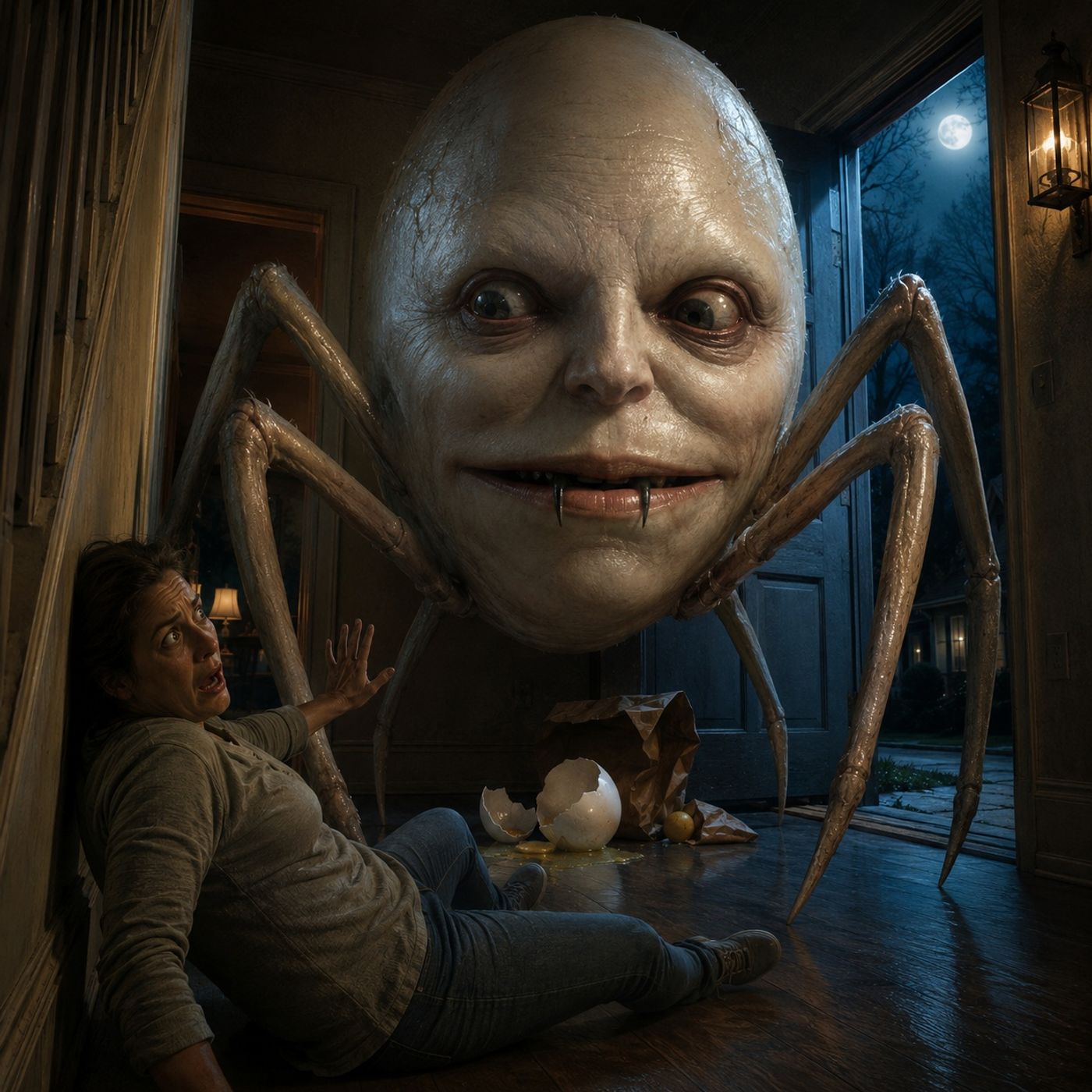
- Grotesque transformations, such as spider-legged human heads, leverage visceral disgust to amplify psychological dread.
- Weird fiction thrives on blending dark comedy with surreal terror to catch readers and listeners completely off guard.
The Psychology of Domestic Horror
There is a distinct psychological comfort found in the rituals of home economics. Opening the refrigerator to find fresh groceries, preparing a simple breakfast, or exchanging polite pleasantries with a stranger on the porch are pillars of ordinary social order. When weird fiction dismantles these rituals, it does not just scare the audience; it pulls the rug out from underneath their foundational worldview.
In stories featuring surreal agricultural anomalies, the horror stems from politeness. The protagonist wants to be courteous, ignoring nagging internal alarms because suspicion feels like bad manners. This weaponization of social etiquette is a masterclass in tension building. The reader watches in agony as the character chooses civility over self-preservation, walking straight into a trap orchestrated by forces far beyond human comprehension.
Subverting Biology Through Body Horror
Body horror thrives on anatomical perversion. We understand the natural world through predictable biological rules: chickens lay eggs, eggs contain yolks, and living creatures follow established life cycles. When weird fiction introduces an entity that defies these laws—such as an egg producing an egg-shaped human head supported by spider-like legs—it triggers a primal sense of wrongness.
This kind of grotesque metamorphosis goes beyond mere jump scares. It forces the protagonist, and the audience, to witness the systematic unraveling of physical reality. The creature does not merely exist; it grows, feeds, and mimics human forms through horrific cellular restructuring. The utilization of a proboscis to drain vitality and reconstruct features into familiar faces turns grief and interpersonal connection into weapons of biological subjugation.
The Role of Absurdist Dark Comedy
One of the most effective tools in weird fiction is the inclusion of pitch-black humor. The juxtaposition of a terrifying, multi-legged entity terrorizing a living room with casual, mundane dialogue creates an unforgettable atmosphere. Characters trying to maintain normal social niceties while their date has just been violently drained of blood introduces an absurd level of cognitive dissonance.
This dark comedic edge acts as a pressure valve for the audience. It acknowledges the sheer ridiculousness of the premise while doubling down on the terror. When a protagonist tries to rationalize a nightmare by contemplating a trip to the bank or debating neighborly etiquette with a horrifying hexapod, the narrative achieves a unique blend of surrealism and dread.
Conclusion
Explorations into weird fiction and biological nightmares remind us why we crave spooky storytelling in all its forms. Whether you are fascinated by pulp monsters, unsettling creature designs, or the psychological toll of cosmic agricultural cults, these tales challenge the boundaries of our comfort zones. To dive deeper into this specific brand of offbeat terror, be sure to Listen to the full episode and experience the visceral dread firsthand.
Frequently Asked Questions
Why is food a popular motif in weird fiction body horror?
Food represents total intimacy and vulnerability. Ingesting or preparing food requires us to trust its origins, making the sudden corruption of items like milk, meat, or eggs a powerful catalyst for visceral dread and existential violation.
What defines the subgenre of weird creature horror?
Weird creature horror combines traditional monster tropes with surreal, inexplicable elements that defy normal biological classification. These entities often possess human-like features, impossible anatomies, and uncanny intelligence that disturb our understanding of nature.
How does dark comedy enhance body horror storytelling?
Dark comedy creates brief moments of emotional whiplash, making the ensuing horrific revelations feel even more jarring. Absurd dialogue and mundane domestic frustrations contrast sharply with grotesque anatomical transformations.