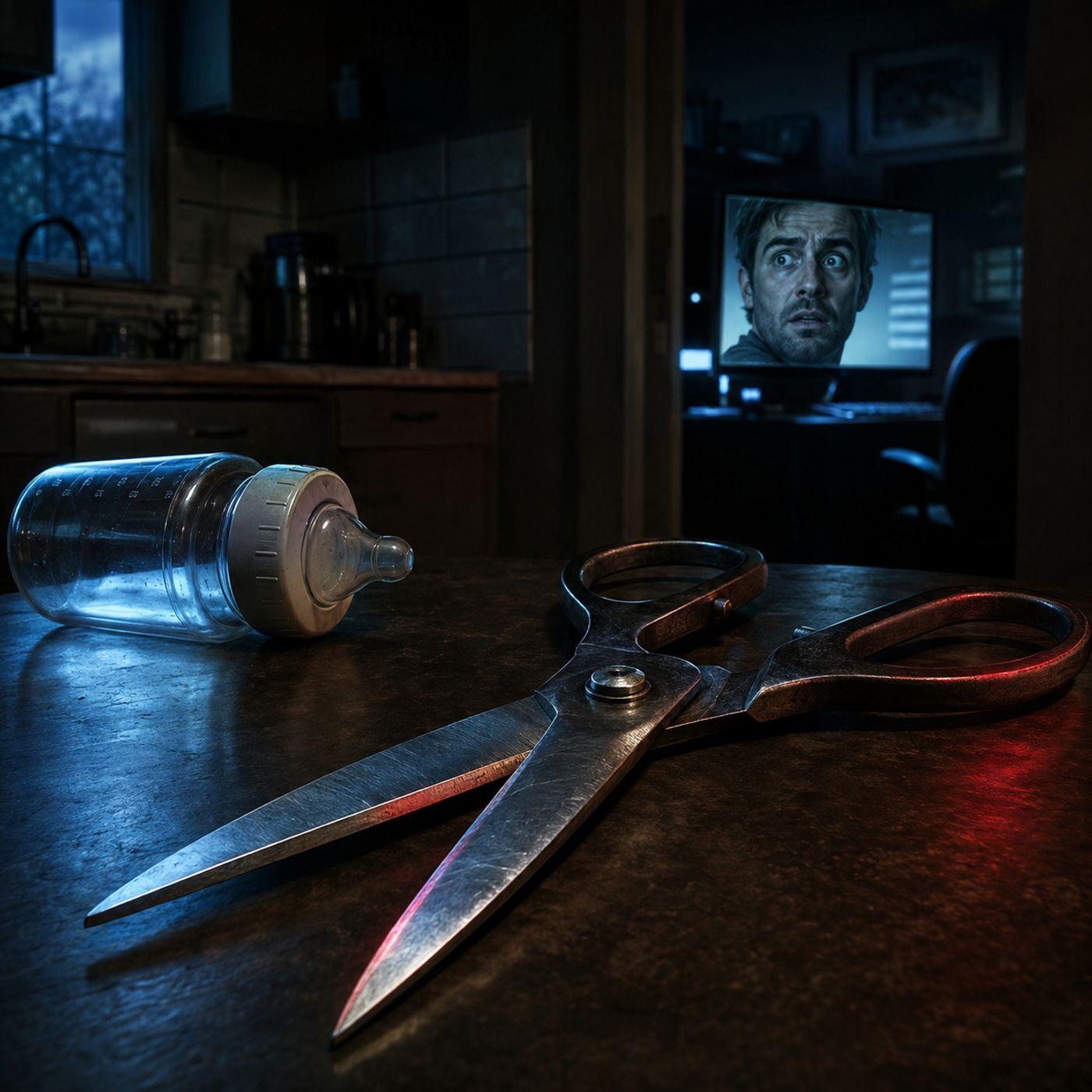
Why Unreliable Narrator Tropes in Horror Work So Effectively on the Human Psyche
Unreliable narrator tropes in horror exploit the fundamental human fear of misinterpreting reality, forcing audiences to navigate terrifying situations through a distorted lens. By utilizing naive, young, or cognitively impaired perspectives, storytellers bypass logical defenses and plunge readers directly into psychological unease. This narrative technique turns everyday domestic spaces into labyrinths of dread, where survival depends on logic the narrator simply does not possess.
Key Takeaways
- Unreliable narrators create cognitive dissonance by forcing readers to reconcile two entirely different realities.
- A child's perspective strips away adult coping mechanisms, leaving raw, uninterpreted fear.
- Innocence combined with graphic body horror creates a deeply unsettling narrative contrast.
- Silence and muteness in protagonists heighten internal psychological tension over external dialogue.
The Psychology of Naive Narrators in Horror
When horror fiction is filtered through the mind of a six-year-old, the entire architecture of fear changes. Adults rely on context, history, and predictive reasoning to navigate threats. A child, however, accepts abnormal environments as normal simply because they have no baseline for comparison. In narrative design, this creates what literary theorists call dramatic irony on a visceral scale. The reader watches helplessly as the protagonist misinterprets warning signs, neglect, and looming tragedy as routine parts of daily life.
This psychological distance is precisely what makes the experience so haunting. Instead of experiencing terror through adrenaline-fueled fight-or-flight responses, the audience experiences a slow, creeping dread. The narrator's calm, matter-of-fact acceptance of horrifying circumstances clashes violently with the reader's growing panic. This friction generates a unique brand of suspense that traditional omniscient narration can rarely replicate.
The Power of Juxtaposition: Childhood and Atrocity
One of the most effective methods within unreliable narrator tropes in horror is the blending of wholesome childhood concepts with grotesque physical trauma. Games like Candy Land, favorite breakfast cereals, nursery rhymes, and simple household chores are weaponized against the listener's comfort zone. When a protagonist views a horrifying medical emergency through the lens of a board game or views severe bodily harm as an attempt to solve a practical problem like milking a cow, the horror multiplies.
The human brain struggles to categorize these extremes simultaneously. We want to protect children, yet in these stories, the child's absolute ignorance transforms them into agents of unimaginable chaos. They operate with pure intent—such as trying to feed a crying infant—while executing actions that defy comprehension. This strips away the traditional moral boundaries of horror; there is no malice in the protagonist's actions, only a tragic, terrifying misunderstanding of biology and survival.
Muteness and Internal Isolation
Narratives featuring characters who cannot speak add an additional layer of isolation. Without the ability to verbalize distress, ask clarifying questions, or call out for adult intervention, the protagonist is trapped entirely inside their own head. Their observations are untethered from external dialogue, leaving their internal monologue as the sole guide through the darkness.
The Weight of Unspoken Observations
In written and audio horror alike, a silent protagonist forces the audience to listen closer. Every subtle detail noticed by the narrator—the smell of pennies, the flashing lights of a computer monitor, the sound of muffled arguments through a bedroom door—carries immense weight. Because these observations are never discussed or analyzed aloud, they accumulate silently until the narrative reaches its shocking apex. The silence becomes a character in its own right, amplifying every breath, every scrape of furniture, and every stifled scream.
Conclusion
Unreliable narrator tropes in horror remain a masterclass in psychological manipulation because they force us to question our own understanding of reality, innocence, and safety. By trapping us inside the mind of someone who cannot comprehend the nightmares unfolding around them, creators deliver an unforgettable brand of terror that stays long after the story ends. To experience a masterclass in this specific brand of unsettling, childlike psychological horror, Listen to the full episode. Dive into the complete narration and discover how Weekly Spooky brings these dark tales to life every single week.
Frequently Asked Questions
What defines an unreliable narrator in horror fiction?
An unreliable narrator is a storytelling device where the narrator's credibility is compromised, often due to age, mental state, or naivety, forcing the audience to piece together the true, horrifying reality behind their innocent interpretations.
Why do writers use children as narrators in dark horror stories?
Children lack the contextual framework to understand trauma, abuse, or grotesque violence. This innocence creates dramatic irony, amplifying the horror for the reader who understands the grim reality long before the child does.
How does cognitive dissonance enhance scary storytelling?
Cognitive dissonance occurs when comforting concepts like family, safety, and childhood games are juxtaposed with graphic horror, creating a jarring mental friction that lingers long after the story ends.
What role does internal monologue play in mute protagonists?
When a protagonist cannot speak aloud, their entire experience is filtered through an unfiltered internal landscape, making their misunderstandings of danger feel intensely intimate and claustrophobic.