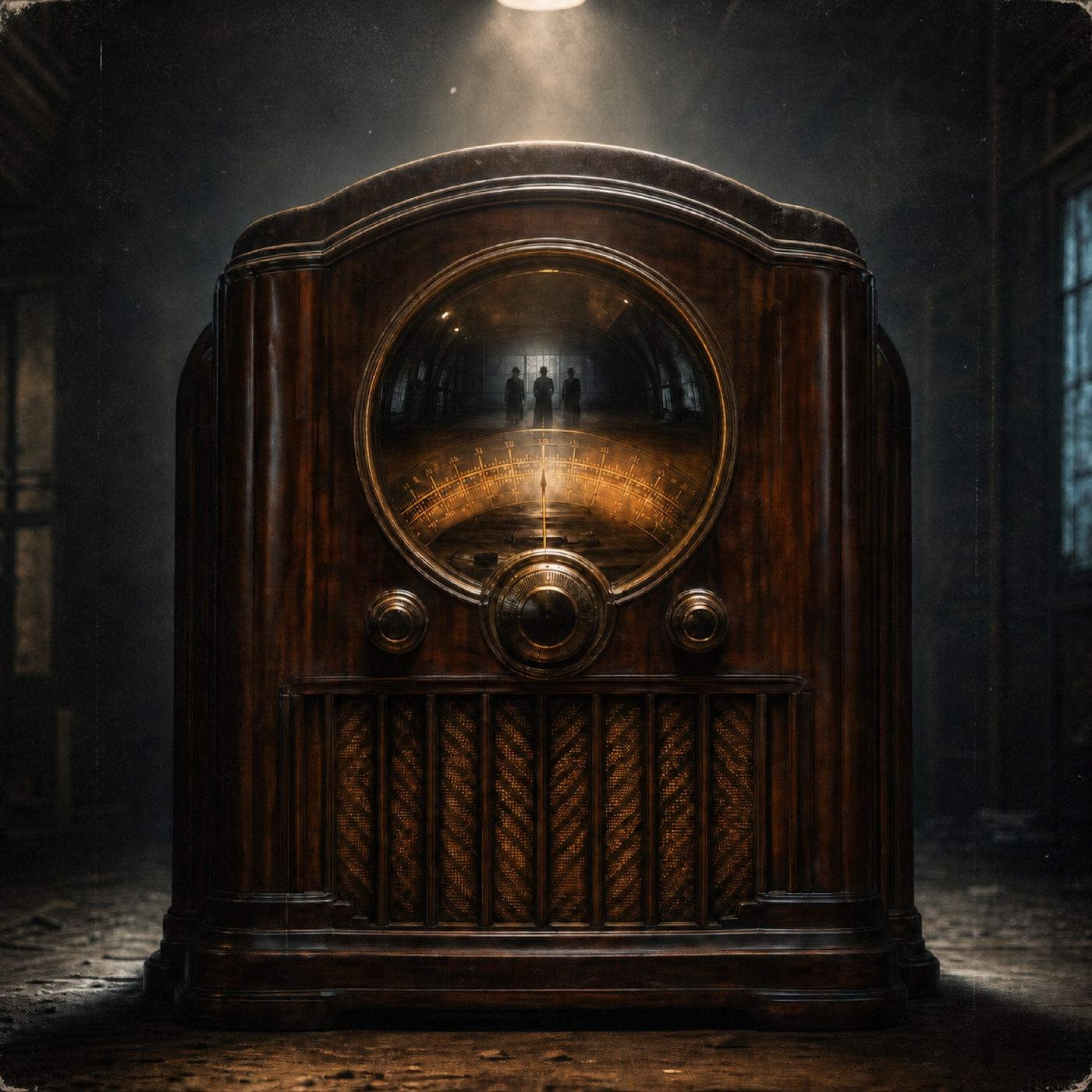
Why Old Time Radio Storm Horror Relies on Extreme Psychological Claustrophobia
Old time radio storm horror relies heavily on extreme psychological claustrophobia by trapping characters in isolated physical spaces while their internal sanity unravels. By cutting off all outside rescue routes with torrential rain, flooding, or hurricanes, classic audio dramas force victims to confront dangerous companions, dark secrets, and their own fractured mental states in terrifying confinement.
Key Takeaways
- Weather isolation serves as a narrative device to trap characters with hidden threats and unstable personalities.
- Classic audio dramas like Suspense and CBS Radio Mystery Theater used sound design to amplify panic and environmental pressure.
- Forcing characters indoors during hurricanes and floods exposes preexisting psychological fractures and deep-seated fears.
- Audio-only storytelling relies on dialogue, pacing, and auditory cues rather than visual jumpscares to build dread.
The Architecture of Isolation in Audio Drama
When the rain starts pouring and the power grid inevitably fails, characters in vintage suspense broadcasts find themselves cast into an immediate state of defenselessness. The brilliance of mid-century radio horror lies in its economy of space. A lonely beach house on the Florida coast or an isolated crossing across the English Channel is not merely a setting; it is a pressure cooker. When a hurricane rolls in with winds reaching over a hundred miles per hour, the physical structure of the shelter transforms from a haven into a cage. The outside world ceases to exist, leaving only the immediate room, the flickering kerosene lamp, and the shifting dynamics between strangers forced together by meteorological disaster.
This deliberate contraction of space forces listeners to pay acute attention to interpersonal tension. Without complex visual effects, the listener must rely entirely on vocal cadence, hesitant pauses, and the ominous howling of wind battering windowpanes. As the storm cuts off telephone lines and floods roadways, the realization sinks in that no help is coming. This is the foundational hallmark of psychological storm horror: the external threat of nature mirrors the internal erosion of trust among those trapped inside.
Sound Design as a Psychological Weapon
Mastering audio horror requires a delicate balance between silence and overwhelming auditory assault. In classic broadcasts, the relentless roar of a hurricane is layered meticulously beneath dialogue to create a constant state of subconscious agitation. Sound effects technicians did not just throw noise at the microphone; they modulated volume and tone to reflect the rising panic of the characters. When a door slams open because of a sudden gust, or floorboards creak under stealthy footsteps, the listener's imagination fills in the terrifying blanks. This auditory claustrophobia tricks the brain into feeling trapped inside the very same room with dangerous adversaries and unreliable narrators.
Deconstructing the Unreliable Mind Under Pressure
Extreme weather acts as an accelerant for psychological instability. In stories featuring desperate criminals, hidden identities, and long-buried grievances, the sensory deprivation of a storm causes characters to snap under the weight of their own secrets. When an embezzler hopes a flood will wash away his paper trail, or when a kidnapped victim tries desperately to signal innocent bystanders who are entirely out of their depth, the narrative thrives on misdirection and gaslighting. The dialogue becomes a chess match where every single word carries lethal weight.
Furthermore, these vintage audio scripts frequently toy with the concept of sanity itself. When a character discovers a straight jacket tucked away in a quiet back bedroom, the realization dawns that the monster isn't just outside braving the hurricane—the monster was hosting them all along. The psychological toll of confinement distorts reality, making it nearly impossible for the victims to determine who is a threat, who is a savior, and who has lost touch with the world entirely.
Why We Keep Returning to Storm Horror
There is a primitive, deeply ingrained comfort in listening to tales of terror while sitting safely in a dry, well-lit room. Storm horror taps into our most fundamental anxieties about vulnerability against nature and human malice. We crave the cozy terror of a crackling fire contrasted with the howling gale outside. It allows us to experience high-stakes survival scenarios without leaving our armchairs, testing our own psychological resilience alongside the doomed protagonists of classic radio history.
If you want to experience these masterclasses in atmospheric terror, where every thunderclap punctuates a betrayal and every gust of wind seals another exit, you owe it to yourself to dive into the archives. Listen to the full episode to hear these gripping stories unfold with all the vintage suspense, chilling voice acting, and masterful soundscapes that defined a golden age of horror broadcasting.
Frequently Asked Questions
What makes storm settings effective in horror audio dramas?
Storm settings naturally isolate characters by cutting off communication lines, flooding escape routes, and forcing strangers into confined spaces, which rapidly amplifies interpersonal tension and psychological paranoia.
How did old-time radio shows create suspense without visuals?
Producers relied on precise pacing, layered sound effects like howling wind and cracking thunder, and nuanced voice acting to let the listener's imagination construct the terror.
Why is psychological claustrophobia a central theme in these stories?
When physical escape is rendered impossible by extreme weather, characters are forced to confront internal fears, mental instability, and dangerous secrets held by their companions.
Where can I listen to classic storm horror audio dramas?
You can explore curated vintage horror broadcasts and suspenseful tales through dedicated podcast episodes that revive these golden-age radio gems.