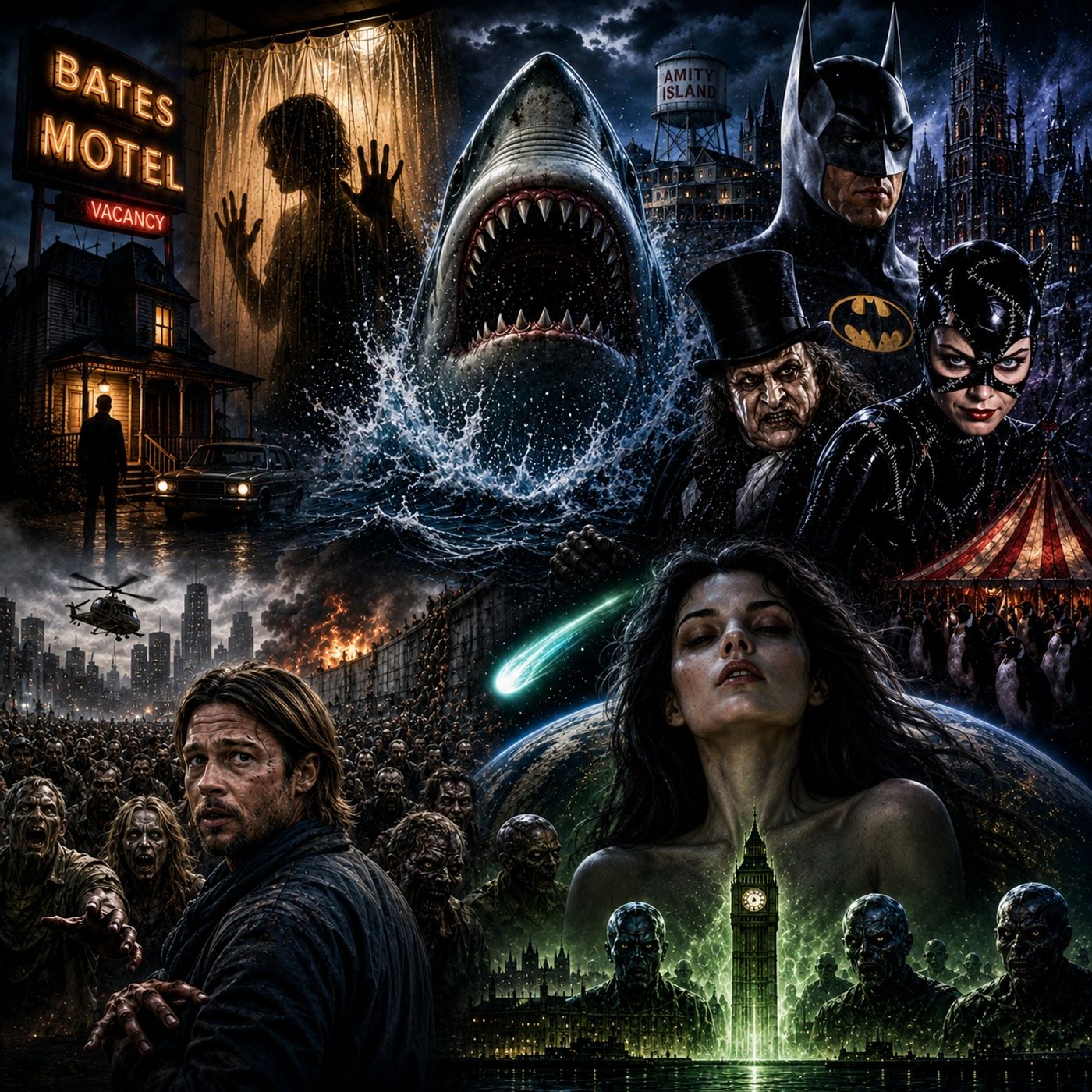
Psycho's 'No Late Admissions' Rule: A Masterclass in Manipulating Moviegoers
Alfred Hitchcock's 'Psycho' didn't just shock audiences; it controlled them. Banning latecomers to the theater wasn't just a rule, it was a strategic stroke that fundamentally altered how films were experienced, turning a simple screening into an unmissable, immersive event.
Key Takeaways
- Alfred Hitchcock's 'Psycho' implemented a strict 'no late admissions' policy, a radical departure from cinematic norms.
- This policy was designed to preserve the film's intricate plot and ensure every viewer experienced the narrative's crucial twists as intended.
- By preventing late entries, Hitchcock created a sense of urgency and exclusivity, enhancing the communal viewing experience.
- The 'no late admissions' rule transformed moviegoing from a passive activity into a carefully curated event, boosting the film's overall impact.
- This strategy underscored Hitchcock's mastery of psychological manipulation, extending it beyond the screen to the audience's behavior.
- The success of this policy demonstrated the power of controlled distribution in amplifying a film's cultural and commercial reach.
Hitchcock's Audacious Decision: No Late Admissions
The year was 1960, and Alfred Hitchcock was preparing to unleash a film that would redefine the horror genre: 'Psycho.' While the film's iconic shower scene and chilling narrative are etched in cinematic history, one of its most revolutionary aspects wasn't on screen – it was in the theater lobby. Hitchcock, a renowned master of suspense and audience manipulation, enacted a groundbreaking policy for 'Psycho's' release: absolutely no late admissions. This wasn't a mere suggestion; it was a hard and fast rule that sent ripples through the film industry and fundamentally altered the moviegoing experience.
In an era where audiences could typically stroll into a theater at any point, catch up on the plot, and leave whenever they pleased, Hitchcock's decree was revolutionary. He understood that the carefully constructed narrative of 'Psycho,' with its shocking twists and turns, relied on a complete and uninterrupted viewing. Allowing patrons to enter late would inevitably lead to missed plot points, spoiled surprises, and a diminished impact from the film's most pivotal moments. This wasn't just about preventing spoilers; it was about orchestrating a specific emotional and psychological journey for every single viewer.
The episode of 'Weekly Spooky,' "This Week in Horror History | Legendary Terror & Cosmic Nightmares June 15–21," touches upon how 'Psycho' rewrote the rules of horror moviegoing. While the episode explores the film's broader impact, its innovative release strategies, particularly the 'no late admissions' policy, deserve a deeper dive. This wasn't just a clever marketing ploy; it was a carefully calculated strategy to maximize the film's suspense and shock value, turning a simple film screening into an event that demanded full attention and participation from its audience.
Crafting an Unmissable Event
Hitchcock's decision to bar latecomers was a bold move that played on several psychological principles. Firstly, it leveraged the fear of missing out (FOMO), a concept perhaps even more potent before the advent of social media. By declaring that entry would be forbidden after the film began, Hitchcock created a sense of urgency. Potential viewers knew that if they wanted to experience 'Psycho' as intended, they had to be there on time, or risk being excluded entirely. This transformed the act of going to see a movie from a casual pastime into a commitment.
Secondly, the policy fostered a sense of communal participation. When everyone in the theater is experiencing the film from the very beginning, there's a shared journey. The collective gasp at a surprise, the unified tension during a suspenseful scene – these shared reactions are amplified when everyone is on the same narrative page. By ensuring no one entered mid-stream, Hitchcock created an environment where the audience's collective anticipation and subsequent reactions were synchronized, thereby enhancing the film's power. It turned the cinema into a carefully controlled laboratory of fear and surprise.
The Legacy of the Late Admission Ban
The impact of 'Psycho's' 'no late admissions' policy extended far beyond its initial theatrical run. It set a precedent for how major films, especially those relying heavily on plot twists and suspense, could be marketed and released. While not every film adopted this strict policy, the idea of creating an 'event' around a movie premiere gained traction. Studios began to understand the power of controlling the audience's viewing environment to maximize the film's impact and buzz.
This strategy was particularly influential for the burgeoning blockbuster era. Films like 'Star Wars' and later, the 'Harry Potter' and 'Lord of the Rings' franchises, benefited from the idea that seeing a movie at its release, as part of a collective experience, was the 'correct' way to engage with the story. Hitchcock's 'Psycho' proved that meticulous control over distribution could be as powerful as masterful filmmaking itself. It highlighted that the audience's journey into the film's world could be as carefully curated as the narrative within it.
The psychological manipulation at play in 'Psycho' was not confined to Norman Bates' disturbed mind. Hitchcock masterfully extended this manipulation to the audience, dictating not just what they would see, but when they would see it, and in what context. The 'no late admissions' rule was a stroke of genius that ensured 'Psycho' was not just watched, but *experienced* in its full, intended, and terrifying glory. It elevated moviegoing from a passive act to an intentional, immersive event, a legacy that continues to influence film releases today.
Frequently Asked Questions
Q: Why did Alfred Hitchcock ban late admissions for 'Psycho'?
Hitchcock banned late admissions to ensure audiences experienced the film's crucial plot twists and suspenseful narrative without interruption, thereby maximizing its intended impact.
Q: Was the 'no late admissions' policy common for films at the time?
No, it was highly unconventional. Typically, movie theaters allowed patrons to enter at any time during a screening.
Q: How did this policy affect the audience's experience?
It created a sense of urgency, encouraged communal viewing, and ensured that every viewer was present for the film's critical narrative developments, amplifying the suspense and shock value.
Q: Did other films adopt this 'no late admissions' rule after 'Psycho'?
While not universally adopted, the success of 'Psycho' influenced the marketing and release strategies of major films, particularly blockbusters, encouraging the idea of creating a 'movie event' that audiences wouldn't want to miss any part of.
Q: How did 'Psycho's' release strategy contribute to its legacy?
It turned the act of watching the film into a carefully controlled, immersive experience, cementing its reputation as a groundbreaking masterpiece and influencing how suspenseful films are presented to audiences.
For more chilling insights into horror history, listen to the full episode of Weekly Spooky: This Week in Horror History | Legendary Terror & Cosmic Nightmares June 15–21.