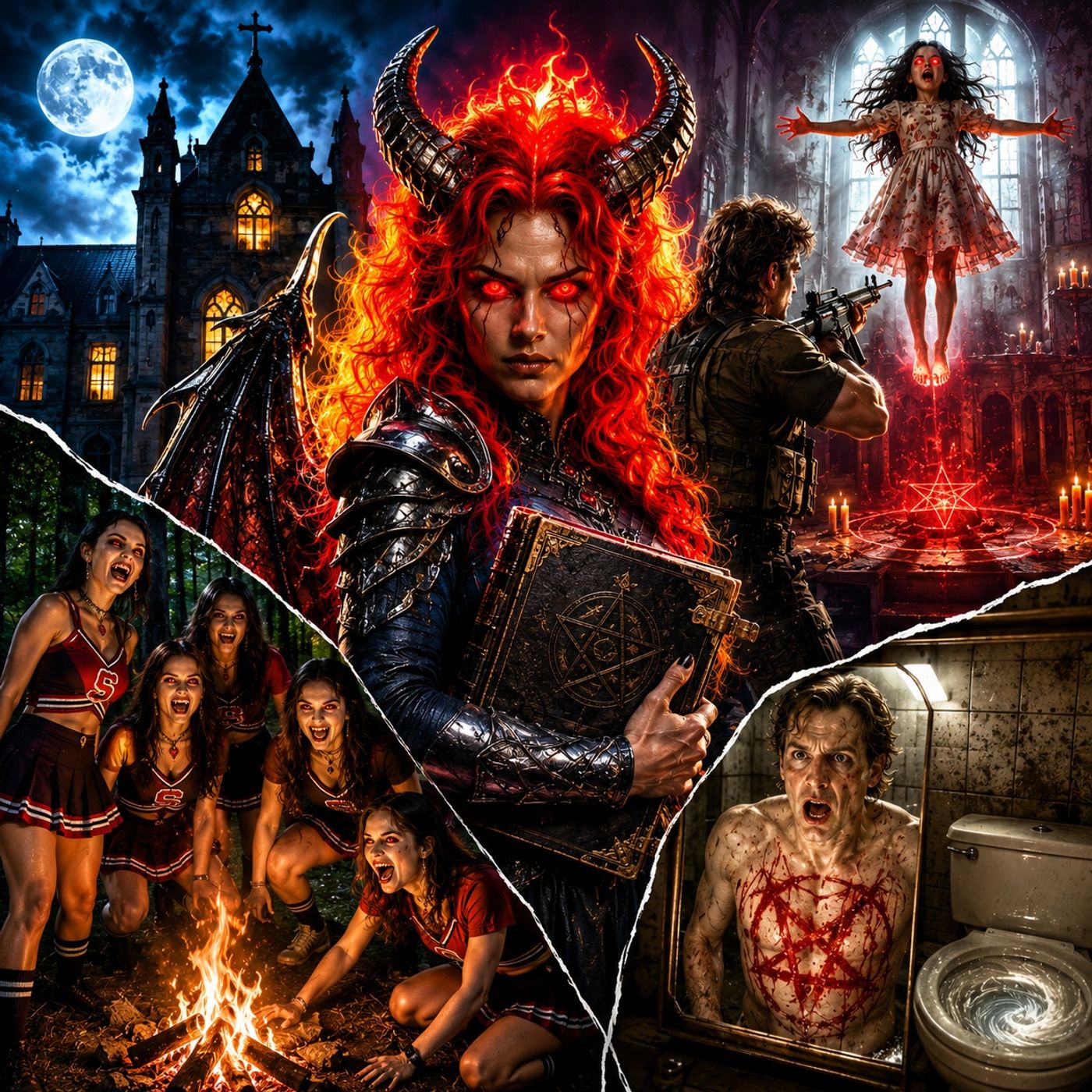
Why Occult Horror Archetypes Thrive in Modern Short Stories
Occult horror tropes—ranging from forbidden grimoires to demonic pacts—serve as potent metaphors for societal rebellion and hidden trauma. This post explores how contemporary short fiction utilizes these classic archetypes to ground supernatural terror in relatable human experiences, demonstrating why the subgenre remains a cornerstone for writers seeking to push the boundaries of dark, psychological narratives.
Key Takeaways
- The "forbidden book" trope often represents the discovery of dangerous, suppressed knowledge that challenges established social order.
- Occult rituals in horror fiction act as transformative events that symbolize a character's total rejection of moral constraints.
- Demonic entities in modern stories are frequently reimagined as manifestations of personal repressed desires rather than just external monsters.
- Short-form anthologies allow authors to experiment with high-concept occult ideas without the pacing restrictions of long-form novels.
- Dark comedy is increasingly used to balance the intensity of ritualistic horror, making the themes more accessible to modern readers.
The Psychology of the Occult Archetype
Occult horror isn't just about demons and pentagrams; it is about the intersection of the unknown and the subconscious. In many stories, like those found in the recent Late Night Horror: Demons, Cults & Cursed Rituals Anthology, the characters who engage with the occult are often outsiders—runaways, misfits, or those disillusioned with societal structures. The ritual itself becomes a mechanism for empowerment, however corrupted or dangerous that empowerment may be.
When a protagonist finds a hidden scripture or a cursed object, they are essentially finding a key to a world that does not demand obedience to traditional institutions. The act of reading a "forbidden book" is the ultimate act of defiance. For a character struggling against a rigid environment, the occult represents a path of radical individualism, even if it leads to their inevitable destruction.
Ritual as a Tool for Transformation
In literary horror, the ritual is rarely a static moment. It is a catalyst. Think of the transition from a mundane setting—like a classroom or an asylum—to a supernatural confrontation. This transition is marked by the shedding of the character’s old skin. Whether the character is a soldier of fortune or a rebellious student, the moment they invoke dark magic, they are fundamentally altering their trajectory.
This is why occult tropes are so effective in short fiction. You only have a few thousand words to establish a character's internal landscape before they encounter the supernatural. By using a recognizable archetype like the "blood pact" or the "summoning ritual," the author creates an immediate framework that the reader understands, allowing the focus to shift quickly to the emotional and physical consequences of that choice.
The Cost of Power
Every pact with an entity comes with a price. This is the oldest lesson in folklore, yet it remains relevant because it mirrors the sacrifices people make in real life. Whether it is sacrificing one's humanity for revenge or losing one's social standing to uncover a truth, the "cursed" nature of occult objects serves as a permanent reminder that power gained through shortcutting the natural order will always demand a toll.
Why Modern Readers Love Occult Themes
We live in an age of constant information, where everything is documented and digitized. The occult represents the antithesis of this: it is secret, analog, and fundamentally mysterious. Reading about ancient rituals that defy logic provides an escapism that feels tactile and dangerous. When we see a character interacting with a grimoire that doesn't belong in our world, we are vicariously participating in a transgression against the mundane.
Furthermore, modern writers are subverting these tropes with humor. Adding a layer of irony or dark comedy to demonic possession or vampire encounters makes the horror feel more grounded in the human experience. It forces the reader to confront the ridiculousness of the situation, only to have the rug pulled out from under them when the situation becomes terrifyingly real.
Conclusion
Whether you are a fan of classic witchcraft or modern demonology, the appeal of occult horror lies in its ability to reflect our deepest fears and darkest wishes. These stories allow us to explore the consequences of rebellion and the weight of forbidden knowledge from the safety of our own homes. To dive deeper into these themes of ritualistic terror, Listen to the full episode. The anthology provides a perfect masterclass in how to craft short, effective occult tales that haunt the listener long after the credits roll.
Frequently Asked Questions
What makes occult horror different from general supernatural horror?
Occult horror specifically focuses on the practice of hidden knowledge, rituals, and the intentional summoning of dark forces by human characters, whereas general supernatural horror often involves hauntings or creatures that exist independently of human interaction.
Why do horror writers frequently use grimoires in stories?
Grimoires act as a literary device that bridges the gap between the mundane world and the supernatural, symbolizing the discovery of forbidden, reality-altering information that a protagonist is not supposed to possess.
Is dark comedy effective in occult fiction?
Yes, dark comedy serves to lower the reader's defenses, making the eventual pivot to true, visceral horror feel more shocking and effective.
How does short fiction impact the pacing of occult stories?
Short fiction forces writers to rely on established archetypes to quickly set up the stakes, allowing the plot to focus on the immediate psychological impact of the ritual rather than slow, drawn-out explanations of the supernatural world.