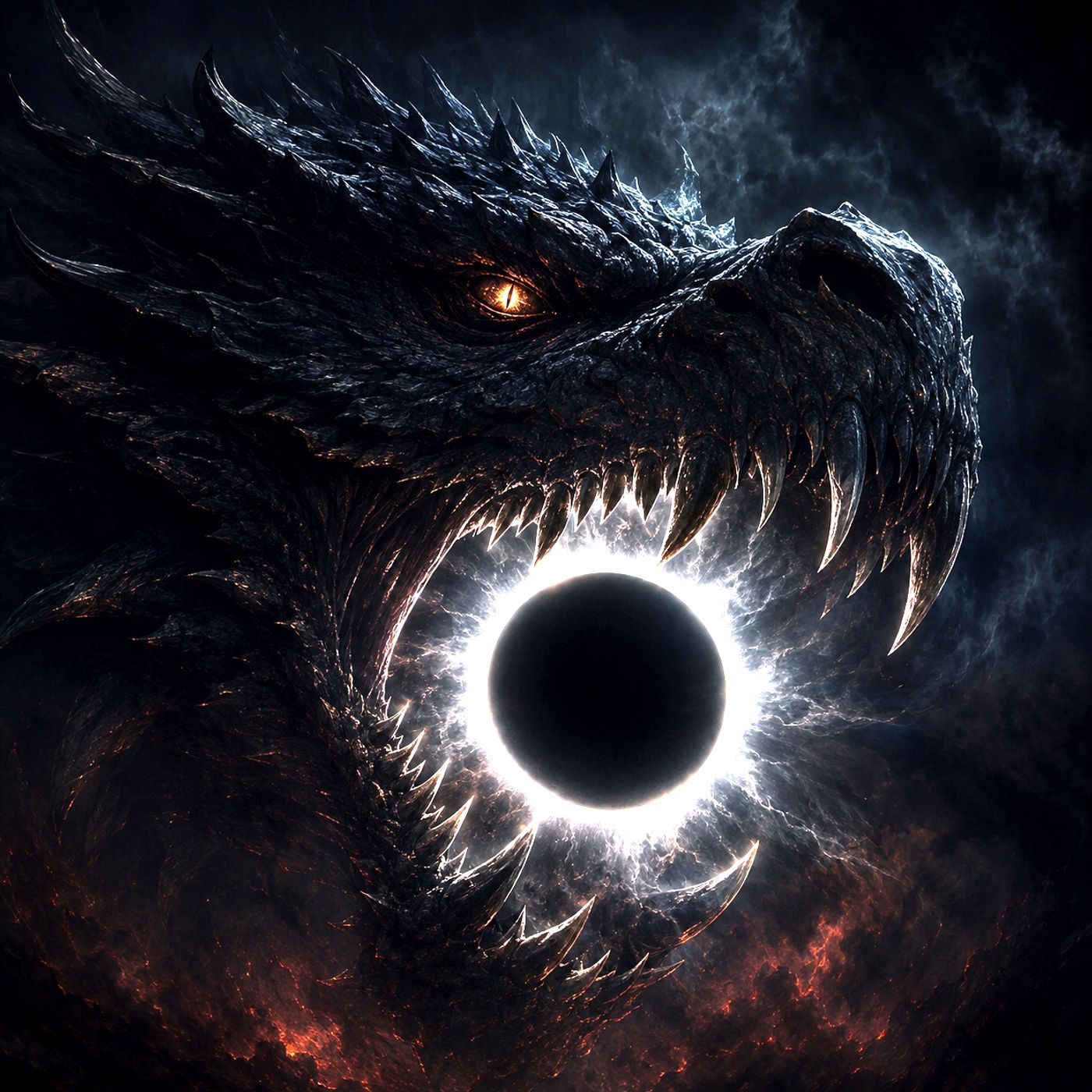
Norse Sky Wolves Sköll and Hati: The Apocalyptic Predators Chasing the Sun
Discover the terrifying Norse mythology behind Sköll and Hati, the celestial wolves relentlessly chasing the sun and moon across the sky. Learn how these mythical beasts tie directly into the ancient doomsday prophecy of Ragnarök, transforming a simple shadow into a terrifying harbinger of cosmic destruction.
Key Takeaways
- Sköll and Hati are the legendary Norse wolves eternally pursuing the sun (Sól) and the moon (Máni).
- Unlike dragons in other cultures that can be frightened away with noise, these wolves are patient predators waiting for Ragnarök.
- An eclipse acts as a terrifying reminder of the close brush between predator and prey in ancient Norse worldview.
- The chase is not just symbolic; it represents the ultimate fragile nature of daylight and the inevitable collapse of the old world.
The Endless Chase in Norse Cosmology
Humanity has always looked up at the sky and tried to make sense of the erratic darkening of the sun during an eclipse. While some cultures envisioned celestial dragons or divine disputes, the ancient Norse imagined a much more primal, visceral threat: massive, ravenous wolves. In Norse mythology, the sun is not merely a burning ball of gas; it is Sól, a radiant entity actively fleeing across the heavens. Hot on her heels is Sköll, a monstrous wolf whose entire existence is defined by the hunt. Meanwhile, her brother Hati races through the cosmic ether, snapping at the moon.
Every single day is a desperate race for survival. Every sunrise proves that the jaws have not quite closed, and that the light has managed to outrun its pursuer for another rotation. But the comfort of the daily escape is undercut by a deeply unsettling reality: wolves are patient hunters. They do not need to catch their prey on the first try, or the hundredth, or even the millionth. They only need to succeed once.
Sól and the Daily Threat
To fully understand the terror the Norse associated with the heavens, one must understand how vulnerable their world felt. The cosmos was constantly balanced on the edge of chaos, surrounded by frost giants, venomous serpents, and creeping darkness. Sól driving her chariot across the sky was a fragile victory against the encroaching void. When Sköll closed the distance, the daylight thinned, the air cooled, and the world held its breath.
Why Sköll Cannot Be Fooled by Noise
Many ancient cultures developed rituals to save the sun during an eclipse. In Chinese tradition, villagers would beat massive drums, bang bronze gongs, and crash pots together to frighten away the celestial dragon devouring the light. Because the sun always returned after totality, the villagers could rest easy knowing their noise-making rituals worked like clockwork.
The Norse wolves, however, offered no such comforting illusion of control. Sköll does not care about pots, pans, or shouting villagers. He is not a cowardly beast startled by loud noises; he is an agent of inevitability. When the sky darkens during an eclipse, a person steeped in Norse lore does not feel empowered to chase the monster away. Instead, they feel the cold dread of an inescapable future.
Ragnarök and the Final Eclipse
The shadow cast during a solar eclipse is temporary today, but in the mythology of the Viking Age, it served as a terrifying rehearsal for Ragnarök—the twilight of the gods and the ultimate destruction of the cosmos. During Ragnarök, the bonds holding the universe together will shatter. Sköll will finally catch Sól, consuming her entirely, while Hati overtakes the moon. The stars will vanish from the black sky, the earth will fracture, and the familiar world will come to a catastrophic end.
This transforms every temporary darkening of the sun into a psychological thriller. When the temperature drops and the birds go silent in the middle of the afternoon, the lizard brain whispers an ancient fear: what if this is the time the wolf finally wins? What if the light doesn't come back?
Conclusion
Modern science allows us to calculate the exact path of totality down to the second, turning cosmic anomalies into tourist attractions complete with special glasses and booked hotel rooms. Yet, beneath our modern understanding, the primal chill remains. When the sun goes black, we are brushing shoulders with the ancient terror of the great wolf closing the distance. To explore more eerie myths and ancient monster legends surrounding upcoming celestial events, Listen to the full episode of Weekly Spooky to dive even deeper into the darkness.
Frequently Asked Questions
Who is Sköll in Norse mythology?
Sköll is a monstrous wolf in Norse mythology who is doomed to chase the sun (personified as the goddess Sól) across the sky every day until the end of the world.
What is the difference between Sköll and Hati?
While Sköll pursues the sun, his brother Hati Hróðvitnisson races behind the moon, trying to catch and consume it as well.
How did the Norse view solar eclipses?
The Norse viewed eclipses as terrifying moments where the wolves came dangerously close to catching their prey, serving as a terrifying preview of the apocalyptic events of Ragnarök.
Can Sköll be scared away with noise like other mythological eclipse monsters?
No. Unlike dragons or smaller beasts in other folklore that can be frightened away by drums and shouting, Sköll is an unstoppable force tied to fate and cannot be deterred by human intervention.