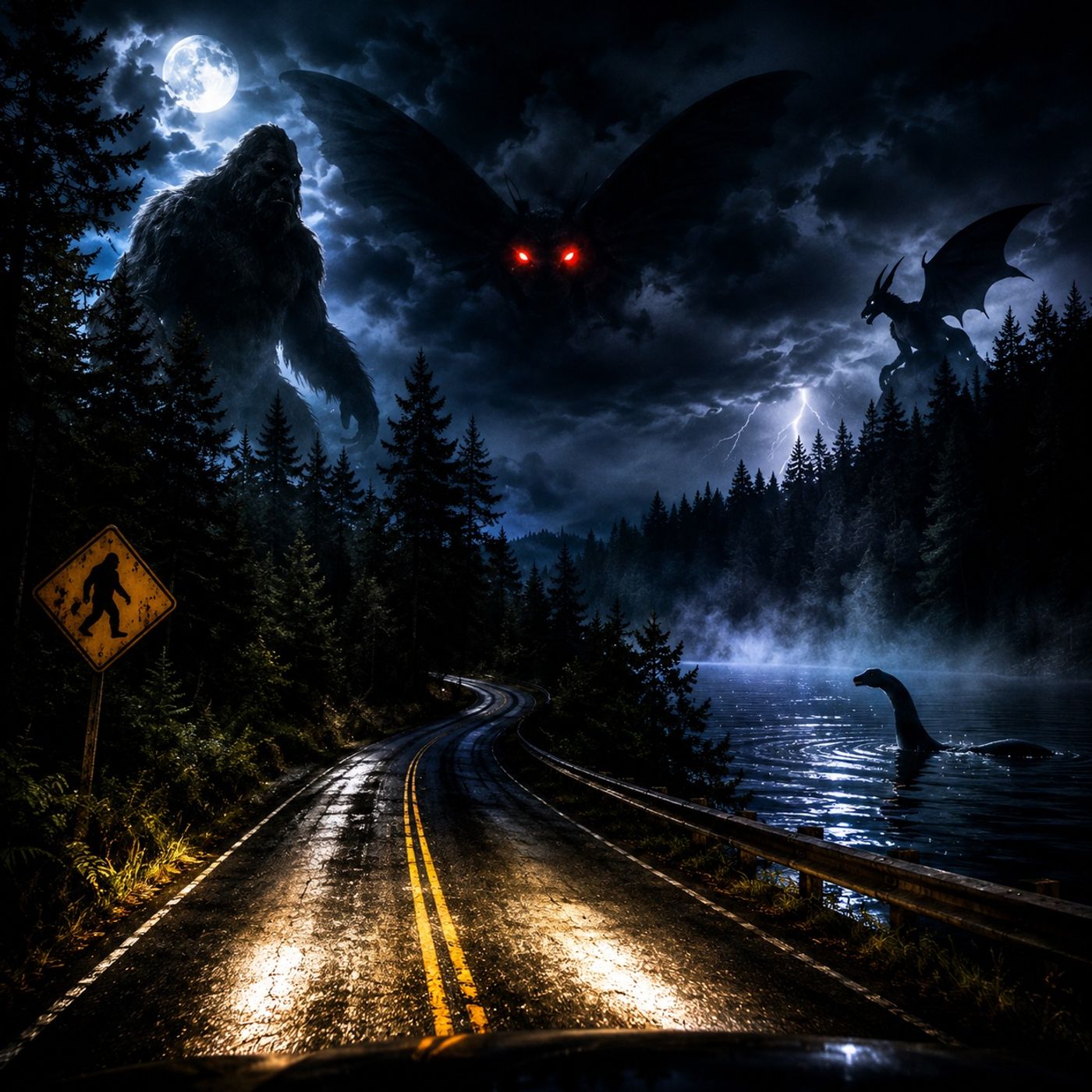
From Fearsome Phantom to Festival Favorite: How the Jersey Devil Became a Jersey Icon
The chilling legend of the Jersey Devil, once a source of terror in the Pine Barrens, has transformed into a beloved local icon. This post dives into the specific ways this cryptid has been embraced by its home region, turning fear into folklore and a frightening entity into a source of local pride and economic opportunity.
Key Takeaways
- The Jersey Devil's legend is deeply intertwined with the geography of the Pine Barrens, solidifying its local identity.
- Community events and folklore festivals play a crucial role in solidifying the Jersey Devil's status as a beloved icon.
- Merchandising, from t-shirts to local delicacies, showcases the economic impact of the Jersey Devil's iconic status.
- The narrative surrounding the Jersey Devil has shifted from pure fear to a shared regional identity and source of intrigue.
- Local businesses and tourism capitalize on the Jersey Devil legend, demonstrating its value as a cultural asset.
The Pine Barrens: Birthplace of a Legend
The transformation of the Jersey Devil from a terrifying, elusive phantom into a recognizable local icon is a fascinating study in how communities adopt and adapt folklore. At the heart of this transformation lies the indelible link between the creature and its purported homeland: the vast, often eerie, Pine Barrens of Southern New Jersey. This geographical anchoring is not merely coincidental; it is the bedrock upon which the Jersey Devil's iconic status is built. Unlike more generalized cryptid sightings, the Jersey Devil's legend is intrinsically woven into the very fabric of this unique ecosystem – its dense forests, isolated settlements, and shadowy swamps. This specificity is key. It gives the legend an 'address,' transforming a formless fear into something tangible, something that belongs to the region.
The Pine Barrens themselves are a character in the Jersey Devil's story. Their isolation, their unique flora and fauna, and the historical accounts of early settlers struggling against the wilderness all contribute to an atmosphere ripe for supernatural tales. When residents speak of the Jersey Devil, they are not just recounting a spooky story; they are referencing a shared geography, a common landscape that holds a mysterious inhabitant. This shared sense of place fosters a unique bond within the community. The fear that might once have been associated with the deep woods is recontextualized. It becomes a point of local identity, a shared secret, and eventually, a source of pride. The very name, 'Jersey Devil,' immediately signals its regional affiliation, differentiating it from the countless other spectral beings that might roam the night.
This geographical specificity allows for the creation of a distinct local mythology. The tales of the Jersey Devil are told against the backdrop of known landscapes – roads, farms, and natural landmarks within the Pine Barrens. This grounds the legend, making it more believable and more deeply ingrained in the local consciousness. It provides a framework for storytelling, encouraging residents and visitors alike to engage with the narrative. The Pine Barrens become more than just a location; they become the stage upon which the Jersey Devil's legend unfolds, solidifying its place not just in folklore, but in the regional identity itself.
From Fear to Festival Favorite: Community Embraces the Beast
The journey from a whispered fright to a celebrated local emblem is a remarkable one, and the Jersey Devil exemplifies this shift through active community engagement. While the initial legend may have sprung from fear and superstition, modern New Jersey, particularly the regions surrounding the Pine Barrens, has embraced its notorious cryptid with open arms. This embrace is most evident in the proliferation of local festivals, events, and cultural celebrations centered around the Jersey Devil. These gatherings serve a dual purpose: they commemorate the legend, keeping it alive in popular consciousness, and they transform a potentially frightening entity into a source of communal joy and economic stimulation.
Consider the annual Jersey Devil festivals or Halloween-themed events that pop up in towns near the Pine Barrens. These are not just opportunities for spooky fun; they are deliberate efforts to capitalize on the legend's enduring appeal. Local artisans sell Jersey Devil-themed crafts, food vendors offer 'Jersey Devil burgers' or 'Pine Barrens Prowler' pizzas, and reenactments or storytelling sessions draw crowds eager to learn about and celebrate their unique folklore. These events create a tangible connection to the cryptid, moving it from the realm of abstract legend to a present-day cultural fixture. By actively participating in these celebrations, residents are not only entertaining themselves but are also reinforcing the cryptid's status as a beloved local icon.
The shift in perception is profound. What was once a symbol of the untamed and terrifying wilderness is now a mascot of sorts, a unique selling proposition for the region. This transformation highlights how communities can reclaim and repurpose even the most unsettling legends. Instead of allowing the fear to dominate, they have chosen to highlight the mystery, the history, and the sheer, enduring fascination of the Jersey Devil. This communal embrace allows the legend to evolve, becoming a shared narrative that binds people together, fostering a sense of local pride and distinctiveness. The Jersey Devil is no longer just a monster; it's part of the regional identity, a character in the ongoing story of South Jersey.
The Merchandise Maze: Monetizing the Monster
One of the most definitive indicators of a cryptid's evolution into a local icon is its successful integration into the marketplace. The Jersey Devil, once a creature whispered about in hushed tones, has now become a staple of local souvenir shops and online marketplaces, illustrating how fear and folklore can be effectively translated into commerce. The sheer variety of merchandise bearing the image or name of the Jersey Devil speaks volumes about its cultural penetration and its economic value to the region.
From the ubiquitous t-shirts and coffee mugs adorned with stylized depictions of the beast to more creative offerings like custom-made plush toys, keychains, and even regional food products (think 'Jersey Devil Hot Sauce' or 'Pine Barrens Pine Nut Brittle'), the merchandise is a testament to the cryptid's iconic status. Local artists and entrepreneurs have tapped into the legend, creating products that appeal to both locals and tourists. This commercialization isn't just about profit; it's a vital part of solidifying the cryptid's place in popular culture. Each item sold carries a piece of the legend, spreading awareness and reinforcing the connection between the cryptid and its New Jersey home.
Furthermore, the economic impact extends beyond mere trinkets. The Jersey Devil brand helps to drive tourism to the Pine Barrens region. Visitors are drawn by the mystique, eager to explore the purported haunts of the creature and perhaps bring home a tangible reminder of their visit. This influx of tourists benefits local businesses, from diners and hotels to gift shops and tour operators. The Jersey Devil, in essence, has become a unique cultural asset, a marketing tool that generates revenue and puts the region on the map. It’s a prime example of how a community can transform a source of unease into a powerful economic engine, turning a legendary monster into a beloved brand.
Conclusion: The Enduring Appeal of Our Monsters
The transformation of the Jersey Devil from a terrifying phantom to a cherished local icon is a powerful illustration of how communities can embrace and integrate folklore into their identity and economy. By anchoring the legend to the unique geography of the Pine Barrens, fostering community events, and successfully monetizing the myth, South Jersey has turned a figure of fear into a symbol of regional pride and distinctiveness. This process highlights the dynamic nature of folklore and its ability to adapt and thrive in the modern world. The Jersey Devil's journey from the shadows of the woods to the shelves of gift shops is a testament to the enduring power of local legends and their capacity to shape our sense of place.
Want to delve deeper into the chilling tales that shape America's identity? Listen to the full episode, "Jersey Devil to Chupacabra: Cryptid Encounters Shape America | Thursday Thrills," on Weekly Spooky. Subscribe for more spine-tingling stories every Wednesday!
Frequently Asked Questions
What is the origin of the Jersey Devil legend?
The legend of the Jersey Devil is said to have originated in the early 18th century, with various accounts of a monstrous creature being sighted in the Pine Barrens of Southern New Jersey. Folklore suggests it was the 13th child of a Leeds mother, born a deformed creature and cursed to fly the Pines.
How has the Jersey Devil become a local icon?
The Jersey Devil has become a local icon through its strong association with the geography of the Pine Barrens, the embrace of its legend by local communities through festivals and events, and its widespread presence on merchandise that capitalizes on its unique regional identity.
Does the Jersey Devil legend still cause fear today?
While the legend originated from fear, it is now largely viewed with a sense of local pride and curiosity. It's more of a cultural touchstone and tourist attraction than a source of genuine terror for most residents.
What kind of merchandise is available for the Jersey Devil?
A wide variety of merchandise is available, including t-shirts, mugs, plush toys, keychains, artwork, and even food products, all featuring the image or name of the Jersey Devil.