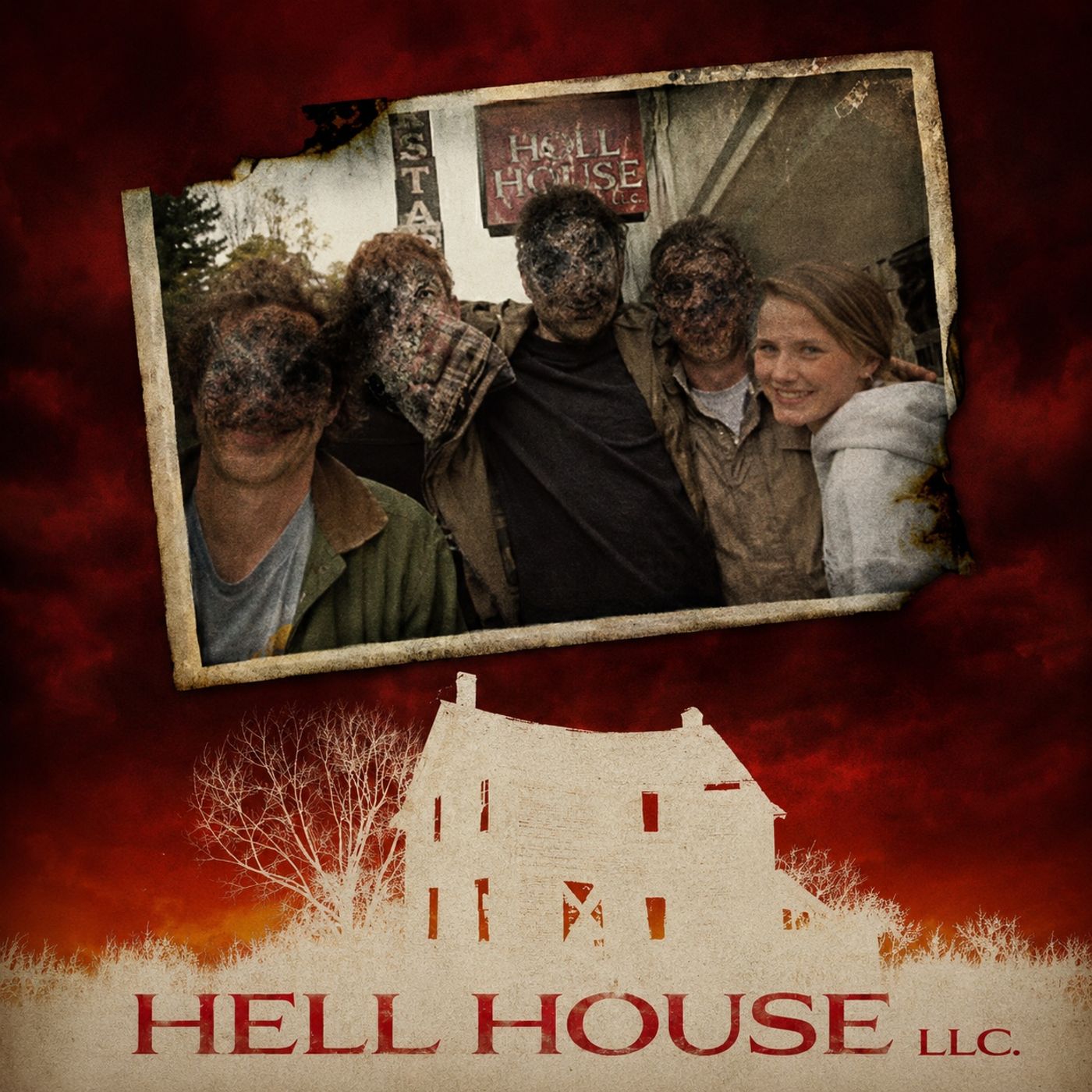
Hell House LLC Mockumentary Style vs Traditional Found Footage
Hell House LLC successfully subverts traditional horror tropes by blending the frantic chaos of found footage with the calculated, unsettling precision of a true-crime mockumentary. This unique formatting choice alters how audiences experience suspense, building a slow, suffocating atmosphere of dread long before the first scare hits the screen.
Key Takeaways
- Hell House LLC structures its narrative as a retrospective true-crime style mockumentary rather than a real-time found footage scramble.
- The mockumentary framework allows for sophisticated editing, interviews, and built-in dread before the chaos actually begins.
- A major challenge of the fake documentary style is reducing the immediate sense of character survival urgency.
- The movie bridges the gap between structured cinematic pacing and raw, chaotic found footage during its terrifying final act.
The Evolution of Found Footage Storytelling
When theatrical horror ventured heavily into the found footage subgenre following the massive success of movies like The Blair Witch Project, filmmakers quickly ran into structural limitations. Traditional found footage often relies on characters continuously recording mundane actions just to keep the camera rolling, which can strain viewer credulity. By adopting a mockumentary format, Stephen Cognetti bypasses many of these logistical hurdles. Instead of following characters who happen to be holding a camera during an active crisis, the audience watches a finished investigative documentary looking back at a catastrophic event.
This structural shift changes the psychological contract between the film and the viewer. We know from the opening frames that something horrific happened at the Abaddon Hotel on opening night. The mystery is no longer if the characters survive—because we already know most of them do not—but rather what specific, terrifying sequence of events led to their demise. This shifts the horror from sudden jump scares to an agonizing sense of impending doom.
Benefits of the Fake Documentary Format
Utilizing a mockumentary approach offers several distinct advantages for indie horror filmmakers working on tight budgets. First, it allows for professional-grade pacing and editing. News reports, local interviews, talking heads, and police footage can be spliced together to create a rich, textured mythos around the haunted attraction.
Establishing Lore and Atmosphere
In Hell House LLC, the mockumentary framework grounds the fictional town of Abadon, New York, in a chillingly realistic context. The inclusion of local news broadcasts discussing the mysterious tragedy at the hotel makes the fictional cult rumors and suicides feel authentic. Viewers absorb the sinister history of the location through the lens of ordinary journalism, which makes the supernatural escalation feel even more invasive and jarring when it finally takes over the screen.
The Psychology of Retrospective Dread
Another powerful element of the mockumentary style is the juxtaposition of survivors speaking calmly to the camera against the chaotic footage of what they experienced. When a surviving crew member describes strange noises, sleepwalking, or moving mannequin figures during daylight interviews, it establishes a psychological baseline of trauma. The viewer watches the cheerful preparations for the Halloween haunt knowing that every smiling face is walking closer to a nightmare.
Overcoming the Urgency Deficit
Despite its many strengths, the mockumentary style introduces a unique narrative hurdle: the reduction of immediate character urgency. If a survivor is sitting in a modern interview chair recounting the horrors of the Abaddon Hotel, the audience subconsciously knows that at least that specific individual made it out alive.
Stephen Cognetti cleverly combats this limitation by shifting the presentation style as the film reaches its climax. As the tension mounts and the opening night disaster unfolds, the artificial safety net of the documentary dissolves. The movie transitions from a polished retrospective into raw, unedited, terrifying found footage. This structural breakdown mimics the collapse of reality within the hotel itself, effectively trapping the audience inside the panic of the final basement sequence.
Conclusion
Hell House LLC proves that the mockumentary format can elevate found footage horror beyond cheap gimmicks and shaky-cam fatigue. By treating a haunted house setup with the gravity of a true-crime documentary, the film creates a masterclass in slow-burn terror that remains a staple of the Halloween horror rotation. To hear a deep dive into the scares, the ending, and the broader world of Halloween haunt horror movies, Listen to the full episode of Weekly Spooky for an engaging discussion on why this modern classic continues to terrify horror fans every spooky season.
Frequently Asked Questions
Is Hell House LLC a true story or a mockumentary?
Hell House LLC is a fictional mockumentary. The Abaddon Hotel and the opening-night tragedy involving the haunt crew are entirely invented for the film.
How does Hell House LLC differ from traditional found footage movies?
Unlike traditional found footage where the audience experiences events in real time alongside a handheld camera, Hell House LLC is framed as a completed retrospective documentary featuring news clips, interviews, and recovered tape.
Why do horror directors use the mockumentary format?
The mockumentary format provides immediate realism, making unbelievable supernatural events feel grounded by treating them with the serious tone of a true-crime investigation.
Does Hell House LLC rely only on interview footage?
No, while the beginning utilizes a mockumentary interview style, the movie gradually transitions into raw, chaotic found footage as the terror inside the hotel escalates toward its climax.