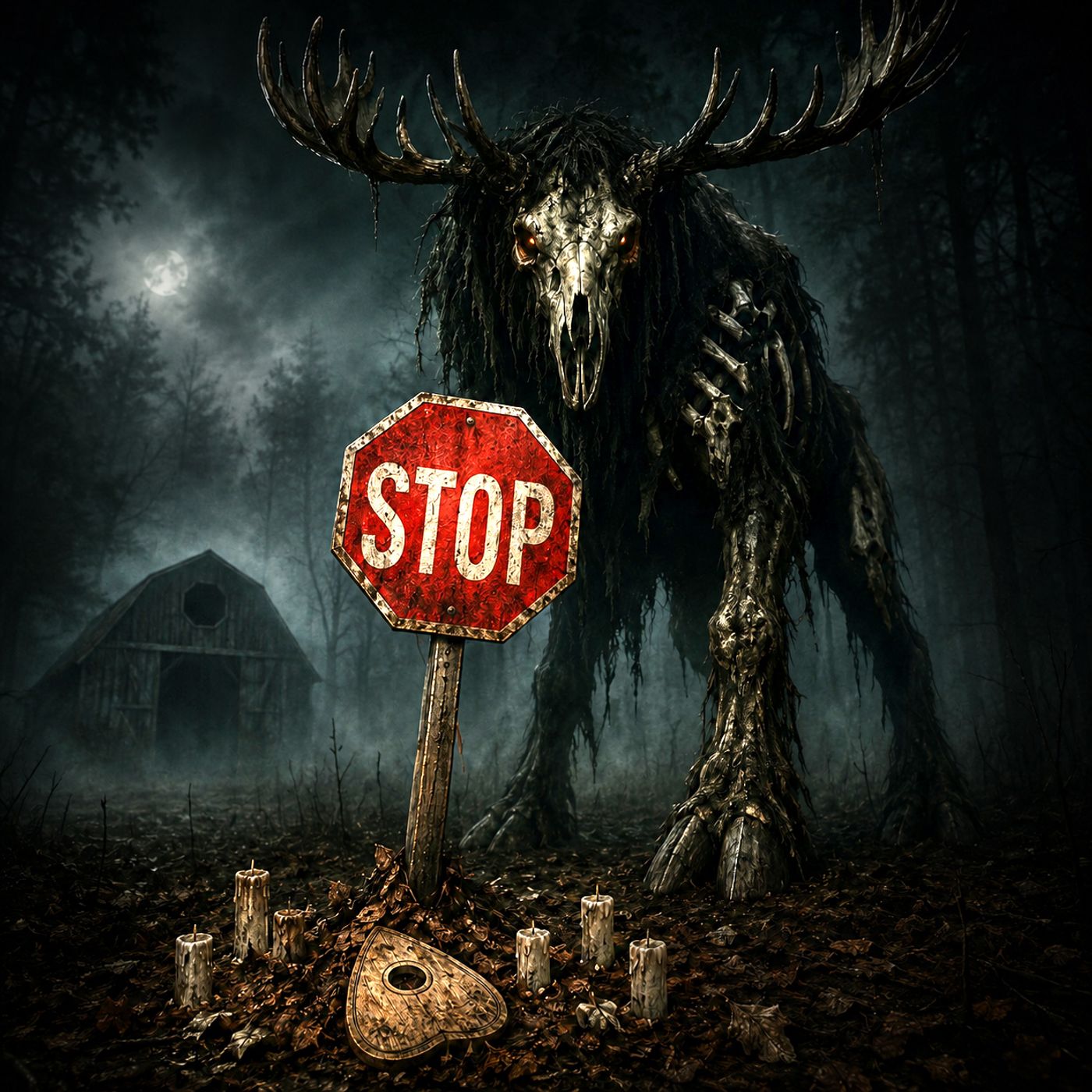
Why Adirondack Urban Legends Like Oopsie Poopsie Are More Than Just Folklore
Adirondack urban legends serve as more than just campfire entertainment; they represent a deep-rooted cultural mechanism for mapping the dangers of rural isolation. By examining the local lore behind entities like the infamous 'Oopsie Poopsie,' listeners can uncover the psychological function that such grotesque creature myths serve in protecting new residents and maintaining boundaries within secluded mountain communities.
Key Takeaways
- Rural folklore often uses repulsive or bizarre imagery to discourage outsiders from wandering into dangerous, untracked wilderness.
- The transition from a harmless 'ridiculous' legend to a physical threat reflects the reality of human-wildlife encounters in the Adirondacks.
- Local warnings, such as those from town characters like 'Sleepy Carl,' act as an unofficial social contract between locals and newcomers.
- Urban legends in isolated areas are often used to explain tragic historical events or generational trauma through the lens of supernatural monster myths.
The Function of Rural Myth
In many isolated regions like the Adirondacks, stories that seem absurd on the surface—such as the legend of an overgrown, baby-like creature stalking the pines—carry a hidden weight. When locals share these tales, they are not merely trying to scare a newcomer; they are providing a localized map of risk. By attaching a name and a set of behaviors to a specific patch of woods, the community creates a barrier that keeps individuals from straying into areas that are ecologically or historically hazardous.
Why We Create Monsters
The human brain is wired to turn ambiguity into a narrative. When a newcomer to a town like New Ellsworth sees the dense, impenetrable rows of pines, the mind naturally searches for an explanation for the unease it feels. Monsters like Oopsie Poopsie fill that gap. By transforming the silent, watchful nature of the forest into an entity that is 'large, grotesque, and desperate,' the community personifies the danger, making it easier to conceptualize and avoid.
The Psychology of the Outsider
For someone moving into a tight-knit, rural environment, listening to local legend is a rite of passage. In the story of the Adirondack newcomer, the interaction with 'Sleepy Carl' highlights the tension between the insider and the outsider. Sleepy Carl, as the town eccentric, acts as a gatekeeper of lore. His strange behavior and cryptic warnings represent the friction between established generational knowledge and the naive curiosity of an newcomer.
Ignoring these stories is often portrayed in horror as the fatal mistake. When the protagonist investigates the 'white diaper' or follows the trail against local advice, they are breaking the social taboo of the town. The subsequent hunt by the entity is the physical manifestation of the community's refusal to protect those who refuse to heed their warnings.
The Reality of Wild Places
The Adirondack Mountains are unforgiving. With limited streetlights, dense forests, and a history of logging that leaves landscape scars, the environment is inherently dangerous. Urban legends of cryptids often mask the real dangers—such as getting lost, encountering wild animals, or tripping into forgotten mining shafts. By framing these dangers within a legendary narrative, the town ensures that the warning is remembered. It is much easier to remember to 'avoid Oopsie Poopsie' than it is to remember the specific geological hazards of a ravine edge.
Furthermore, these legends serve to maintain the town's boundaries. A 'cursed' patch of woods is a patch of woods that no one enters, keeping it pristine and undisturbed by those who do not understand how to live in balance with the mountain.
Conclusion
Understanding the layers of folklore in the Adirondacks allows us to appreciate the sophistication of rural storytelling. It isn't just about the monster; it is about the community, the land, and the rules required to survive in the shadows of the pines. For more terrifying insights into how these legends manifest in our world, Listen to the full episode to hear the chilling details of the Adirondack legends and other tales of the supernatural.
Frequently Asked Questions
What is the purpose of the Oopsie Poopsie legend?
The legend acts as a cautionary tale designed to keep outsiders out of specific, dangerous sections of the Adirondack wilderness, using grotesque imagery to enforce spatial boundaries.
Why do local characters like Sleepy Carl exist in horror?
Characters like Sleepy Carl serve as 'gatekeepers' or 'harbingers.' They represent the bridge between the unknown wilderness and the social order of the town, testing the outsider's willingness to listen and respect local customs.
Are these legends based on truth?
While the creature itself may be fictional, the feelings and hazards they represent—such as the isolation of the Adirondacks or the history of abandoned rural settlements—are grounded in the real, often difficult history of the region.