Why Kids Are Often the First to Sense Supernatural Threats
Children often exhibit a heightened sensitivity to the unexplained, particularly when it comes to psychic premonitions or sensing malevolent entities. While parents often dismiss these experiences as simple nightmares, instances like those featured in our recent stories suggest that a child's intuition might actually be a survival mechanism, alerting their families to imminent, unseen dangers lurking in their periphery.
Key Takeaways
- Children may possess an unfiltered receptivity to environmental shifts that adults ignore.
- Recurring nightmares in children should be examined for symbolic patterns rather than dismissed.
- The "protective instinct" of a child often manifests as a desire to keep loved ones close when they sense a threat.
- Ignoring these warnings can lead to a dangerous disconnect between a child's perception and an adult's logic.
- Intuition is often the first line of defense in paranormal encounters.
The Science of Intuition
In mainstream psychology, children's fears are often categorized as developmental milestones. Whether it is a fear of the dark or the belief that a monster lives in the closet, these are treated as manifestations of a developing brain. However, in the realm of the paranormal, we have to ask if there is an alternative explanation. Could it be that children, who have not yet been conditioned by societal expectations to ignore the irrational, are actually picking up on sensory data that adults have tuned out?
As we age, our brains prioritize efficiency and logic. We learn to suppress "unnecessary" information to focus on our daily tasks. A delivery driver, for instance, is hyper-focused on the road, traffic patterns, and deadlines. In this state of mind, the subtle, creeping presence of a supernatural entity might be dismissed as fatigue or shadow-play. A child, conversely, lives in a world where the boundary between imagination and reality is porous, allowing them to remain open to phenomena that adults would find impossible to accept.
Psychic Receptivity in Early Childhood
Many documented cases of supernatural encounters involve a child being the first to identify the danger. This is likely because children operate on a pre-logical level of consciousness. Before they learn to rationalize away a feeling of dread, they experience it as a visceral reality. If a child begs a parent not to leave for work, it is rarely just about wanting attention; it is often a desperate reaction to a feeling that the parent is stepping into a zone of harm.
Interpreting the Warning Signs
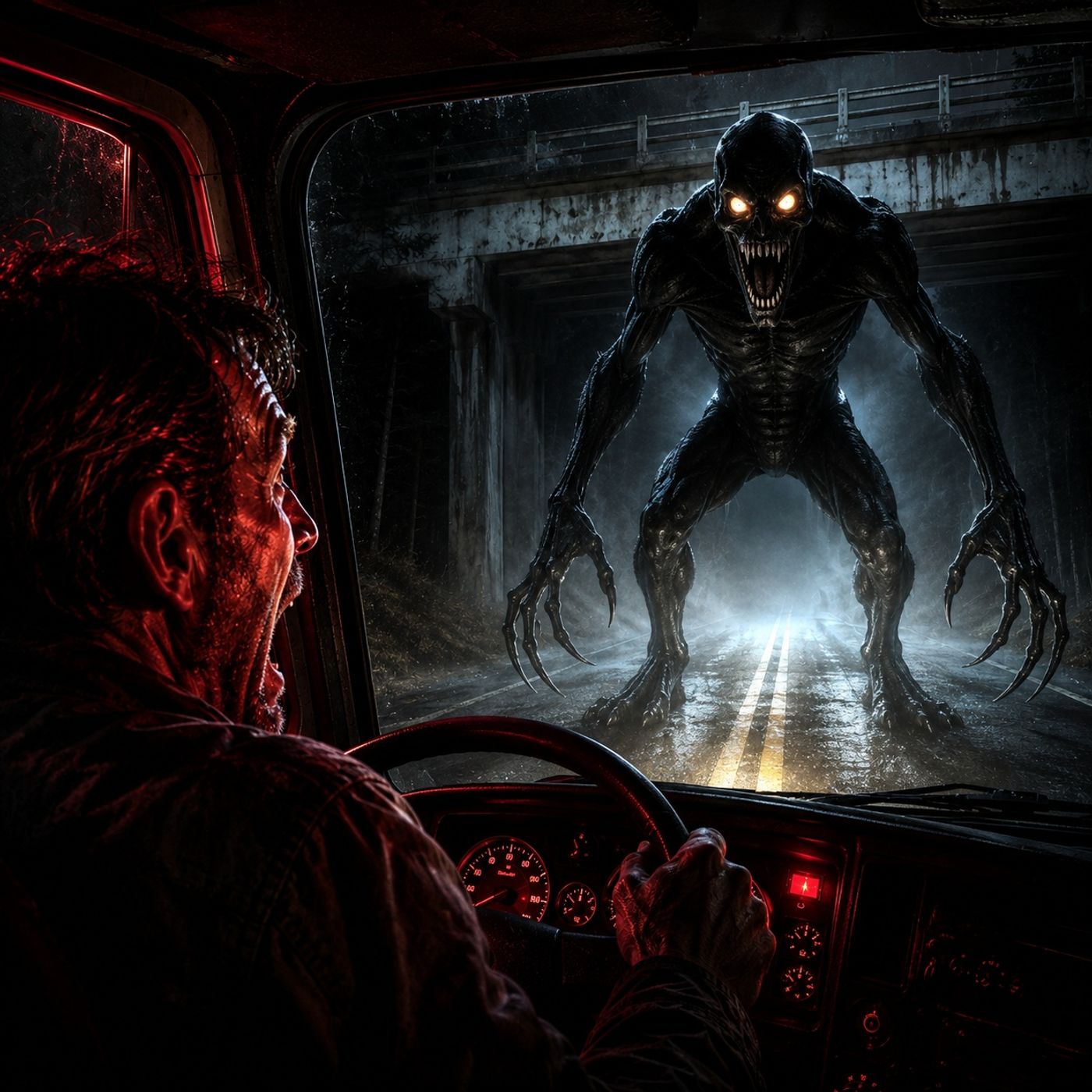
When a child begins to exhibit strange behavior, such as obsessing over a specific route or showing intense, irrational anxiety about a parent's routine, it is crucial for adults to pay attention. In our featured story, Angeline didn't just have random nightmares; she had specific, recurring visions that accurately reflected the dangers her father faced on his route. This suggests that the subconscious is capable of processing environmental threats in ways we do not yet fully understand.
The Communication Barrier
The primary issue in these scenarios is communication. A child lacks the vocabulary to explain a "monster" in a way that an adult—who is grounded in the material world—will respect. When the child says, "He is waiting for you," the adult hears a fairy tale. The child is trying to warn against a very real, very physical threat, but the lack of shared language creates a bridge of misunderstanding that the entity, or the danger itself, can exploit.
Bridging the Gap
If you suspect that your child is sensing something beyond the veil, it is better to listen than to dismiss. This doesn't mean encouraging paranoia, but rather validating their feelings. Ask open-ended questions about their dreams. Instead of saying, "It's just a dream, there's nothing there," try asking, "What does the dream feel like?" or "What are you worried will happen?" Often, simply acknowledging that their fear is real to them can provide the child with a sense of control and, in some cases, might even help reveal the source of the distress.
It is worth considering that our modern lives are incredibly loud. Between technology, work, and the constant input of information, we have lost the ability to sit in silence and perceive the world around us. Children are, for the most part, still connected to that silent world of intuition. If they try to tell you that something is wrong, perhaps you should listen. Listen to the full episode to hear how one father’s dismissal of his daughter’s warnings led to a harrowing, life-altering confrontation on the open road.
Frequently Asked Questions
Why do children seem more prone to supernatural fears?
Children are less restricted by the "logical filter" adults use to dismiss the unknown, allowing them to perceive environmental shifts or anomalies that adults ignore.
Should I worry if my child has recurring nightmares about my job?
While often normal, if the nightmares include specific, accurate details that you haven't shared with them, it may be worth paying attention to the context and looking for patterns.
How do I validate a child's fear without fueling anxiety?
Practice active listening by acknowledging the emotion behind the fear. Instead of telling them they are wrong, focus on strategies to feel safe together while remaining observant of any real-world indicators they might be sensing.