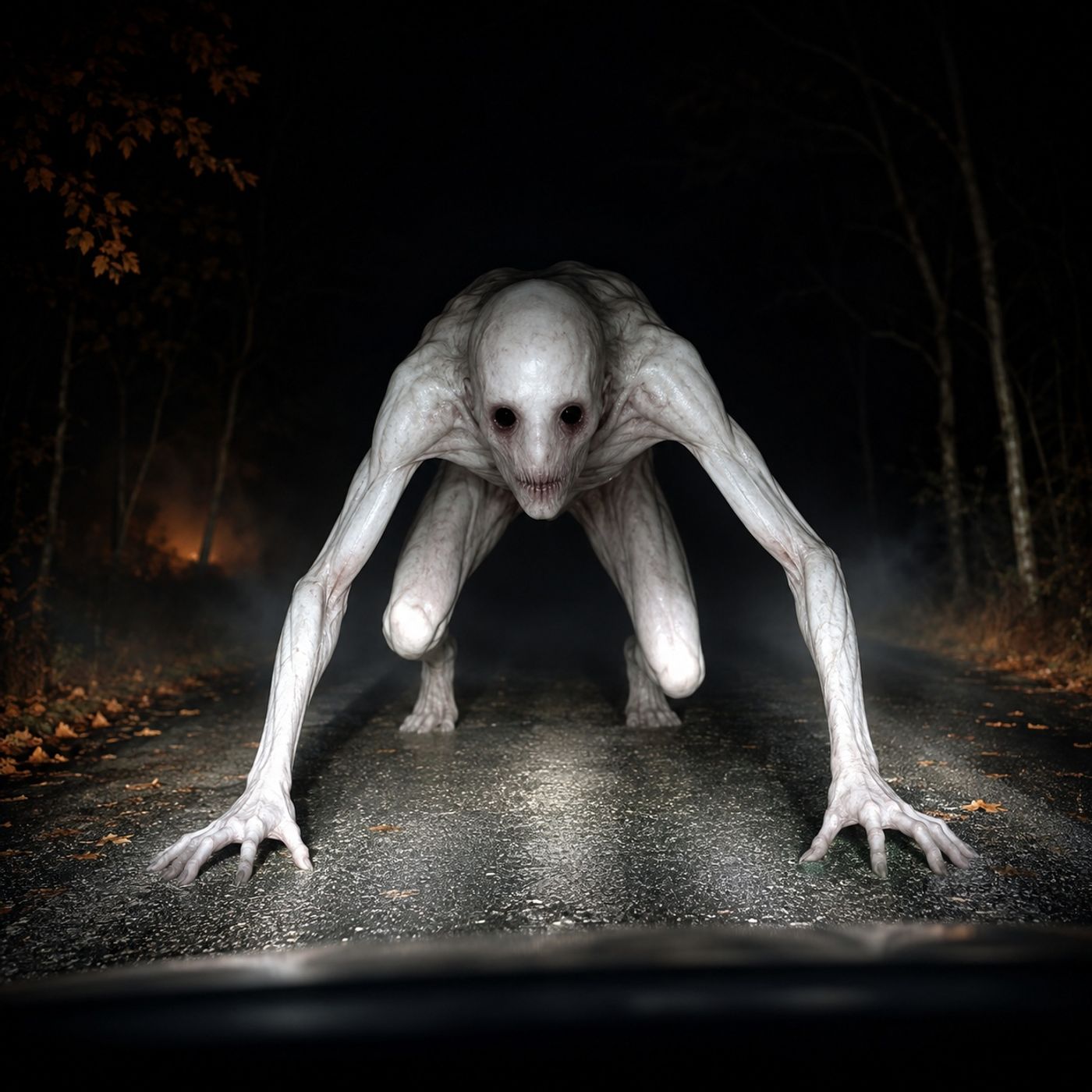
Sleep Paralysis Monsters vs The Pale Crawler: Why We See Faceless Humanoids at Night
Discover why millions of people experience identical nighttime hallucinations of faceless, long-limbed humanoids. This deep dive examines the fascinating neurological overlap between common sleep paralysis episodes and internet-born cryptid folklore, explaining how our sleeping brains construct terrifying nocturnal visitors from shadow, fear, and cultural conditioning.
Key Takeaways
- Approximately 7.6% of the general population experiences sleep paralysis, making nighttime waking hallucinations remarkably common.
- The psychological state of REM sleep paralysis features persistent muscle atonia combined with waking consciousness and heightened amygdala activity.
- Internet creepypasta templates like the Pale Crawler provide a ready-made cultural vocabulary for unexplainable nocturnal dread.
- Pareidolia and low-light environmental conditions cause the human brain to mistake ordinary bedroom shadows for predatory humanoids.
- True nocturnal experiences of fear are biologically real, even when the perceived monster is entirely a product of neurological misfiring.
The Neurology of Nighttime Terror
When a person wakes up in the dead of night and finds themselves completely unable to move while a pale, long-limbed figure watches from the foot of the bed, the experience feels undeniably real. Heart rates spike, breathing becomes shallow, and an overwhelming sense of dread fills the room. Yet, modern sleep science reveals that this terrifying encounter is often the result of a normal biological process happening at an inappropriate time. During rapid eye movement (REM) sleep, the brain actively paralyzes the body's skeletal muscles to prevent us from physically acting out our dreams. Sometimes, consciousness returns before this paralysis wears off, straddling the line between dreaming and waking.
During this vulnerable state, the brain's emotional center—the amygdala—remains hyper-activated, while the rational prefrontal cortex struggles to catch up. Lacking the ability to analyze the environment logically, the sleeping mind interprets physical helplessness and environmental darkness as an immediate threat. It then populates that threat with a visual projection. Throughout history, these projections took the form of incubi, hags, or shadow people. Today, armed with glowing screens and viral internet lore, modern sleepers frequently cast these neurological ghosts as modern cryptids.
How REM Atonia Creates Monsters
The mechanics of a sleep paralysis hallucination rely heavily on sensory deprivation and ambient stimuli. As you lie paralyzed in the dark, your visual field attempts to make sense of ambiguous shapes like coat racks, draped clothing, or shifting shadows cast by streetlights. Pareidolia—the human brain's evolutionary tendency to spot recognizable patterns, especially human faces and forms, in random data—kicks into overdrive. When combined with the heavy pressure of the chest often reported during sleep paralysis (caused by restricted breathing patterns during relaxed sleep states), the brain manufactures a physical entity pressing down on the dreamer or lurking just out of reach.
From Online Forums to Bedroom Doorways
The cultural feedback loop between internet horror and personal memory is remarkably efficient. Long before viral creepypastas populated message boards, people experienced sleep paralysis and struggled to find words for their terrifying visions. However, once an image like the Pale Crawler achieves widespread cultural saturation—accumulating millions of views across Reddit, YouTube, and TikTok—it becomes a permanent fixture in our collective visual library. When a sleeper experiences a hypnagogic or hypnopompic hallucination, their brain reaches for the most accessible, highly charged template available to explain the terror.
If you have spent hours reading scary stories about hairless, long-armed humanoids lurking in rural areas or peering through windows, your sleeping mind does not need to invent a brand-new monster from scratch. It simply retrieves the pre-packaged silhouette of the crawler. This explains why independent witnesses separated by thousands of miles describe virtually identical facial features, body proportions, and postures. They are not necessarily communicating with a flesh-and-blood cryptid; rather, they are tapping into a standardized architectural framework for modern fear.
Sincerity Versus Accuracy
A critical distinction in folkloric studies is the difference between a witness's sincerity and the objective accuracy of their report. People who experience bedroom encounters with pale humanoids are almost always entirely sincere. The terror they felt was authentic, and their physiological stress responses were genuine. However, acknowledging the reality of the emotional experience does not automatically validate the objective existence of an unknown biological species roaming suburban neighborhoods.
When an ambiguous nocturnal event is filtered through the lens of internet folklore, the mind retroactively reinforces the narrative. A terrifying half-dream upon waking is easily conflated with a physical sighting when the sleeper later encounters a drawing or a digital rendering that matches their fragmented memory. This creates a powerful loop of self-reinforcement where every new story published online validates someone else's unexplainable night terror.
Why We Keep Building These Legends
Human beings have an enduring psychological appetite for unknown threats that dwell just beyond the edge of our campfire light or streetlamp glare. While science can neatly categorize sleep paralysis, pareidolia, and internet collaboration, human curiosity yearns for mystery. The Pale Crawler persists not because it has been captured by wildlife biologists, but because it functions as a modern canvas for ancient nocturnal anxieties. Whether we encounter them in wooded ditches or freeze in terror at the foot of our beds, these pale phantoms remind us of the powerful, unpredictable capabilities of the human imagination when left alone in the dark.
To explore the complete history of how collaborative internet culture, viral trail camera hoaxes, and modern folklore turned a digital writing experiment into a household monster, be sure to Listen to the full episode. Join us every week for more terrifying and true stories that explore the dark corners of modern myth and urban legend.
Frequently Asked Questions
What is sleep paralysis?
Sleep paralysis is a temporary inability to move or speak that occurs when a person wakes up or falls asleep, happening during the transition into or out of REM sleep while muscle atonia remains active.
Why do sleep paralysis hallucinations look like monsters?
During sleep paralysis, the brain's emotional centers are highly active while logical reasoning is suppressed, causing the mind to interpret physical helplessness and shadows as a threatening entity.
Can internet stories influence what we see in dreams?
Yes, cultural exposure to viral creepypastas and urban legends provides the brain with visual templates that can shape hypnagogic and hypnopompic hallucinations during vulnerable sleep states.
Are all pale crawler sightings caused by sleep paralysis?
No, while bedroom encounters often align with sleep paralysis, outdoor sightings involve different factors such as pareidolia, misidentified wildlife like mangy deer, low-light misidentification, and deliberate hoaxes.