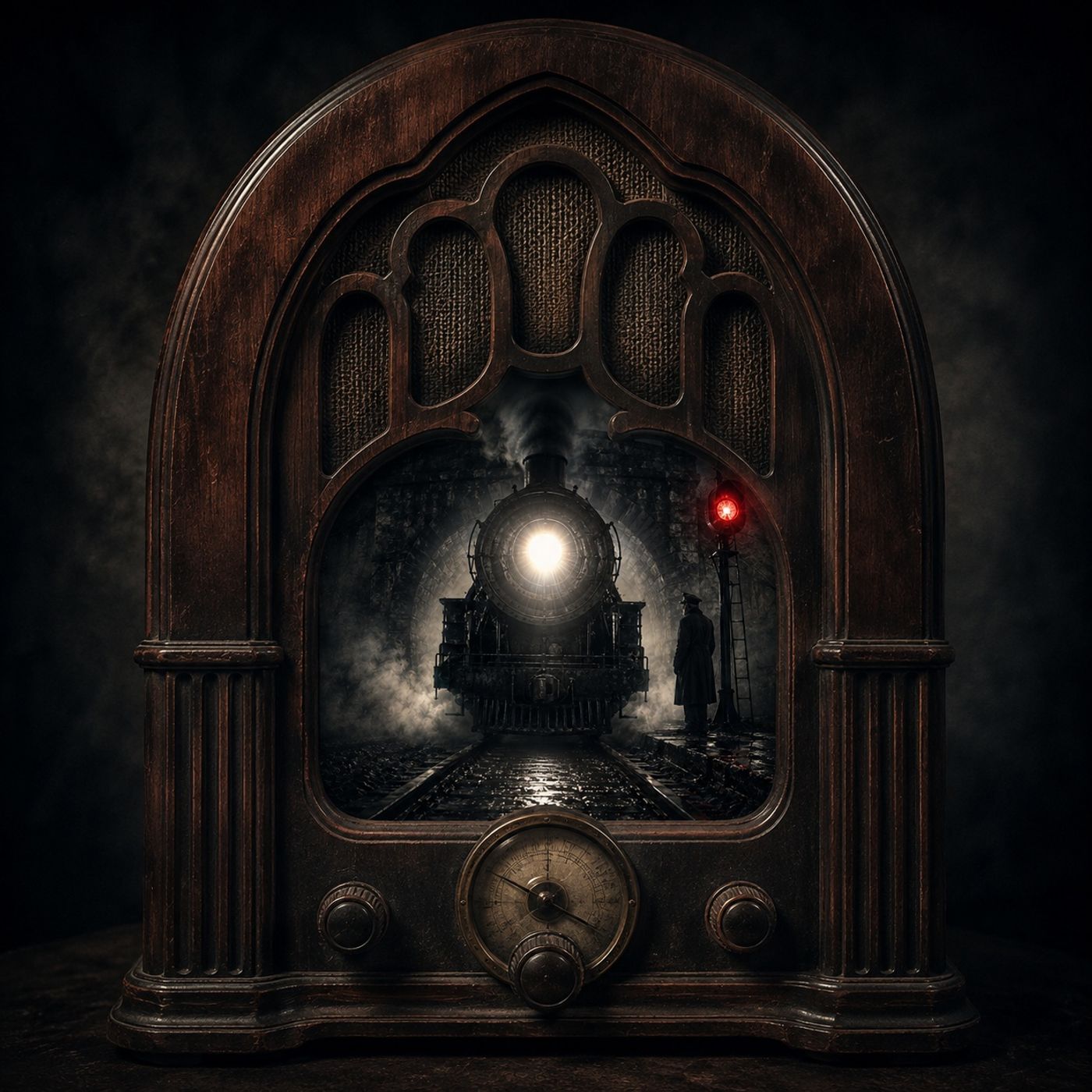
Why Old-Time Radio Railroad Horrors Still Terrify Us
Old-time radio railroad horrors leverage the claustrophobic atmosphere of vintage locomotives and forgotten rural depots to generate deep psychological dread. By examining classic audio dramas, listeners can uncover why steam trains and lonely tracks remain enduring motifs for suspense and supernatural storytelling.
Key Takeaways
- Trains in classic radio horror symbolize an inescapable path toward a predetermined, often terrifying destination.
- The closure of rural stations like Dandridge creates instant isolation, leaving characters cut off from modern help.
- Audio-only storytelling relies on ambient sounds like chugging engines and echoing whistles to manufacture intense psychological dread.
- Familiar settings transformed by supernatural or sinister elements heighten the uncanny valley effect in horror narratives.
The Psychology of Locomotive Confinement
There is a unique brand of anxiety that comes with traveling by rail. Unlike an automobile where you can pull over to the side of the road, a passenger on a train is entirely at the mercy of the schedule, the engineer, and the tracks laid out before them. Golden age radio dramas frequently tapped into this lack of agency. When you board an express train or a local commuter car, you surrender control.
In vintage mystery broadcasts, this physical confinement mirrors emotional entrapment. Characters are physically sealed inside metal compartments and wooden passenger cars, hurtling through the dark night at high speeds. This setup strips away modern safety nets. If a sinister stranger boards your compartment—as seen in classic Balkan railway intrigues—or if the station master notes that your train is arriving at an hour that defies the timetable, you have nowhere to run.
The Liminal Space of the Railway Station
Beyond the train cars themselves, the physical station serves as a powerful liminal space in horror fiction. Rural depots that have been removed from modern schedules transform overnight from bustling community hubs into eerie monuments of neglect. When a station like Dandridge loses its last remaining commuter trains, the environment shifts from a place of connection to a symbol of abandonment.
Station masters who cling to old railway guides and empty platforms embody a tragic nostalgia. They watch the world pass them by on a schedule that no longer exists. This temporal displacement—where old routines clash with modern decay—creates fertile ground for the supernatural. When ghostly warnings arrive or mysterious travelers step off trains that supposedly bypassed the town, the boundary between the living past and the eerie present dissolves completely.
How Audio Engineering Builds Suspense
Radio drama relies entirely on sound design to construct its terrifying worlds, and railways offer an acoustic landscape tailor-made for terror. The rhythmic clack-clack of steel wheels against iron rails establishes an inescapable pacing. It forces the listener's heart rate to sync with the movement of the machine.
Consider the deliberate use of auditory cues in vintage horror productions:
- The Distant Whistle: A mournful sound cutting through a foggy night that signals isolation and impending danger.
- Hissing Steam: Mimics the breathing of a living beast, giving the locomotive an organic, predatory presence.
- Empty Corridors: The hollow echo of footsteps down a swaying passenger car that builds anticipation for an unwanted encounter.
These elements combine to prove that what you cannot see is often far more frightening than what is shown on screen. The theater of the mind allows listeners to fill in the dark corners of empty compartments with their own deepest fears.
Conclusion
The allure of old-time radio railroad mysteries lies in their ability to turn everyday travel into a psychological nightmare. Whether through the tragedy of a forgotten rural stop or the creeping dread of an uninvited passenger, these vintage stories remind us that the journey can be far more dangerous than the destination. To experience these spine-tingling audio tales for yourself, be sure to Listen to the full episode and subscribe to Weekly Spooky for your weekly dose of terror.
Frequently Asked Questions
What makes trains a popular setting for horror and mystery stories?
Trains provide a confined space, a lack of escape routes, and a forced proximity among strangers, making them ideal for tension and locked-room mysteries.
How did classic radio shows like CBS Radio Mystery Theater use sound effects for horror?
Productions used rhythmic train tracks, steam hisses, and lonely whistles to pace the narrative and stimulate the listener's imagination, bypassing the need for visual effects.
Why are forgotten railway stations featured so often in spooky audio dramas?
Abandoned or ghost stations represent a liminal space where the normal rules of time and geography no longer apply, amplifying feelings of isolation and vulnerability.
What is the psychological impact of a timetable in horror fiction?
Timetables represent strict predictability and order. When a train arrives outside of schedule—or fails to stop when expected—it disrupts reality and signals impending doom.