Low-Budget Horror Economics: How Cabin-in-the-Woods Indie Films Stretch Their Budgets
Low-budget horror economics dictate that filmmakers must maximize tension while minimizing locations, equipment movement, and crew overhead. By focusing on confined indoor spaces like a single living room and utilizing dialogue-driven screenwriting, independent horror productions can deliver shocking practical effects and wild narratives without needing massive studio backing.
Key Takeaways
- Indie horror filmmakers often rely on a single primary location, such as a rural cabin, to drastically reduce production and equipment hauling costs.
- Dialogue-heavy scenes in confined spaces, like living rooms, allow productions to save money on complex lighting setups and stunt coordination.
- Smart screenwriting uses character interaction and rising tension to mask the financial limitations of lower-budget filmmaking.
- Understanding low-budget horror economics reveals why many splatter films spend significant runtime on character debates rather than continuous action.
The Economics of Confinement in Indie Horror
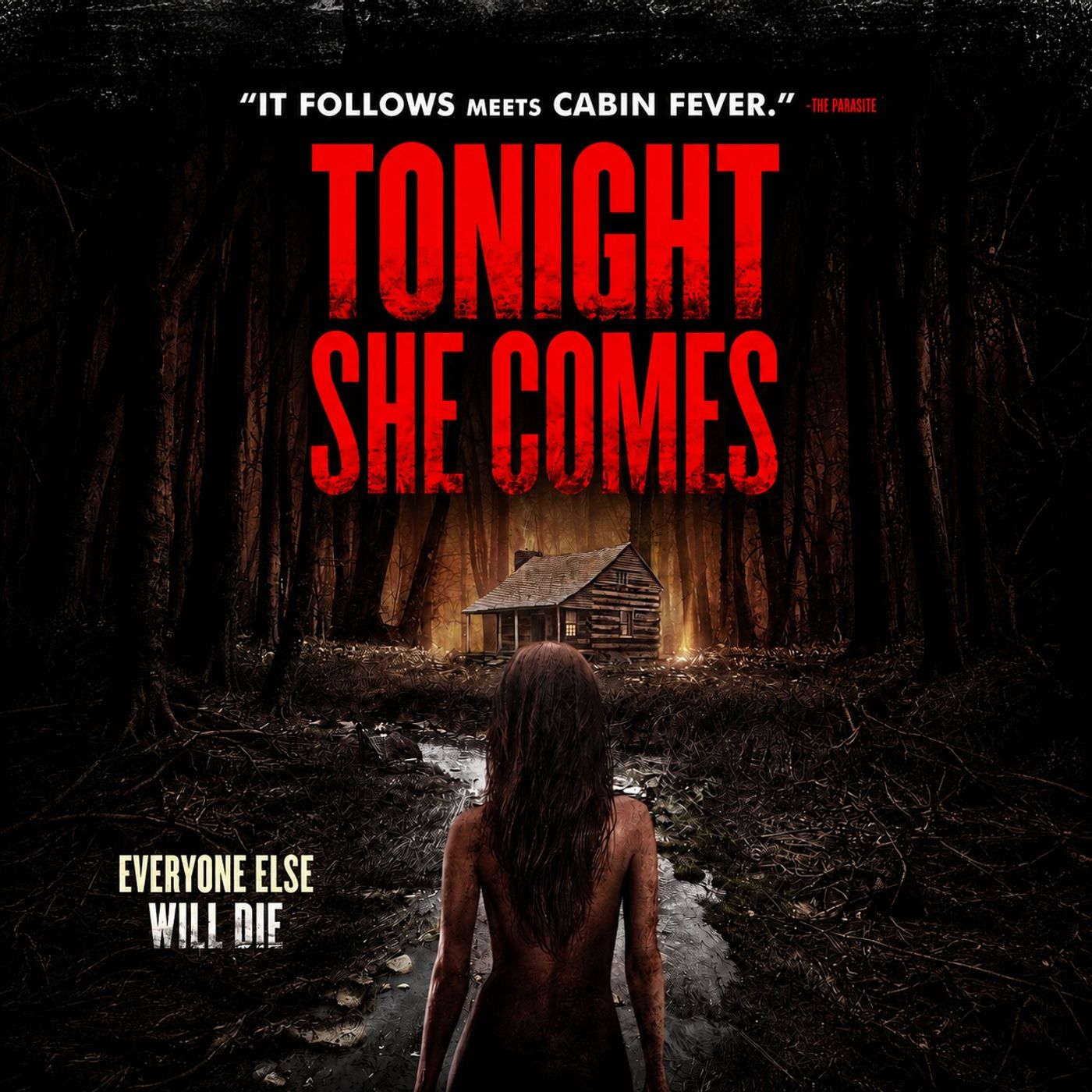
When you sit down to watch a wild, unpredictable independent horror film like Tonight She Comes, the sheer visual chaos might make you assume a sprawling budget was at play. Between the glowing blood runes, occult resurrection rituals, and relentless practical splatter effects, it is easy to miss the underlying financial strategy holding the production together. The dirty little secret of independent horror filmmaking is that you cannot afford to keep your characters moving all the time.
Moving a film crew from location to location is one of the most expensive parts of making a movie. Permits, transport trucks, parking, generator rentals, and company moves drain precious resources within the first few days of production. That is why the classic cabin-in-the-woods setup is not just a tired horror cliché—it is a brilliant financial lifeline. By trapping characters in a single remote location, indie productions instantly slash their logistical overhead. The woods provide exterior atmosphere for free, and a single rustic interior serves as the primary stage for ninety percent of the dramatic tension.
Why Living Room Conversations Save Movies
If you analyze the runtime of almost any low-budget genre film, you will notice a distinct pattern: characters spend a remarkable amount of time sitting around a living room, kitchen table, or basement arguing with one another. To the casual viewer, this might feel like filler used to pad out the runtime. In reality, these dialogue-heavy sequences are the financial engine that makes the movie possible.
Lighting a moving camera shot across a sprawling forest at night requires massive, expensive generator packages and skilled rigging crews. Conversely, lighting a static living room requires far less equipment and fewer technicians. Directors can set up their shots quickly, manage dialogue delivery with fewer takes, and preserve their daily budget for the moments that truly matter. When a film needs to spend thousands of dollars on fake blood, prop chalices, and practical body horror, those savings in the living room are essential.
Smart Writing as a Budget Workaround
Writing incompetent or deliberately foolish slasher characters is often criticized as lazy writing, but in the realm of independent horror, it is frequently a calculated narrative choice. When characters make bizarre, irrational decisions—like refusing to leave a dangerous property or misunderstanding local geography—they naturally extend the length of their confinement in that single location.
Instead of requiring complex action sequences where characters flee across state lines or barricade an entire multi-story facility, a writer can keep the cast trapped in a tense domestic standoff. The friction comes from their conflicting personalities, bad decisions, and growing paranoia. This approach turns a tight budget into a creative advantage, forcing the audience to focus on psychological friction and escalating absurdity rather than slick, high-gloss cinematography.
Balancing Chaos and Cost on Set
Even the most dialogue-heavy indie horror films eventually have to deliver the goods. Fans do not rent a supernatural splatter movie to watch people talk in a living room for eighty minutes; they want unhinged practical effects, gross-out humor, and unforgettable gore. Managing this balance requires strict financial discipline during the early days of a shoot so that the production team can splurge on the explosive finale.
Practical body horror is notoriously messy and unforgiving. If a blood squib fails or a prop organ looks unconvincing on the first take, resetting the shot requires extensive cleanup, fresh wardrobe, and precious time. By saving the bulk of their shooting schedule for controlled indoor environments, indie directors give their special effects teams the runway they need to execute complicated practical gags safely. The chaotic energy of the final act feels earned because the production conserved its energy and capital during the quiet, talkative middle stretches of the film.
Conclusion
Examining the financial and logistical realities behind independent horror gives us a whole new appreciation for the genre's most extreme entries. What looks like sheer madness on screen is often the result of clever budgeting, disciplined location choices, and smart screenwriting that turns financial constraints into creative wins. If you want to hear a deeper discussion about outrageous indie horror, bizarre occult rituals, and the unforgettable moments that make these films legendary, be sure to check out the podcast. Listen to the full episode and dive into the terrifying world of Weekly Spooky for your weekly fix of terror tales!
Frequently Asked Questions
Why do so many indie horror films take place in cabins?
Cabins in the woods provide a single, isolated location that dramatically cuts down on location fees, travel expenses, and crew logistics while instantly establishing a tense atmosphere.
How do low-budget horror movies afford special effects?
Filmmakers often allocate a disproportionate amount of their limited budget to practical gore effects for key scenes, while saving money on everything else by utilizing dialogue-heavy, single-room setups.
Does a dialogue-heavy script hurt an indie horror movie?
Not necessarily; smart directors use confined conversations to build psychological tension and develop characters, which keeps production costs low while maintaining viewer engagement.
What is a mockbuster and how did it affect indie horror?
Mockbusters are low-budget films produced to capitalize on the title and premise of major Hollywood blockbusters, helping independent studios secure early distribution and fund future original projects.