The 'Angel of Death' Killer: Decoding the Motivations Behind Serial Killers
Delve into the chilling mind of the 'Angel of Death,' a serial killer whose actions are driven by a twisted sense of justice. This post dissects the specific psychological drivers and belief systems that fuel such terrifyingly calculated killers, separating them from more impulsive murderers.
Key Takeaways
- Serial killers like the 'Angel of Death' often develop elaborate personal philosophies to justify their violent actions.
- These 'Angel of Death' motivations frequently stem from a perceived moral failing in society or the justice system.
- A profound sense of self-righteousness allows these killers to see themselves as agents of good, not evil.
- Understanding these specific motivations can offer insight into the darker aspects of human psychology and the nature of evil.
- The detachment from conventional morality is a hallmark of killers who believe they are carrying out a higher purpose.
The Genesis of a Moral Crusade
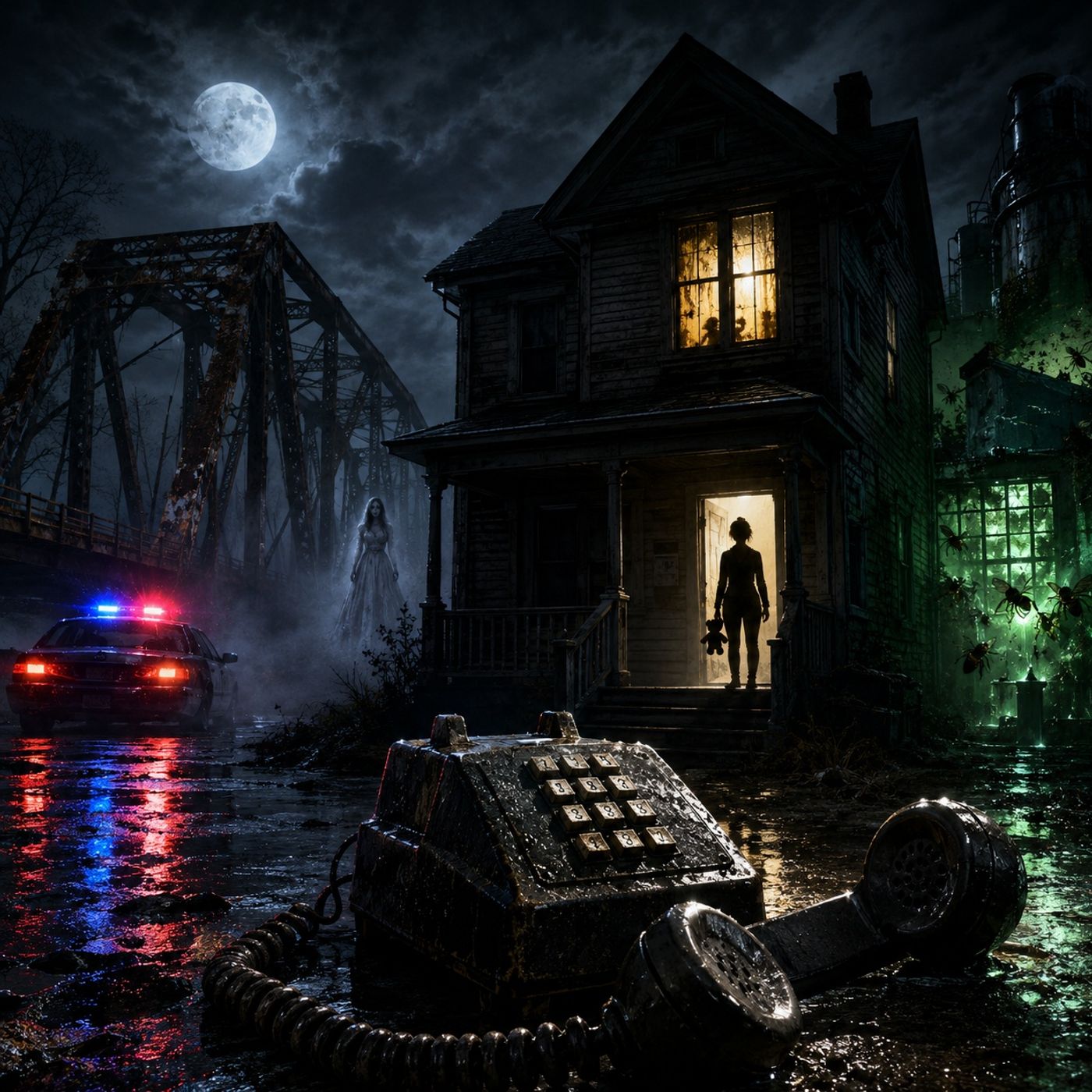
Within the unsettling landscape of serial killer narratives, figures like the 'Angel of Death' occupy a particularly disturbing niche. Unlike killers driven by impulse, sexual sadism, or sheer opportunism, the 'Angel of Death' archetype operates with a self-constructed moral compass. Their actions, while undeniably horrific, are framed within a rationale that, to them, imbues their violence with purpose. This is not about random acts of terror; it's about a perceived mission, a crusade against perceived evils that society has failed to address. The very moniker 'Angel of Death' suggests a belief in a purifying or judgmental role, a divine mandate to deliver a final sentence. This narrative often forms the bedrock of their identity, allowing them to compartmentalize their atrocities and maintain a facade of control, even as they descend into unimaginable brutality. The key to understanding such individuals lies not in empathizing with their crimes, but in dissecting the warped logic that underpins their terrifying worldview. The podcast episode, "Babysitter Horror Stories: Serial Killers, Urban Legends, Mad Scientists & Cry Baby Bridge," touches upon the varied motivations behind such characters, but the 'Angel of Death' presents a specific, chilling case study in self-appointed justice.
Deconstructing the 'Angel of Death' Mentality
The psychological underpinnings of an 'Angel of Death' serial killer are distinct and complex. Their motivations are rarely rooted in simple rage or lust; instead, they are often born from a deep-seated disillusionment with the existing social order. They see themselves as correcting egregious wrongs, acting as a judge, jury, and executioner for individuals or situations they deem beyond redemption. This can manifest as targeting those who have escaped legal consequences for heinous crimes, or those who represent a perceived moral decay within society. The 'Angel of Death' serial killer often possesses an elevated sense of self-importance, believing they have a unique insight or a higher calling that transcends normal human morality. This conviction allows them to execute their plans with chilling precision and a profound lack of empathy. They may engage in elaborate rituals or displays that reinforce their perceived divine or righteous purpose, viewing their victims not as individuals, but as symbolic representations of the societal ills they are combating. This detached, ideological approach to murder is what makes them particularly frightening – their violence is not a byproduct of their existence, but the very purpose of it, carefully planned and executed to fit their grand, albeit terrifying, narrative.
The Role of Perceived Injustice
A critical component in understanding the motivations of an 'Angel of Death' serial killer is the concept of perceived injustice. These individuals often feel that the established systems—be it legal, social, or moral—have failed miserably. They witness or experience what they interpret as profound wrongs, and when they see no accountability or correction through conventional means, they create their own. This can stem from personal trauma, a profound sense of victimhood that they then project onto a wider societal scale, or simply a deeply ingrained belief that the world is fundamentally unfair and requires forceful intervention. The 'Angel of Death' serial killer doesn't see themselves as a perpetrator of evil; they see themselves as an agent of cosmic balance, a necessary evil to combat a greater evil. Their victims are not chosen arbitrarily; they are symbolic targets, representing the flaws or corruptions that the killer feels compelled to eradicate. This perceived injustice fuels their sense of righteous anger and provides a seemingly irrefutable justification for their escalating violence. It's a dangerous feedback loop where their interpretation of reality dictates their actions, leading them down a path of destruction under the guise of a moral crusade.
The Psychology of Detached Execution
The ability of an 'Angel of Death' serial killer to commit horrific acts with such apparent conviction and lack of remorse points to a profound psychological detachment. This detachment is not necessarily a sign of mental illness in the traditional sense, but rather a sophisticated mechanism that allows them to disassociate their violent actions from their perceived identity as a righteous punisher. They may employ cognitive distortions, such as minimizing the humanity of their victims, dehumanizing them to make them seem less worthy of life, or rationalizing their actions as necessary sacrifices for a greater good. This detachment enables them to plan and execute their killings with the cold, calculated efficiency of a surgeon. They are not overwhelmed by emotion; they are driven by a conviction that their mission is paramount. This psychological armor protects them from the guilt and horror that would incapacize most individuals, allowing them to continue their reign of terror. Understanding this detachment is crucial for grasping how a person can become so distanced from societal norms and human empathy that they can rationalize murder as a form of justice.
Beyond Vigilantism into Terror
While the motivations of an 'Angel of Death' killer might initially be framed as a warped form of vigilantism, their actions invariably spiral into pure terror. The line between delivering 'justice' and inflicting fear is a fine one, and serial killers who adopt such personas often cross it without hesitation. Their killings become less about rectifying specific wrongs and more about reinforcing their power and control, and instilling a pervasive sense of dread. The 'Angel of Death' moniker itself is designed to evoke fear, to suggest an unstoppable, almost supernatural force that is delivering judgment. This creates an atmosphere of terror that extends far beyond the immediate victims. Society itself becomes the target of their psychological warfare, as the fear of becoming the next victim, or of a flawed justice system, takes hold. The podcast episode "Babysitter Horror Stories: Serial Killers, Urban Legends, Mad Scientists & Cry Baby Bridge" explores various forms of horror, and the 'Angel of Death' serial killer embodies a particularly insidious form—one where the perpetrator believes they are a force for good, making their capacity for pure, unadulterated terror all the more chilling. Their actions are not aberrations; they are the intended consequence of a belief system that has become untethered from reality.
For more terrifying insights into the minds of killers and the chilling stories that explore the darkest corners of human nature, tune into the latest episode of Weekly Spooky. Listen Now.
Frequently Asked Questions
Q: What distinguishes an 'Angel of Death' serial killer from other types of murderers?
A: 'Angel of Death' serial killers are characterized by their belief that they are acting out of a sense of moral duty or divine purpose, targeting individuals or situations they deem corrupt or unjust. Their actions are driven by a self-constructed ideology rather than random impulse or personal gain.
Q: How do these killers justify their actions?
A: They justify their actions by developing elaborate rationalizations that frame their violence as a necessary form of justice or societal correction. They often see themselves as agents of a higher power or as rectifying failures within the existing legal and moral systems.
Q: Is there a psychological disorder commonly associated with the 'Angel of Death' killer?
A: While not a specific diagnosis, traits associated with psychopathy, narcissism, and a profound sense of entitlement are often observed. The key is their ability to maintain a belief in their own righteousness despite committing heinous acts, indicating a significant detachment from conventional morality.
Q: Can understanding these motivations prevent future crimes?
A: While understanding motivations offers insight into criminal psychology and helps law enforcement profiles, it's a complex issue. The goal is often to identify patterns and warning signs, but the deeply personal and often secretive nature of these belief systems makes prevention a significant challenge.
Q: How does the 'Angel of Death' mentality contribute to terror beyond the killings themselves?
A: The 'Angel of Death' persona is designed to instill fear and a sense of helplessness. By presenting themselves as agents of an inevitable, righteous judgment, they create widespread anxiety and highlight perceived societal vulnerabilities, extending their terror beyond their immediate victims.