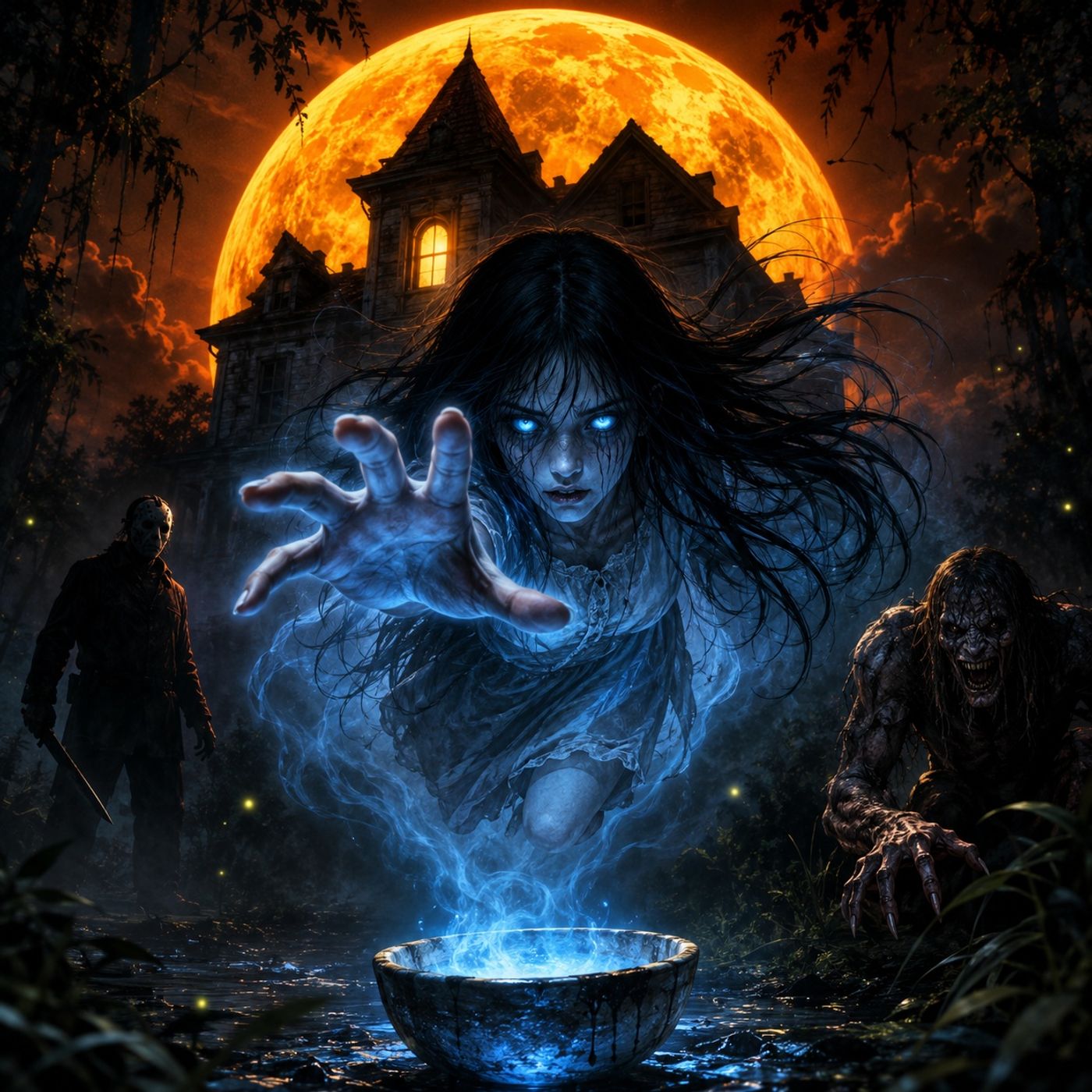
Why Writing Horror Fiction Based in Ohio Small Towns Works
When crafting terrifying horror fiction, setting plays just as vital a role as the monster or ghost itself. While urban legends and deep-woods slashers have their place, setting chilling tales in unassuming Midwest small towns adds an extra layer of dread. By contrasting the mundane routines of everyday life with ancient, restless spirits and dark local secrets, writers build a deeply immersive atmosphere that lingers long after the final page.
Key Takeaways
- Small-town settings provide a false sense of security that makes supernatural incursions feel much more jarring.
- Familiar Midwest locations like diners, abandoned estates, and neighborhood streets ground terrifying fiction in reality.
- Local folklore and generational secrets offer endless fuel for ghost stories and haunted house narratives.
- Character dynamics benefit from tight-knit communities where everyone knows your business and your past mistakes.
- Authors like Rob Fields use ordinary midwestern geography to craft memorable, immersive horror experiences.
The Power of the Mundane in Horror
There is a distinct psychological shift that occurs when horror invades a seemingly safe, ordinary environment. In major metropolitan horror settings, danger is often anticipated; city dwellers are accustomed to locking doors, avoiding dark alleys, and maintaining a healthy dose of urban paranoia. However, in small communities where everyone leaves their back doors unlocked and kids walk home safely under streetlights, the sudden emergence of the paranormal shatters that foundational sense of security.
When characters are navigating first dates at local diners, grabbing a soda after school, or hanging out at neighborhood gathering spots, the introduction of a floating ghost child or a sealed-off basement containing centuries-old skeletons feels all the more shocking. The contrast between strawberry sundaes and grim historical tragedies creates a narrative whiplash that heightens every scare. Readers connect with these ordinary milestones—like asking your longtime polar-opposite crush out on a nervous first date—making the subsequent descent into haunted-house terror feel intensely personal.
How Small Towns Amplify Isolation
Paradoxically, a town where everyone knows your name can also feel profoundly isolating when things go wrong. In tight-knit fictional locales like Strickfield, personal history matters. Social hierarchies formed in junior high school, family scandals, and neighborhood gossip follow characters wherever they go. When a teenager experiences a public fallout or a dramatic change in living arrangements, the whole town takes notice.
This insular environment means that when the supernatural strikes, help is rarely just around the corner in the way people expect. Cell phones lose signals, traditional authority figures are absent, and characters must rely entirely on each other. The bond forged between two teenagers facing down an abandoned, century-old estate carries genuine weight because their shared trauma cuts through years of teenage posturing and mutual avoidance.
Historical Baggage and Generational Ghosts
Small-town settings inherently carry a heavy sense of history. Older homes, sprawling abandoned mansions, and decaying local estates serve as physical reminders of a town's murky past. Unlike sprawling modern cities where old architecture is constantly bulldozed for new high-rises, small towns often preserve their decaying historical landmarks right at the edge of the neighborhood.
This proximity to the past makes haunted history feel immediate and tangible. When local architecture hides decades or centuries of unresolved trauma—such as families sealed behind brick walls by brutal robbers—the past is never truly dead. It sits behind iron fences and shuttered windows, waiting for curious teenagers or unsuspecting locals to wander close enough to demand a reckoning. The environment acts as an active participant in the story, holding onto grudges that outlive generations.
Conclusion
Setting horror fiction in realistic, grounded small-town environments allows writers to ground supernatural terror in authentic human experiences. From navigating the terrifying social landscape of a first date to uncovering historical atrocities hidden in plain sight, these narratives prove that the scariest things aren't always hiding in deep, uncharted wilderness—sometimes they are waiting right down the street. To hear masterfully crafted tales featuring these exact chilling dynamics, Listen to the full episode and dive into a world where everyday Midwest life collides with the paranormal.
Frequently Asked Questions
What makes Ohio a popular setting for horror stories?
Ohio combines vast rural isolation, decaying industrial history, and ordinary suburban neighborhoods, offering a diverse and atmospheric backdrop for both supernatural and psychological horror.
Are places like Strickfield real towns?
Strickfield is a fictional town utilized in horror anthologies, though it captures the authentic vibe of Midwestern small towns across the region.
Why use ordinary locations instead of isolated cabins for horror?
Setting horror in everyday places like local malls, high schools, and neighborhood homes makes the terror feel closer to home, tapping into the fear that the supernatural can breach our normal routines.
How do small-town rumors impact horror storytelling?
Tight-knit community gossip amplifies social pressures for characters, making personal scandals feel monumental while masking darker, hidden secrets lurking just beyond the edge of town.