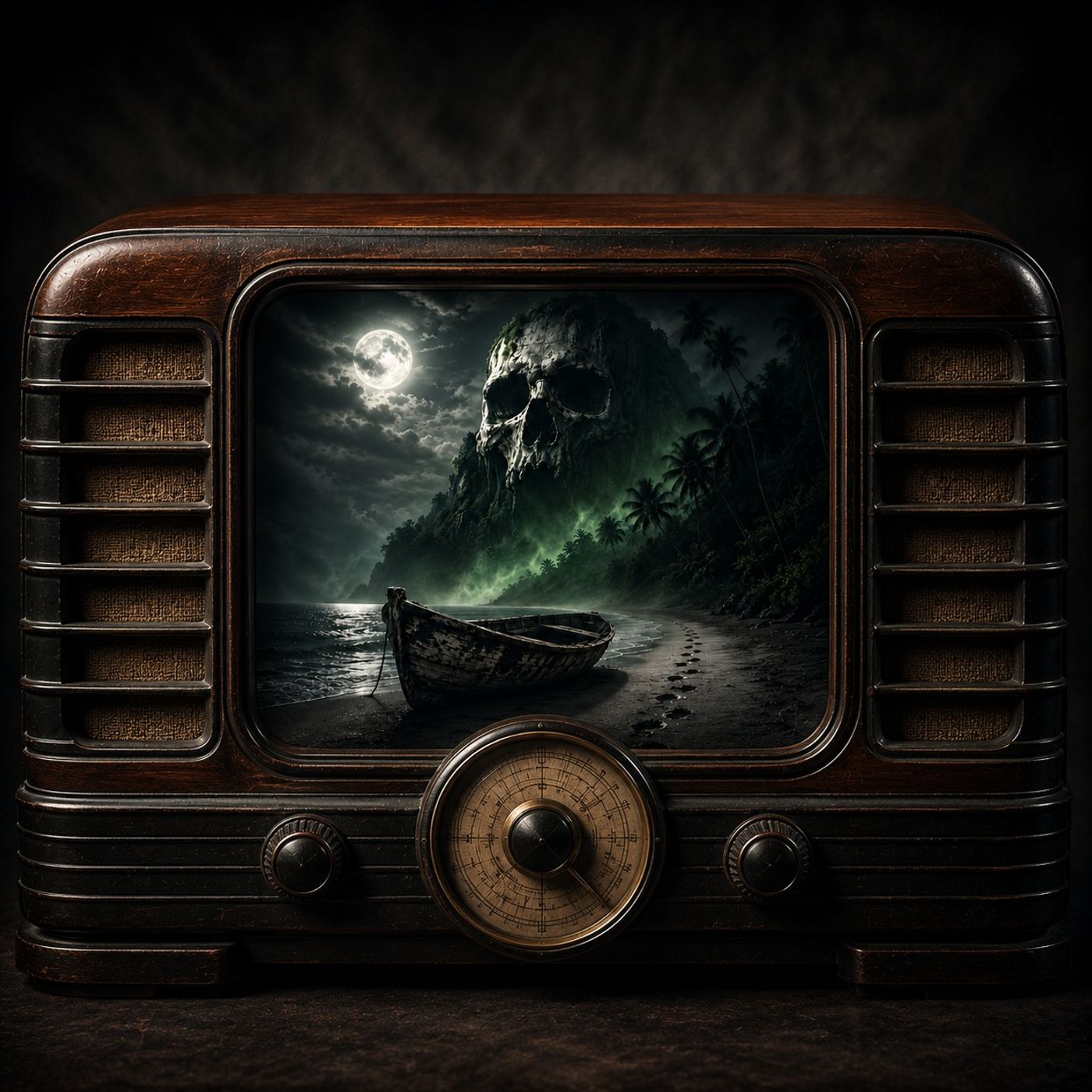
Classic OTR Mystery Adaptation: How Old-Time Radio Transformed Robert Louis Stevenson
Discover how classic old-time radio (OTR) anthology series like CBS Radio Mystery Theater successfully adapted Robert Louis Stevenson's darker, lesser-known Pacific tales. This deep-dive examines the atmospheric audio techniques, script condensation, and voice-acting choices that turned prose into gripping suspense dramas.
Key Takeaways
- CBS Radio Mystery Theater bridged literary classics with late-night suspense broadcasting.
- Adapting Stevenson required compressing sprawling colonial narratives into punchy 45-minute audio plays.
- Voice talent like Alexander Scourby brought psychological depth and moral ambiguity to complex characters like Sam Wiltshire.
- Sound design and pacing substituted for visual scenery, relying on listener imagination to conjure tropical dread.
The Art of OTR Adaptation
When classic anthology programs brought literary works to the airwaves, writers faced a formidable challenge. Translating a dense piece of nineteenth-century fiction into an old-time radio broadcast meant stripping away exposition while preserving atmospheric tension. For Stevenson's dark Pacific stories, this transition was surprisingly natural. The isolation of island settings mirrored the intimate, shadowy nature of radio listening, where every creak and whisper resonated in the dark.
Writers like Ian Martin understood that radio audiences craved immediacy. Instead of lengthy descriptions of colonial trade routes and tropical flora, adaptations relied on sharp dialogue and immediate conflict. The listener is dropped straight into the action, smelling the brine and hearing the ominous warnings of cynical sea captains before a single foot touches the sand.
Translating Prose to Audio Scripts
The mechanics of scriptwriting for shows like CBS Radio Mystery Theater demanded ruthless efficiency. Narrative descriptions became internal monologues or conversational prompts. In adaptations of stories featuring complex power dynamics—such as the uneasy alliances between traders, corrupt figures, and indigenous populations—audio cues became essential storytelling tools.
Sound effects were not merely background noise; they functioned as punctuation marks for dread. A sudden gust of wind, the rhythmic lapping of waves, or the sharp crack of a distant door created an immersive environment that printed pictures in the listener's mind far more effectively than any narrator could describe.
Voice Acting and Moral Ambiguity
Robert Louis Stevenson never dealt exclusively in clean-cut heroes and villains. His characters inhabited morally grey spaces, driven by desperation, greed, or a longing for escape. Bringing these figures to life on the radio required elite voice talent capable of conveying inner turmoil through vocal inflections alone.
Actors such as Alexander Scourby lent a gravitas to these productions that elevated them above mere pulp horror. When a protagonist justified a compromised situation or rationalized a dangerous marriage of convenience, the listener could hear the internal friction in their voice. The performances forced audiences to empathize with flawed men making disastrous choices under a relentless tropical sun.
Portraying Complex Antagonists
The success of these radio adaptations often rested on the villains. Characters who combined high-society polish with ruthless cunning created a chilling juxtaposition against the primitive backdrop of remote atolls. Voice actors used polite cadence, soft tones, and casual cruelty to signal a threat far more terrifying than any overt monster, anchoring the horror in human malice.
Conclusion and Further Listening
The intersection of classic literature and vintage broadcast history offers a fascinating glimpse into mid-century entertainment. By transforming literary horror into an auditory experience, old-time radio kept classic tales vital, terrifying, and deeply intimate for millions of listeners tuning in beneath the glow of a vacuum-tube dial.
To experience these chilling radio broadcasts firsthand, Listen to the full episode and immerse yourself in a world where every boat seems pointed the wrong way and the shadows on the beach conceal secrets you were never meant to uncover. Subscribe to Weekly Spooky for your weekly dose of terror tales!
Frequently Asked Questions
What made Robert Louis Stevenson's island stories ideal for radio?
Stevenson's Pacific tales rely heavily on atmospheric isolation, moral tension, and auditory cues like wind, surf, and native dialogue, making them a natural fit for suspenseful audio drama.
How did CBS Radio Mystery Theater adapt novels into short broadcasts?
Writers condensed sprawling plots by focusing on core interpersonal conflicts, utilizing tight dialogue, and replacing long descriptive passages with immersive sound effects.
Why were voice actors so crucial to OTR suspense?
Without visual aids, veteran voice actors had to convey complex psychological states, moral ambiguity, and underlying menace entirely through vocal tone, pacing, and delivery.